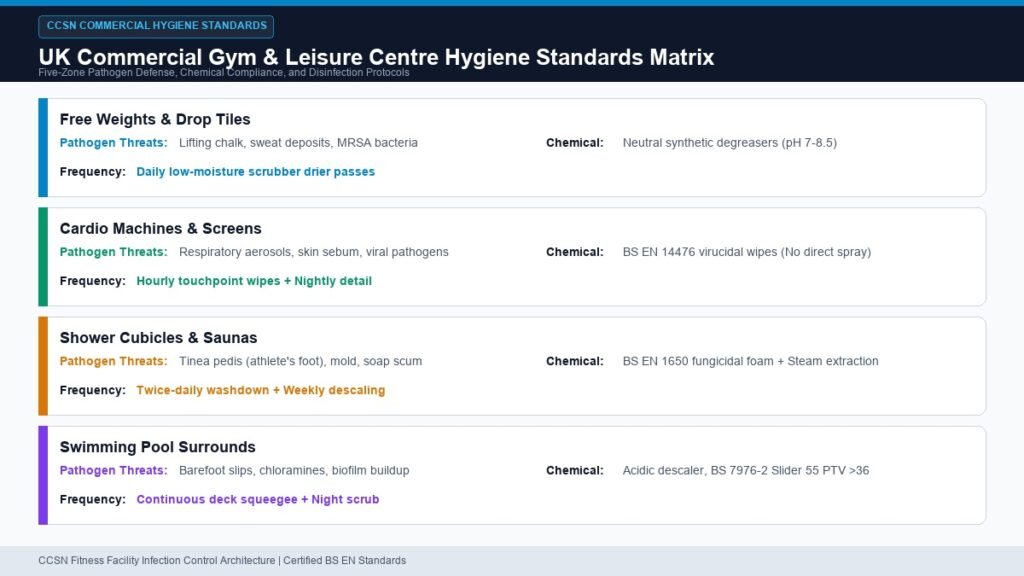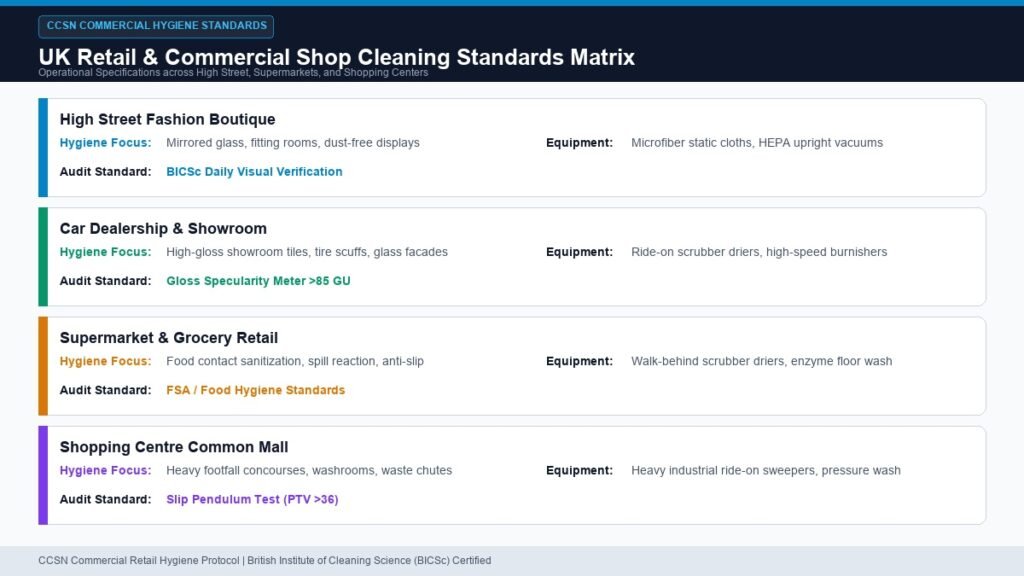

1. Executive Summary: The Communal Block Living Standard in the UK
In multi-occupancy residential developments, converted Victorian townhouses, modern apartment blocks, and build-to-rent complexes across the United Kingdom, communal areas represent the shared social and physical approach to private homes. Shared entrance lobbies, internal staircases, carpeted corridors, passenger lifts, and external bin stores experience relentless daily footfall. Residents, visitors, postal couriers, and delivery drivers continuously transport exterior mud, road grime, rainwater, and biological residues into communal hallways. Without disciplined, contracted maintenance, these shared corridors deteriorate rapidly, accumulating scuffed walls, stained carpets, grimy banisters, unpleasant waste odours, and hazardous clutter.
For UK residential property management companies, block managing agents, Right to Manage (RTM) company directors, and private freeholders, communal area cleanliness directly influences resident retention, property capital valuations, leaseholder dispute frequencies, and statutory fire safety compliance. Neglected communal areas generate immediate complaints, undermine service charge recovery rates, and attract scrutiny from local authorities and fire brigades enforcing the Regulatory Reform (Fire Safety) Order 2005.
Specialised commercial communal area cleaning services in the UK provide reliable, scheduled janitorial routines designed specifically for managed residential estates. Operating through mobile cleaning crews equipped with commercial-grade portable extraction machinery, certified non-toxic cleaning agents, and digital tracking technologies, professional block cleaners keep residential developments pristine, welcoming, and fully compliant with British health and safety standards. This definitive commercial guide examines service level agreement architectures, statutory fire and slip safety mandates, lift car detailing, bin store decontamination, contract pricing models, and operational checklists tailored for UK property managers.

Figure 1: Pristine residential apartment entrance foyer featuring polished flooring, spotless glazing, and architectural cleanliness.
2. Statutory Landlord Obligations: Fire Safety Order 2005 & HSE Compliance
Communal cleaning in multi-unit buildings is intrinsically linked to legal landlord liability and statutory building safety. Property managers and RTM directors must navigate strict regulations governing fire escape routes, trip hazards, and common area risks.
A. The Regulatory Reform (Fire Safety) Order 2005
Under the Fire Safety Order 2005 and the Fire Safety (England) Regulations 2022, communal stairwells, landings, and entrance lobbies function as primary emergency evacuation routes. The Responsible Person (the freeholder, managing agent, or RTM board) holds a legal obligation to ensure that common escape paths remain completely free from combustible materials and physical obstructions at all times.
- Zero Tolerance for Corridor Clutter: Cleaning operatives act as frontline risk auditors. Professional cleaners systematically clear or report resident items left in shared corridors, such as pushchairs, bicycles, doormats, discarded furniture, and cardboard recycling boxes that impede emergency evacuation routes or fuel smoke production during fire incidents.
- Intumescent Fire Door Seals: Fire doors separating stairwells from floor corridors rely on intumescent perimeter seals that expand under heat. Cleaners must wipe door frames using non-abrasive damp microfibres without damaging these critical life-safety seals, while checking that hydraulic overhead door closers pull doors fully flush into their rebates.
- Emergency Lighting and Exit Signage: Ceiling-mounted emergency light fittings, directional illuminated exit boxes, and photoluminescent stair tread nosings must be dusted regularly to ensure full visibility during power failure or smoke logging.
B. Health and Safety Executive (HSE) Slip and Fall Prevention
Staircases and entrance lobbies represent major public liability injury hotspots. Under the Health and Safety at Work etc. Act 1974 and the Occupiers’ Liability Act 1957, freeholders are liable for personal injury claims resulting from slippery floor surfaces. Communal cleaning regimes must incorporate:
- Prominent Wet Floor Warning Signage: Free-standing A-frame warning signs must be erected at building entrances and stair heads during and immediately following hard-floor cleaning operations.
- Rapid-Dry Micro-Mopping: Utilizing flat microfibre mop systems with controlled dampness rather than saturated Kentucky yarn mops, reducing floor drying times from 25 minutes down to under 3 minutes.
- Pendulum Test Slip Resistance Monitoring: Ensuring that hard flooring (such as polished granite, terrazzo, or safety vinyl) maintains a minimum Pendulum Test Value (PTV) of 36 or higher in wet conditions under BS 7976-2 standards.
| Statutory Mandate | Regulatory Authority | Communal Area Cleaning Focus | Liability Risk for Non-Compliance |
|---|---|---|---|
| Fire Safety Order 2005 | Local Fire & Rescue Authorities | Obstacle-free stairwells, unblocked fire exits, door seal checks | Unlimited corporate fines, criminal prosecution, prohibition notices |
| Occupiers’ Liability Act 1957 | Civil Courts / HSE | Slip prevention, wet floor sign deployment, entrance mat care | Substantial personal injury payouts, escalating insurance premiums |
| Environmental Protection Act 1990 | Local Municipal Council (EHO) | Bin store sanitisation, fly-tipping removal, odour control | Statutory nuisance abatement notices, council fly-tipping penalties |
| COSHH Regulations 2002 | HSE Inspectorate | Chemical safety, safe on-site storage, resident non-toxicity | Improvement notices, respiratory hazard claims from residents |

Figure 2: Multi-story residential block interior corridor maintenance ensuring clean skirting, debris-free floors, and pristine landings.
3. The 5-Stage Top-to-Bottom Communal Cleaning Methodology
Professional block cleaners adhere to a disciplined top-to-bottom directional workflow. Gravity dictates that dust, cobwebs, and particulate matter dislodged from upper levels settle downward. Starting on the ground floor results in re-soiling cleaned areas when upper landings are tackled.
A. Stage 1: Top-Floor High-Level Dusting and Cobwebbing
Cleaning operatives ascend directly to the topmost floor of the building. Using telescopic carbon-fibre dusting poles with curved electrostatic microfibre heads, operatives dust ceiling cornices, light diffusers, smoke alarm casings, and high-level window ledges. All dislodged dust falls onto upper landing floors before floor cleaning commences.
B. Stage 2: Stairway Handrail & Balustrade Sanitisation
Staircase banisters, timber handrails, and metal balustrades represent continuous resident touchpoints. Pathogens, skin oils, and grease transfer from hands onto handrail surfaces daily. Operatives wipe every linear metre of handrail using hospital-grade antimicrobial detergent certified to BS EN 1276. In addition, communal window sills, electrical conduit casings, and wall-mounted radiator covers are thoroughly wiped down.
C. Stage 3: Floor Vacuuming & Hard Surface Damp Mopping
Floor treatment varies by material profile across landings and stair treads:
- Carpeted Stairs and Landings: Commercial backpack vacuum cleaners equipped with four-stage HEPA filtration units provide high suction power without trailing power cables that create tripping hazards across stairways. Edge tools extract embedded grit along skirting borders.
- Hard Tiled or Terrazzo Floors: Swept clean of grit, followed by two-bucket flat microfibre damp mopping using neutral floor cleaners. Neutral pH formulations preserve natural stone shine and prevent slippery soap film deposits.
D. Stage 4: Passenger Lift Cab Detailing
Passenger lifts are intensive high-touch enclosures that require meticulous daily or weekly detailing:
- Internal lift mirrors are polished streak-free using alcohol-based glass cleaner.
- Stainless steel wall panels and call button plates are treated with anti-fingerprint, food-safe stainless steel protective polishes.
- Lift floor thresholds and door running tracks are vacuumed to extract trapped grit that causes elevator door mechanism jams.
E. Stage 5: Entrance Foyer Refinement & Digital Sign-Off
The ground floor foyer forms the primary impression of the estate. The heavy-duty coir or ribbed entrance barrier mat is deeply vacuumed. Communal front entrance doors, glass side-panels, and intercom keypad panels are wiped clean of fingerprints. Operatives log their visit via a smartphone QR-code scanner mounted in the communal noticeboard, transmitting an instant timestamped completion report with photographic proof to the managing agent’s online portal.
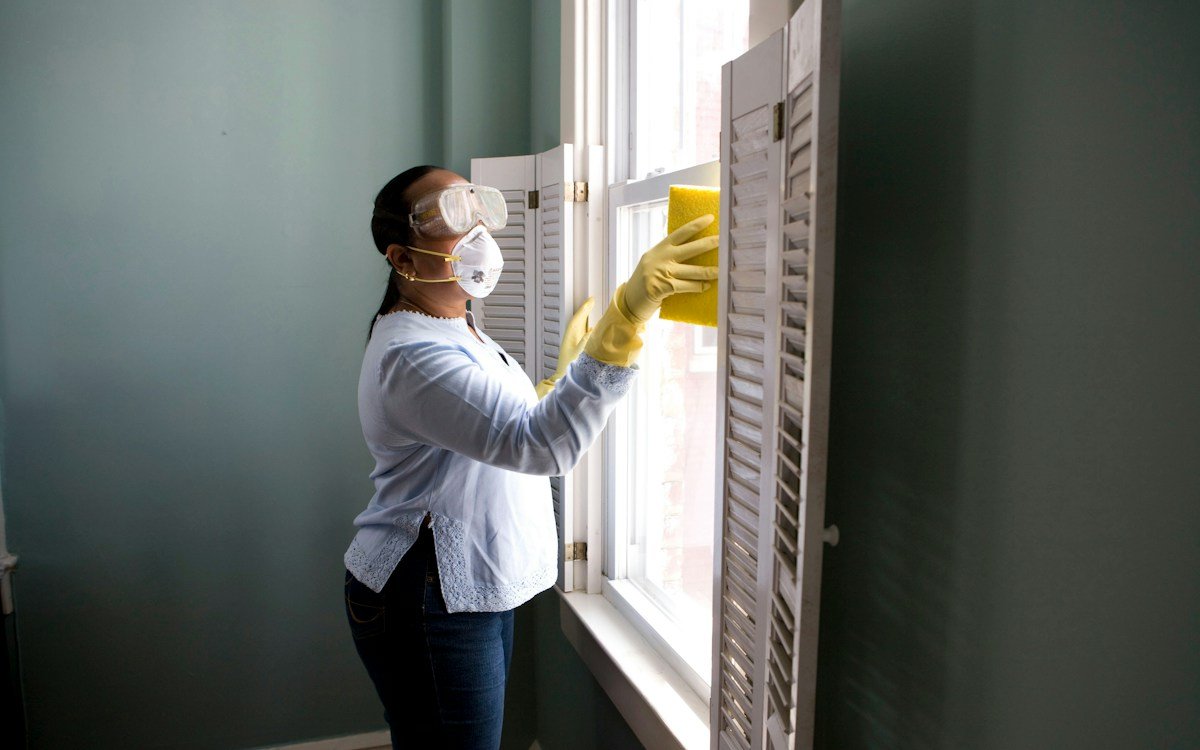
Figure 3: Professional cleaning operative performing rigorous touchpoint disinfection across communal handrails, balustrades, and door hardware.
4. Communal Bin Stores: Decontamination, Odour Neutralisation & Pest Defense
Communal bin stores represent the most challenging hygiene zone within residential property management. Enclosed bin chambers housing multiple 1100-litre four-wheeled Eurobins quickly become foul-smelling biohazard zones plagued by split refuse sacks, leaking food waste liquids (leachate), maggot infestations, fly swarms, and rodent foraging.
A. The Health Risks of Neglected Bin Stores
Organic decomposition in enclosed bin stores releases noxious methane, hydrogen sulphide, and volatile fatty acid vapours that drift into ground-floor resident apartments. Accumulated food residues attract brown rats (Rattus norvegicus) and mice, creating statutory public health nuisances under the Prevention of Damage by Pests Act 1949 and Environmental Protection Act 1990. Local councils frequently refuse to empty commercial Eurobins if bin chambers are blocked by fly-tipped bulk items or excessive floor debris, triggering rapid waste backlogs across entire developments.
B. The 4-Phase Bin Store Decontamination Protocol
Professional communal cleaners execute a specialized, heavy-duty bin chamber sanitisation routine:
- Bulk Clearance & Bin Maneuvering: Temporarily wheel Eurobins out into the courtyard. Clear floor debris, discarded cardboard boxes, and split rubbish bags. Bag loose refuse into heavy-duty disposal sacks.
- Rotary Hot-Water Pressure Jetting: Apply industrial surface pressure washers delivering water at 150 bar pressure and 80 degrees Celsius to blast caked grease, rotten beverage residues, and dirt off concrete floors, tiled walls, and internal drainage channels.
- Bio-Enzymatic Digester Application: Spray biological enzyme formulations containing live non-pathogenic bacterial cultures across concrete slabs. These enzymes penetrate porous concrete pores, digesting embedded organic fats, proteins, and carbohydrates that cause recurring foul odours.
- Rodent-Repellent Barrier & Door Touchpoint Wipe: Disinfect external bin store door handles, keypad entry latches, and apply non-toxic botanical rodent deterrent barriers along perimeter floor expansion joints.
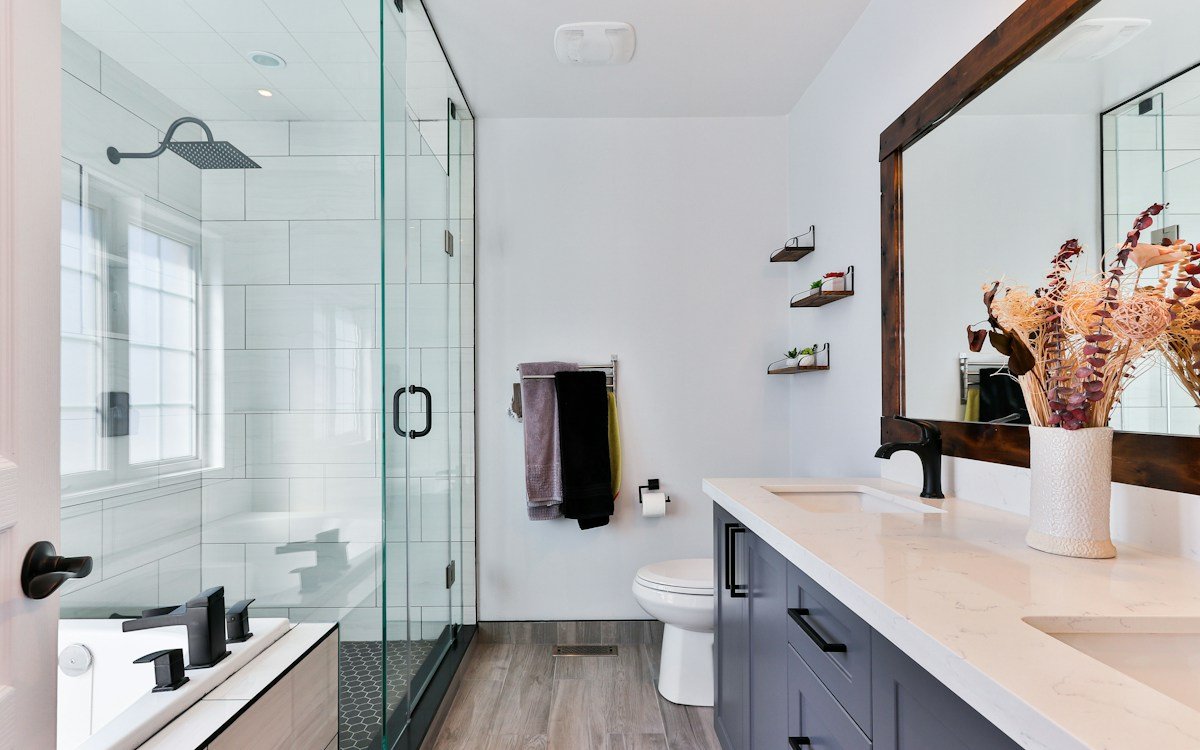
Figure 4: Spotless communal amenity and restroom facilities sanitized with hospital-grade surface treatments and consumable replenishment.
5. Floor-Care Specialisms: Carpets, Terrazzo, Vinyl & Natural Stone
Flooring materials in communal corridors endure continuous abrasion. Selecting the correct technical cleaning methodology for each specific floor substrate is vital to prevent premature wear, structural staining, and costly floor replacement charges levied against leaseholder sinking funds.
A. Commercial Heavy-Contract Carpet Tiles
Most modern purpose-built residential developments feature heavy-duty commercial nylon carpet tiles in corridors to dampen footfall noise between apartments. Weekly maintenance requires upright commercial vacuum cleaners with motorized cylindrical brush-rolls that lift carpet pile and extract abrasive quartz particles before they slice through nylon yarns. Every six months, commercial hot-water extraction (steam cleaning) with low-moisture encapsulation chemicals should be conducted to dissolve beverage spills, pet tracking marks, and grease stains without over-wetting subfloors.
B. Victorian Encaustic & Terrazzo Tiling
Converted period properties across London, Edinburgh, and Bath frequently boast historic encaustic ceramic tiles or polished terrazzo hallways. These heritage surfaces are highly sensitive to acidic chemicals, which etch glazed surfaces and dissolve cementitious matrix binders. Cleaners must utilize strictly pH-neutral floor soaps (pH 7.0), followed by microfiber buffing. Acidic toilet descalers or harsh bleach solutions must NEVER contact historic tile flooring.
C. Safety Vinyl with Anti-Slip Aggregates (Altro / Polyflor)
Communal utility areas, laundry rooms, and bin access corridors commonly feature safety vinyl embedded with aluminium oxide or silicon carbide particles to achieve R10 to R12 slip ratings. These microscopic abrasive aggregates trap dirt in surface texture recesses, causing floors to look permanently grey and soiled under standard mop washing. Dedicated quarterly rotary scrubbing with cylindrical counter-rotating brush machines is required to lift embedded soil out of textured vinyl profiles.
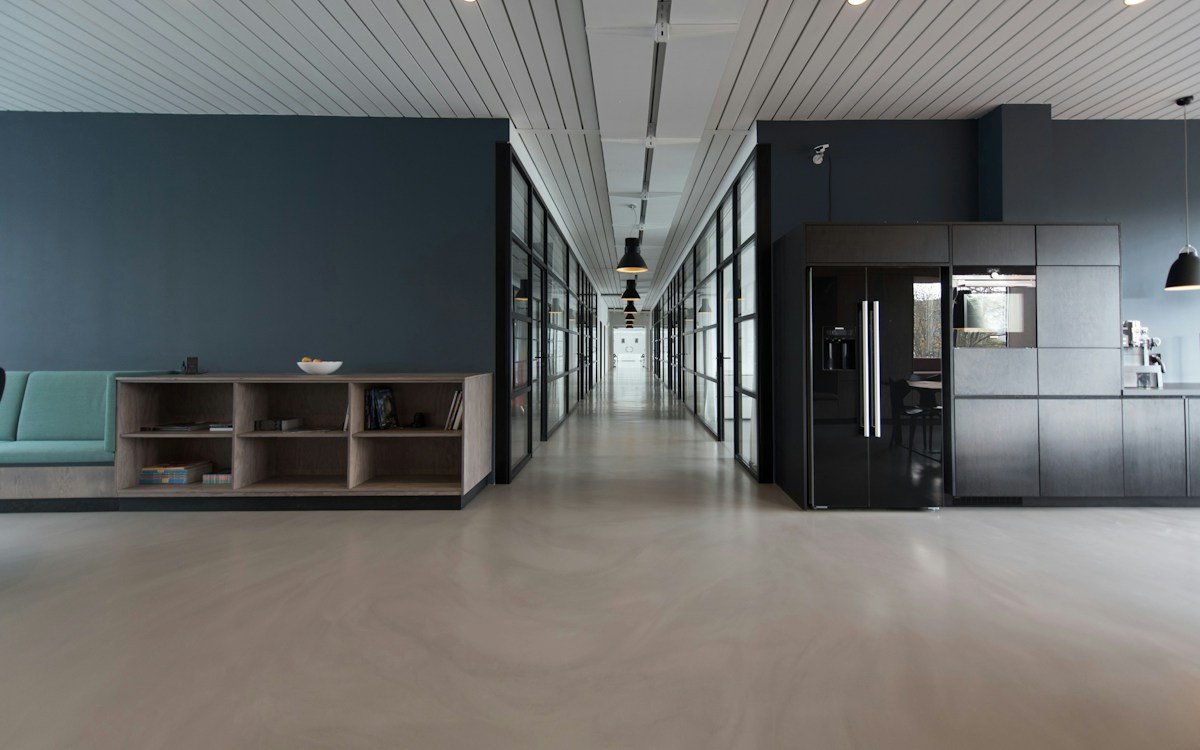
Figure 5: High-traffic communal entrance atrium and hard floor restoration delivering lasting surface protection and mirror finish.
6. Commercial Communal Cleaning Contract Pricing Benchmarks across the UK
Communal cleaning contracts for managed residential blocks are structured as ongoing commercial service agreements, typically billed monthly in arrears. Pricing reflects building size, flight of stairs, number of residential units, visit frequencies, and ancillary inclusions like bin store jetting or window cleaning.
A. UK Communal Cleaning Contract Pricing Matrix
| Residential Development Type | Typical Monthly Cost | Service Visit Schedule | Scope of Inclusions |
|---|---|---|---|
| Converted Victorian Block (2-4 Flats) | £140 – £220 / month | Fortnightly (1 hour / visit) | Single flight of stairs, entrance mat vacuum, front door glass polish, porch dusting |
| Standard Purpose-Built (6-12 Flats) | £280 – £480 / month | Weekly (1.5 – 2 hours / visit) | 2-3 floors, banister sanitisation, carpet vacuuming, intercom wipe, quarterly internal window clean |
| Mid-Rise Development (15-30 Flats) | £580 – £950 / month | Twice weekly (2.5 hours / visit) | Lift car detailing, stainless steel buffing, full corridors, monthly bin store pressure wash |
| Large Residential Estate (40+ Units) | £1,200 – £2,800+ / month | 3 to 5 days / week (scheduled patrols) | Multi-core stairwells, underground parking sweeping, bin rotation, caretaker liaison, grounds litter pick |
B. Factors Influencing Commercial Contract Quotations
- Presence of Passenger Lifts: Buildings with lifts experience concentrated soil loading in lift cabs and landing buttons, requiring specialized stainless steel polishing and track vacuuming.
- External Bin Store Logistics: Whether bin stores are ground-level external brick enclosures or subterranean basement rooms requiring water supply hoses and drainage sumps.
- Carpet vs Hard Flooring Ratio: Carpeted corridors demand high-powered vacuuming and periodic extraction, whereas extensive terrazzo or natural stone requires neutral damp mopping and periodic diamond pad burnishing.
- Geographic Location: Central London and major metropolitan centres (such as Manchester, Birmingham, and Edinburgh) carry higher commercial labour rates and parking/congestion surcharge costs.
7. Ancillary Services: Communal Window Cleaning, Gutters & Pressure Washing
Comprehensive block management agreements frequently bundle seasonal exterior maintenance alongside regular interior communal cleaning, consolidating supplier management for property agents.
A. Reach-and-Wash Water-Fed Pole Window Cleaning
Communal staircase windows, atrium rooflights, and entrance curtain walling require scheduled exterior cleaning every month or quarter. Modern contractors deploy van-mounted Reach-and-Wash systems utilizing reverse osmosis and de-ionised pure water. Carbon-fibre telescopic poles enable operatives to safely wash exterior communal glazing up to 65 feet (6 storeys) directly from ground level, eliminating the need for expensive cherry pickers or scaffolding while complying fully with the Work at Height Regulations 2005.
B. External Walkways and Courtyard Jet Washing
Exterior tarmac, block paving, and concrete entrance ramps accumulate green algae, black lichen, and moss over British autumn and winter months, creating hazardous slip conditions for residents. Annual or bi-annual high-pressure jet washing with rotary surface cleaners strips away slippery biofilm, restoring slip-resistant traction and enhancing curbside appeal.
C. High-Level Gutter Clearance
Blocked communal gutters overflow onto external masonry, triggering internal damp ingress, plaster rot, and brickwork efflorescence inside top-floor flats. Annual gutter clearance using ground-based wet-and-dry vacuum systems with wireless inspection cameras extracts fallen leaves, silt, and roof moss, protecting building fabric without working at height.
8. Quality Auditing, Contractor Accountability & Digital Reporting
One of the primary frustrations experienced by property managers and leaseholder committees is the “phantom cleaner” syndrome: cleaning contractors who bill for weekly visits but fail to arrive, rush through jobs in 15 minutes, or leave obvious dust behind. Modern commercial cleaning partners deploy rigorous accountability frameworks to eliminate service failure.
A. NFC and QR-Code Location Scanning
Operatives are required to scan encrypted near-field communication (NFC) discs or QR codes affixed inside communal electrical intake cupboards or noticeboards upon arrival and departure. These systems record exact GPS coordinates and time-stamped visit durations, which are automatically populated into monthly service reports submitted to property managers.
B. Photographic Exception Reporting
If an operative discovers fly-tipped furniture blocking a fire escape, a broken communal window, a blown stairwell lightbulb, or vandalism, they take an immediate digital photograph through their operative mobile app. The managing agent receives an automated notification containing the image and location tag, enabling immediate repair dispatch before residents submit formal complaints.
C. Quarterly Joint Site Inspections
Dedicated commercial area managers conduct scheduled quarterly walk-through inspections alongside property managers or RTM directors. Using standardized scoring sheets, both parties assess high-level dusting, floor cleanliness, bin store hygiene, and overall presentation, adjusting cleaning specifications as building demographics evolve.
9. Operational Checklists for Block Cleaning Operatives
Unambiguous operational checklists ensure that every cleaning visit delivers consistent, high-standard execution across every floor and common facility.
A. Weekly Communal Cleaning Checklist
- Entrance Approach: Sweep exterior entrance steps, clear litter and fallen leaves from front porch, and empty exterior cigarette ash urns.
- Entrance Foyer: Thoroughly vacuum heavy-duty entrance coir matting; clean glass front doors and side glazed panels inside and out; wipe intercom buzzer panel and brass/stainless handles.
- High-Level Dusting: Dust ceiling corners, emergency light fittings, communal smoke alarm casings, and wall-mounted artwork frames.
- Banisters and Handrails: Disinfect handrails, timber balustrades, and metal spindles with BS EN 1276 antibacterial microfibre cloths.
- Skirting and Ledges: Damp dust skirting boards, window sills, electrical riser doors, and heating pipes.
- Floor Maintenance: Thoroughly vacuum all carpeted stairs and landings; damp mop all hard tiled surfaces using neutral floor soap and deploy wet floor hazard cones.
- Lift Interiors: Polish mirrors, wipe down stainless steel walls with protective polish, clean call buttons, and vacuum elevator door floor tracks.
- Bin Store Check: Sweep concrete floor, wipe bin store door handles, reposition Eurobins, and check for fly-tipping overspill.
- Audit Verification: Sign and date physical log sheet on communal noticeboard; scan digital completion QR code.
B. Monthly and Periodic Deep Cleaning Checklist
- Internal Communal Glazing: Clean all interior landing windows, transoms, and communal fire escape vision panels.
- Bin Store Jet Wash: High-pressure hot water washdown of bin room floors, walls, and external drainage sumps with bio-enzymatic digesters.
- Carpet Stain Treatment: Spot clean isolated beverage and food stains on carpeted landings using micro-encapsulation spotters.
- Light Diffuser Cleaning: Carefully remove, wash, and dry fluorescent and LED light diffuser covers to eliminate trapped dead insects.
10. Real-World Case Studies: Transforming UK Residential Developments
Real-world examples demonstrate the financial and operational benefits of professional communal area cleaning partnerships.
A. Case Study 1: Docklands Luxury Development Resolves Resident Complaints
Property Profile: A 120-apartment luxury residential development across three interconnected 8-storey blocks in East London.
The Challenge: The incumbent cleaning contractor suffered from severe staff turnover. Stairwells were neglected, lift mirrors were continuously smeared, and the communal bin store generated persistent foul odours that triggered 14 formal leaseholder complaints in a single month.
The Commercial Solution:
- Appointment of a dedicated 5-day-per-week cleaning team with dedicated on-site supervisor.
- Execution of an intensive 3-day deep clean, including hot-water carpet extraction across all 24 corridor landings and high-pressure steam decontamination of the underground bin store.
- Implementation of weekly bio-enzymatic bin washdowns and daily lift detailing routines.
Results: Resident complaints dropped to zero within 30 days. Leaseholders praised the turnaround at the annual AGM, and the managing agent retained the contract with long-term SLA stability.
B. Case Study 2: Converted Victorian Freehold in Bristol Eliminates Fire Safety Notices
Property Profile: A Grade II listed converted Victorian property containing 6 leasehold flats in Clifton, Bristol.
The Challenge: During a local authority fire safety inspection, the building was issued an informal deficiency notice due to accumulated tenant shoes, bicycles, and pushchairs obstructing the single narrow escape staircase. In addition, the heritage encaustic tiled hallway had developed a slippery wax film from inappropriate domestic floor polishes.
The Commercial Solution:
- Introduction of a fortnightly professional cleaning schedule with strict zero-tolerance corridor obstacle auditing.
- Chemical stripping of the degraded wax layer from the Victorian tile floor, followed by neutral pH microfiber damp mopping restoring an HSE-compliant slip rating.
- Installation of a digital contractor logbook that automatically alerts the freeholder if residents deposit obstructions in the stairwell.
Results: The fire authority cleared the deficiency notice on follow-up inspection. The building’s historic hallway tiles were protected against chemical etching, and annual insurance renewal premiums remained stable.
C. Case Study 3: Manchester Suburban Apartment Block Resolves Bin Store Infestation
Property Profile: A 24-unit purpose-built block in South Manchester with a detached external brick bin chamber.
The Challenge: Organic leachate buildup from leaking food waste containers created a severe fly infestation and foul odours that forced ground-floor residents to keep windows shut during summer months. Local council refuse collectors threatened to suspend collections due to loose debris.
The Commercial Solution:
- Emergency hot-water rotary jet washing at 150 bar pressure to strip away caked fat and food grease from concrete slabs and drainage gullies.
- Treatment with bio-enzymatic microbial digesters and application of perimeter botanical pest deterrents.
- Integration of a scheduled monthly bin room pressure jetting pass into the standard communal cleaning contract.
Results: Insect activity was eliminated within 48 hours. Council refuse collections resumed without issue, and ground-floor tenant satisfaction scores rebounded significantly.
11. Section 20 Consultation & Procurement Governance for Block Managers
For residential property managing agents, block management firms, and Right to Manage (RTM) directors, procuring commercial cleaning services involves statutory legal duties under the Landlord and Tenant Act 1985 (as amended by the Commonhold and Leasehold Reform Act 2002). Understanding Section 20 thresholds is crucial to ensure that service charge expenditures remain legally recoverable from leaseholders.
A. Qualifying Long-Term Agreements (QLTAs)
Under Section 20 of the Landlord and Tenant Act 1985, a contract is classified as a Qualifying Long-Term Agreement (QLTA) if it is entered into for a period of more than 12 months and the cost to any single leaseholder exceeds £100 per year. If a communal cleaning contract exceeds these thresholds, managing agents must execute a formal, statutory three-stage consultation process before awarding the tender:
- Notice of Intention: Describing the proposed cleaning scope, explaining why it is required, and inviting leaseholders to nominate contractors within a 30-day statutory window.
- Notice of Estimates: Presenting at least two competitive quotations from commercial cleaning providers, including any contractor nominated by leaseholders, with a second 30-day consultation period.
- Notice of Award: Formally documenting why the winning cleaning contractor was chosen, providing full transparent rationale if the lowest-priced tender was not selected.
Failing to execute Section 20 consultations when required limits the managing agent’s legal recovery to just £100 per leaseholder, exposing freeholders and management companies to catastrophic financial deficits. Leading commercial cleaning contractors structure flexible 12-month rolling contracts with 30-day break clauses to offer managing agents procurement flexibility while remaining fully compliant with leasehold governance rules.
B. Structuring a Robust Cleaning Tender Specification
To avoid dispute during annual service charge reconciliations, property managers should construct explicit tender documents. Specifications must define exact floor cleaning frequencies, task breakdowns, chemical non-toxicity criteria, and digital time-stamping mechanisms. Ambiguous clauses like “clean hallways as needed” invite contractor disputes and resident dissatisfaction.
12. Letting Agents & Block Turnovers: Void Management, Move-Ins & Move-Outs
High resident turnover within private rented sector (PRS) blocks and build-to-rent (BTR) developments places immense strain on shared building corridors. Tenancy changeovers generate concentrated physical wear that requires targeted cleaning and facilities coordination.
A. Move-In and Move-Out Protection Protocols
During tenant moves, heavy furniture, mattresses, and removal trollies collide with communal walls, chip door frames, and scuff painted skirting boards. Professional communal cleaning teams coordinate with on-site concierges or letting agents to manage move-in days:
- Lift Protective Drapes: Hanging padded canvas wall drapes inside passenger elevator cabs prior to scheduled moving slots, shielding polished stainless steel and mirrored walls from heavy impact damage.
- Post-Move Surface Polishing: Executing prompt post-move spot cleaning to remove black rubber scuff marks from hallway walls and vinyl flooring using specialized eraser pads without stripping emulsion paint.
- Cardboard Overspill Decontamination: Flattening and bundling flattened moving boxes deposited outside resident entrance doors or overflowing communal bin stores.
B. Void Apartment Common Approach Preparation
When prospective tenants tour a vacant rental flat, their purchasing psychology begins at the communal entrance gate. If the shared corridor smells of damp refuse, the carpets display grease spots, or the lift buttons are grubby, prospective tenants anticipate poor building maintenance and negotiate lower monthly rents or decline the property entirely. Letting agents who partner with reliable commercial communal cleaners ensure that shared arrival corridors remain pristine, directly supporting higher rental yields and minimal void periods.
13. Sustainable Communal Cleaning & Eco-Accreditations
Environmental, Social, and Governance (ESG) standards have become essential criteria for institutional freeholders, housing associations, and estate asset managers across the UK. Modern communal cleaning must deliver clinical cleanliness while minimising environmental impact.
A. Concentrated Chemical Dosing & Plastic Reduction
Traditional janitorial practices relied on shipping heavy, pre-diluted cleaning chemicals in single-use plastic bottles, generating substantial carbon transport emissions and plastic waste. Modern sustainable cleaning contractors utilize ultra-concentrated chemical cartridges combined with closed-loop dilution systems. A single 1-litre concentrate cartridge produces up to 100 trigger spray bottles of active surface cleaner, reducing plastic packaging waste by up to 90% and slashing delivery transport footprints.
B. Water-Saving Microfibre Technology
Advanced split-microfibre technology mechanically traps dust, bacteria, and grime within microscopic wedge-shaped polyester and polyamide fibres. This enables operatives to achieve exceptional cleaning results using up to 70% less water and minimal chemical surfactant, protecting sensitive natural stone substrates while reducing domestic water consumption across client blocks.
C. Biodegradable & Plant-Based Formulations
Cleaning solutions applied in residential blocks must be 100% biodegradable, cruelty-free, and certified under EU Ecolabel or Nordic Swan standards. Plant-derived surfactants derived from renewable corn and coconut sugars replace petroleum-based detergents, ensuring that rinse water discharged into municipal sewer systems carries zero aquatic toxicity.
14. Biohazard Response & Fly-Tipping Clearance Protocols
Property managers frequently encounter unpleasant biohazardous incidents or illegal dumping in shared residential zones that demand emergency commercial response.
A. Emergency Bodily Fluid & Biohazard Sanitation
Whether resulting from resident medical emergencies, pet accidents on landing carpets, or anti-social behaviour in stairwells, bodily fluids (blood, vomit, urine, and faeces) represent severe biohazard risks transmitting Hepatitis B, Hepatitis C, HIV, and Norovirus. Standard domestic cleaners are legally prohibited from handling untreated biohazards. Commercial emergency response teams deploy:
- Certified biohazard containment kits with absorbent gelling granules and clinical scoops.
- High-strength chlorine-release biocides (10,000 ppm available chlorine) to neutralise biological pathogens.
- Hot-water commercial extraction units that thoroughly rinse and sanitize carpet fibres down to the backing pad.
- UN-approved yellow clinical waste sacks transported under formal duty of care waste transfer consignment notes.
B. Illegal Fly-Tipping Removal from Common Lands
Discarded sofas, broken washing machines, old mattresses, and builder’s rubble dumped in communal car parks or bin enclosures create severe fire risks and council enforcement penalties. Commercial cleaning partners maintain licensed Waste Carrier Registrations with the Environment Agency, allowing them to rapidly dismantle, load, and transfer bulky fly-tipped waste to licensed commercial recycling facilities, providing property managers with legal waste transfer notes that satisfy local authority Environmental Health audits.
15. Service Level Agreement (SLA) Key Performance Indicators & Monthly Audit Scoring
To maintain consistent hygiene standards across extensive property portfolios, professional block managers implement objective Service Level Agreement (SLA) auditing frameworks. Regular scoring removes subjective opinions from maintenance assessments and establishes clear operational accountability.
A. Core Key Performance Indicator (KPI) Metrics
Commercial cleaning contracts for residential blocks evaluate performance across five primary operational dimensions:
- Attendance Reliability (Target: 99.5%): Verified via GPS timestamped NFC tags scanned at the start and completion of every scheduled site visit. Unscheduled absences or missed visits trigger automatic service credits.
- Audit Pass Rate (Target: 92.0% or higher): Measured during monthly joint inspections between the block manager and cleaning supervisor across entrance foyers, staircases, lifts, and bin compounds.
- First-Time Rectification Speed (Target: Under 24 Hours): When minor defects are identified (such as fingerprint smudges on glass or scuff marks on lift panels), cleaning crews must rectify them within 24 hours of notification. Urgent health and safety hazards (such as bodily fluid biohazards or broken glass in stairwells) require emergency attendance within 2 to 4 hours.
- Resident Complaint Index (Target: Below 1.0% per annum): Tracking formalized resident complaints submitted to the managing agent regarding communal hygiene standards.
- Consumable Replenishment Completeness (Target: 100%): Ensuring communal washrooms, hand sanitiser stations, and bin store supplies remain stocked without running dry.
B. The 100-Point Block Hygiene Audit Rubric
Property supervisors conduct monthly quality audits utilizing a structured 100-point inspection matrix divided across four core functional building zones:
| Inspection Zone | Max Points | Key Evaluation Criteria | Pass Standard |
|---|---|---|---|
| Ground Floor Foyer & Main Entrance | 30 | Glass clarity, door handle sanitisation, mat-well vacuuming, skirting dust removal | Minimum 27 / 30 |
| Stairwells, Corridors & Landings | 30 | Carpet edge vacuuming, banister handrail disinfection, absence of combustible clutter, cobweb removal | Minimum 27 / 30 |
| Passenger Lifts & Elevators | 20 | Stainless steel grain polishing, call button hygiene, threshold track debris extraction, mirror cleanliness | Minimum 18 / 20 |
| Refuse Stores & External Approaches | 20 | Bin handle disinfection, floor wash down, absence of loose rubbish, drainage gulley clearance | Minimum 18 / 20 |
Blocks achieving scores between 90 and 100 receive an “Excellence” grading. Scores between 80 and 89 trigger targeted corrective action within five working days. Any audit scoring below 80 results in an immediate contract review and complimentary re-clean of failing zones under contractual performance guarantees.
16. Frequently Asked Questions (FAQs): Communal Area Cleaning in the UK
How frequently should communal areas in residential blocks be cleaned?
Cleaning frequency depends on resident density and building size. Small converted blocks (2-4 flats) generally require fortnightly cleaning. Standard purpose-built blocks (6-20 flats) benefit most from weekly service. Larger residential developments (25+ units) or blocks with high tenant turnover (such as student or build-to-rent developments) require twice-weekly or daily scheduled cleaning passes to maintain acceptable hygiene and fire safety standards.
Who is responsible for paying for communal area cleaning?
Communal cleaning costs are typically funded through the building’s communal service charge account, managed by the property managing agent, freeholder, or Right to Manage (RTM) company. Individual leaseholders contribute to this budget in accordance with their lease covenants.
What should cleaners do when residents leave items blocking communal stairwells?
Under the Regulatory Reform (Fire Safety) Order 2005, communal escape routes must remain totally unobstructed. Professional cleaners are trained not to ignore corridor clutter. Operatives take digital photographs of items (such as shoes, bikes, or doormats), report them immediately to the managing agent, and in accordance with building house rules, move combustible items to designated temporary holding areas if instructed by the property manager.
How do managing agents verify that cleaning visits have taken place?
Reputable commercial cleaning contractors utilize digital attendance tracking. Operatives scan near-field communication (NFC) tags or QR codes mounted inside the building using GPS-enabled mobile devices. This transmits real-time timestamps, operative names, and photographic inspection reports directly to the property manager’s portal, eliminating disputes over missed visits.
Are cleaning chemicals safe for children and domestic pets in communal hallways?
Yes. Commercial communal cleaners operating in residential blocks utilize non-toxic, eco-friendly, neutral pH cleaning solutions certified under British and European standards. Formulations are free from harsh chlorine bleaches, volatile organic compounds (VOCs), and heavy industrial solvents, ensuring that indoor air quality remains safe for babies, children, and domestic pets immediately following cleaning.
17. Key Holding, Fob Management, and Resident Communication Protocols
Operating within high-density residential developments requires strict key management and access security. CCSN cleaning operatives are vetted to British Standard BS 7858, ensuring complete trustworthiness when handling electronic fobs, master suited keys, and mechanical digital coded locks. All physical keys are tracked through tamper-evident digital key safes and geo-fenced mobile sign-in systems, providing managing agents with complete audit logs of when operatives entered and exited the building.
Additionally, proactive communication minimizes resident friction. Managing agents receive digital advance notice templates to inform leaseholders of deep cleaning schedules, carpet extraction rotations, and window washing visits. On-site cleaners position bilingual yellow safety hazard cones during mopping operations and display professional laminated contact cards on communal noticeboards, ensuring residents can promptly report any emergency spillage or maintenance defects directly to our operations desk.