
1. Executive Summary: The Fitness & Leisure Hygiene Mandate in the UK
Commercial fitness centers, private health clubs, CrossFit boxes, and municipal leisure facilities represent some of the most biologically demanding commercial environments in the United Kingdom. Every day, hundreds or thousands of gym members exert high physical energy across shared equipment, depositing heavy biological sweat residues, skin sebum, body oils, and shedding microscopic epithelial skin cells across vinyl workout benches, rubber dumbbells, cardio machine touchscreens, and locker room benches. In an enclosed environment where body heat, elevated humidity, and shared surfaces converge, the risk of rapid microbiological cross-contamination is exceptionally acute.
For gym owners and leisure facilities directors, hygiene standards directly dictate member retention, commercial brand reputation, and legal liability. Multiple independent consumer surveys conducted across the UK leisure sector confirm that facility cleanliness ranks as the single most influential factor governing gym membership renewals, even surpassing equipment availability and monthly subscription fees. A fitness facility that emits stale body perspiration odors, displays chalk-caked rubber flooring, exhibits damp mildew in shower stalls, or suffers an outbreak of ringworm or Methicillin-Resistant Staphylococcus aureus (MRSA) faces catastrophic member cancellations, adverse social media exposure, and potential Health and Safety Executive (HSE) enforcement interventions.
Specialized commercial gym and leisure centre cleaning services in the UK deliver technical infection-control solutions designed to maintain sterile workout zones, preserve expensive fitness machinery, and protect public health. From overnight hospital-grade virucidal fogging and low-moisture rubber gym tile restoration to hourly locker room sanitization and wet-area poolside descaling, professional cleaning contractors ensure fitness facilities remain hygienic, compliant, and commercially thriving. This comprehensive 2026 operational guide provides an exhaustive blueprint for fitness managers, covering pathogen defense protocols, rubber floor chemistry, poolside barefoot slip prevention, HVAC air filtration, and commercial contract pricing schedules.

Figure 1: Five-zone fitness facility hygiene standards, primary pathogen risks, chemical classifications, and cleaning frequencies.
2. The Microbiology of Fitness Facilities: Critical Pathogen Defense Architecture
To design an effective infection control protocol, facility managers must understand the exact biological threats native to commercial fitness environments. Shared tactile surfaces combined with high skin exposure create ideal transmission vectors for bacterial, fungal, and viral pathogens.
A. Bacterial Pathogens: MRSA and Staphylococcus Aureus
Staphylococcus bacteria naturally colonize human skin, but in fitness settings, virulent strains such as Methicillin-Resistant Staphylococcus aureus (MRSA) pose severe health hazards. MRSA bacteria survive on non-porous surfaces (such as vinyl weight benches, foam barbell pads, and rubber dumbbells) for weeks:
- Transmission Dynamics: Microscopic abrasions or friction burns caused by gym attire allow MRSA bacteria on un-sanitized benches to penetrate the dermis, causing painful skin abscesses, cellulitis, and potentially life-threatening systemic bloodstream infections.
- Disinfection Protocol: Eradicating MRSA requires utilizing broad-spectrum commercial disinfectants certified under British and European Standard BS EN 1276 and BS EN 13697. Cleaners must ensure adequate chemical dwell time (typically 60 to 120 seconds of wet contact) rather than spraying and instantly wiping, which merely spreads bacterial biofilms.
B. Fungal Infections: Ringworm and Athlete’s Foot (Tinea Pedis)
Fungal dermatophytes thrive in warm, damp, humid microclimates characteristic of shower stalls, locker room changing benches, sauna floors, and swimming pool surrounds:
- Trichophyton Mentagrophytes: The primary causative agent of Athlete’s Foot and Tinea Corporis (ringworm). Fungal spores shed from infected feet survive inside wet tile grouting and damp drainage channels, readily transferring to barefoot gym members.
- Fungicidal Chemistry: Standard antibacterial detergents do not kill fungal spores. Cleaning teams deploy specialized fungicidal biocides certified under BS EN 1650, paired with high-temperature pressurized steam systems (140 degrees Celsius) to destroy fungal spores embedded in porous grout lines.
C. Viral Pathogens: Plantar Verrucas (HPV) and Airborne Viruses
Human Papillomavirus (HPV) strains that cause plantar verrucas proliferate around wet pool decks and communal shower trays. In addition, respiratory pathogens (rhinovirus, influenza, and coronaviruses) are continuously expelled into ambient gym air during high-intensity cardiovascular workouts, settling onto cardio console buttons, heart rate monitor handgrips, and treadmill rails. Fitness facilities mandate daily virucidal wipes certified under BS EN 14476 across all equipment touchpoints.
D. Bloodborne Pathogen Protocol: Palm Tears & Equipment Wounds
In strength and conditioning facilities, heavy knurled barbells, kettlebells, and pull-up rigs frequently cause palm tears, blisters, and bleeding calluses among athletes. Commercial gym cleaning operatives receive specialist bloodborne pathogen training:
- Universal Precautions: All blood and bodily fluid discharges must be treated as potentially infectious for Hepatitis B (HBV), Hepatitis C (HCV), and Human Immunodeficiency Virus (HIV). Operatives deploy nitrile gloves, eye protection, and clinical biohazard disposal bags.
- Chlorine-Releasing Granules & Biocides: Spilled blood on rubber flooring or knurled steel is immediately treated with chlorine-releasing absorbent granules (sodium dichloroisocyanurate) or broad-spectrum virucidal biocides formulated to achieve full viral inactivation within a 5-minute dwell contact period.
- Regulated Clinical Waste Incineration: Used swabs, contaminated paper wipes, and protective gloves are double-bagged in UN-approved clinical yellow biohazard sacks and transferred to locked hazardous waste storage for regulated high-temperature incineration.
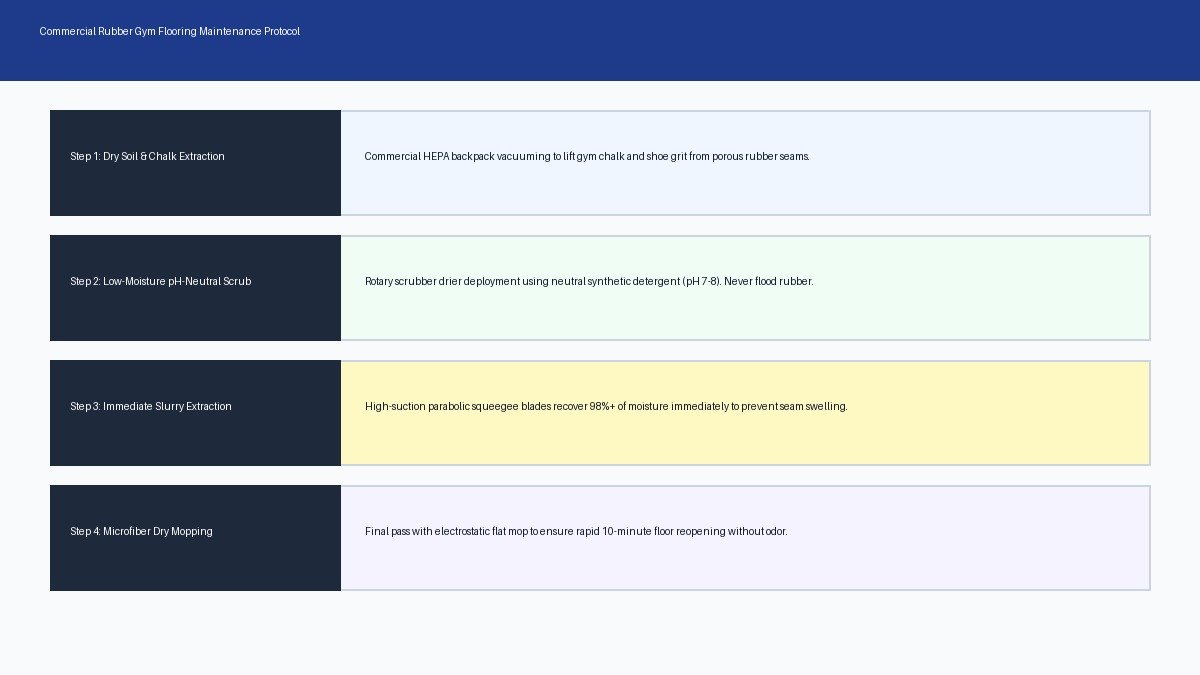
Figure 2: Four-step operational protocol for maintaining and restoring commercial rubber gym tiles, lifting chalk and soil without causing seam damage.
3. Flooring Care Across Fitness Zones: Rubber, Sprung Wood, Turf & Specialized Mats
Modern leisure centres incorporate diverse specialized flooring surfaces across different activity zones. Each material requires dedicated chemical protocols and specialized machinery to prevent damage and preserve slip resistance.
A. Vulcanized Rubber Drop Tiles and Roll Flooring
Rubber is the core flooring across free weights and resistance training areas. Its open-pore texture traps magnesium carbonate lifting chalk and body sweat:
- Chemical Restrictions: Petroleum solvents, acidic toilet descalers, concentrated bleach, and pine oil detergents permanently degrade rubber polymer bonds. Solvents cause rubber tiles to soften, become sticky, curl along edge seams, and emit noxious odors.
- Approved Cleaning Methodology: Cleaners utilize neutral synthetic degreasers (pH 7.0 to 8.5) paired with walk-behind scrubber driers equipped with cylindrical nylon brushes. High-suction squeegees extract 98 percent of dirty water immediately to protect subfloor adhesives.
B. Sprung Hardwood Aerobic & Spin Studio Floors
Group exercise studios feature shock-absorbing sprung beech, maple, or oak timber floors engineered to protect athlete joints:
- Moisture Sensitivity: Excessive water penetrates between wood tongue-and-groove joints, causing swelling, cupping, and structural warping. Traditional mop buckets and scrubber driers with heavy water discharge must never be used on timber floors.
- Microfiber Damp Mopping Protocol: Hardwood studios receive daily dry microfiber dust mopping followed by controlled damp mopping using specialized non-slip wood cleaners certified under DIN 18032 for sports floor traction.
- Sweat Acid Neutralization: Aerobic and spin classes leave dense puddles of salty sweat beneath stationary bikes. Acidic sweat breaks down polyurethane wood seals; cleaners promptly neutralize sweat deposits using pH-buffered cleaning solutions after every group class.
C. Indoor Sled Tracks & Functional Astroturf
Artificial grass turf tracks used for weighted sled pushes and sprint drills trap shoe grit, lint, and sweat deep within synthetic fiber blades:
- Rotary Brush Vacuuming: Turf requires heavy upright commercial vacuums fitted with high-speed cylindrical beater bars that agitate and lift compacted dirt from the root of artificial grass fibers.
- Bio-Enzymatic Turf Sanitization: Monthly sanitization utilizes bio-enzymatic spray solutions that penetrate turf backing, neutralizing biological odors and eliminating bacteria without leaving sticky residues that attract shoe dirt.
D. Commercial Carpet Tiles in Cardio Theaters
Carpet tiles in cardio zones absorb ambient machine noise but accumulate falling sweat droplets beneath treadmills and ellipticals:
- Daily Vacuuming: Heavy commercial HEPA upright vacuums remove dry particulate soil daily.
- Encapsulation and Hot Water Extraction: Quarterly low-moisture polymer encapsulation crystallizes sweat proteins into dry residue vacuumed away during normal cleaning, supplemented by annual 70-degree hot water extraction to restore carpet pile freshness.
E. Martial Arts Tatami Mats and Boxing Rings
Dojos, MMA academies, and boxing training facilities utilize high-density closed-cell vinyl or cross-linked polyethylene foam mats:
- Direct Skin Friction Hazards: Athletes grapple barefoot with short sleeves and shorts, creating direct dermal contact across entire mat surfaces. Staph and ringworm spread rapidly if mats are not disinfected after every training session.
- Daily Mat Disinfection: Mats are swept clean of athletic tape and hair, followed by wide flat-microfiber mopping using hospital-grade virucidal biocides formulated to kill dermatophytes and herpes simplex virus (Mat Herpes) without drying out vinyl fabrics or causing surface tackiness.
F. Climbing Wall & Bouldering Facility Hygiene Protocols
Modern climbing and bouldering centers feature vertical polyurethane climbing walls, resin climbing holds, and deep dual-density foam crash matting. These present unique hygiene requirements:
- Hold Washing and Ultrasonic Baths: Climbing holds accumulate dense coats of crushed magnesium carbonate chalk, climbing shoe rubber smudges, sweat oils, and blood traces from finger skin flappers. Regular pressure washing or ultrasonic tank immersion with dilute citric acid solution strips chalk and restores the abrasive friction profile without damaging resin matrices.
- Crash Mat Decontamination: Bouldering floor crash pads covered in heavy Cordura or PVC vinyl are subjected to high-energy foot landings from chalky climbing shoes. Daily industrial backpack vacuuming extracts embedded chalk dust from seams, followed by non-slip antimicrobial wiping that eliminates transferrable bacteria without making pad landings slippery.
G. Squash & Racketball Court Floor Sanding & White Line Care
Squash courts feature untreated, unsealed sprung European beech floorboards designed to deliver natural grain friction for aggressive lateral movements:
- Zero Water Application: Water must never touch untreated squash court floorboards, as moisture causes immediate wood fiber swelling, grain raising, and dangerous floor slipperiness. Court maintenance relies on daily electrostatic dust sweeps and weekly dry buffing with white polishing pads.
- Non-Marking Shoe Black Scuff Removal: Black rubber transfer scuffs left by players are removed by spot-treating with specialized dry eraser pads or mineral spirit spotters applied sparingly with microfibre towels, preserving red out-of-court boundary lines and court play integrity.
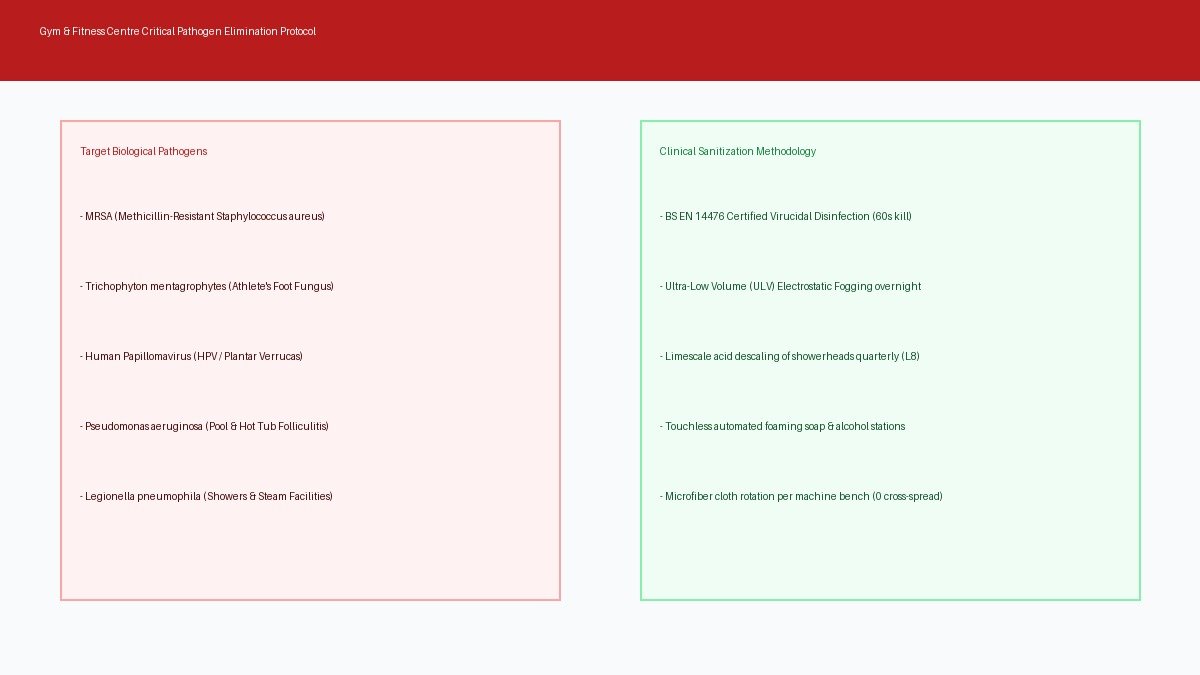
Figure 3: Clinical pathogen defense architecture: comparing target biological organisms against certified BS EN disinfectant chemistries.
4. Health & Safety Executive (HSE) Compliance: Wet Area Barefoot Slips & Legionella
Municipal leisure centres and premium health clubs featuring swimming pools, saunas, steam rooms, and hydrotherapy spas operate under rigorous Health and Safety Executive statutory scrutiny. Wet, barefoot environments represent high-risk liability zones requiring specialized technical management.
A. Barefoot Slip Resistance: BS 7976-2 Pendulum Standards
Under HSE operational guidelines, wet barefoot areas (pool surrounds, shower walkways, changing rooms) present extreme slip potential due to the combination of water, body wash residues, and bare human skin:
- The 4S vs TRL Rubber Slider Standard: When testing barefoot wet areas using the BS 7976-2 pendulum friction tester, specialists utilize Slider 55 (TRL rubber, simulating soft barefoot skin) rather than standard Slider 96 (simulating shod foot traffic).
- Mandatory PTV Threshold (PTV >= 36): Pool surrounds and communal shower floors must achieve a minimum wet Pendulum Test Value (PTV) of 36. Any score below 36 represents an unacceptable legal liability that invalidates insurance indemnity in slip compensation claims.
- Acidic Descaling and Body Fat Removal: Body fats and soap scum combine with water minerals to form an invisible, slick biofilm over anti-slip ceramic tiles. Professional leisure cleaners execute weekly chemical descaling using controlled phosphoric or sulfamic acid detergents to strip mineral glaze, opening tile microscopic asperities and restoring PTV ratings above 40.
B. Legionella Control (HSE Approved Code of Practice L8)
Commercial showers, spa pools, and steam rooms operate at temperatures between 20 and 45 degrees Celsius, creating the ideal breeding range for Legionella pneumophila, the causative bacterium of Legionnaires’ disease:
- Showerhead Quarterly Descaling & Disinfection: Under HSE ACoP L8 guidelines, all communal showerheads, shower hoses, and mixing valves must be dismantled, descaled of mineral buildup, and submerged in a 50 PPM chlorine solution quarterly to destroy bacterial biofilms.
- Temperature Verification: Hot water storage must reach 60 degrees Celsius at the cylinder, distributing to outlets at 50 degrees Celsius within 60 seconds of opening, while cold water must remain below 20 degrees Celsius within two minutes.
- Steam Room Hygiene: Steam rooms must be washed down daily and disinfected with quaternary ammonium biocides, with steam generators descaled periodically to prevent bacterial colonization within steam injection pipes.
C. Sauna Hygiene and Timber Preservation
Traditional Scandinavian saunas utilize untreated Nordic spruce, pine, or cedar wood:
- Never Use Bleach on Sauna Timber: Chlorine bleach bleaches cedar wood gray and releases noxious chlorine vapors when heated. Saunas are cleaned using specialized hydrogen peroxide-based timber disinfectants or oxygenating foam cleaners that kill bacteria while preserving wood grain.
- Weekly Low-Pressure Steam Detailing: Cedar benches are steamed at low pressure to lift absorbed sweat oils, followed by opening sauna ventilation vents to allow thorough air drying overnight.

Figure 4: Wet barefoot slip resistance maintenance and indoor air quality ventilation balance across UK swimming pool facilities.
5. Master Cleaning Schedules: 24-Hour Fitness Turnover & Deep Sterilization
Commercial gym operations require continuous, 24/7 synchronized hygiene workflows. Balancing pre-dawn resets, daytime touchpoint coverage, and overnight deep sterilization guarantees uninterrupted trading.
A. Complete 24-Hour Operational Schedule for Commercial Gyms
| Time Window | Operational Focus | Key Tasks & Deliverables |
|---|---|---|
| 05:00 to 07:00 | Pre-Peak Opening Reset | Final equipment wipe, check all wet wipe stations, restroom paper restock. |
| 07:00 to 10:00 | Morning Rush Janitorial | Continuous shower stall mopping, locker bench wipes, entrance mat care. |
| 10:00 to 13:00 | Midday Low-Footfall Deep Sweep | Cardio machine dust extraction, weight plate rack dusting, spin studio reset. |
| 13:00 to 17:00 | Afternoon Preparation | Locker room 30-min sweeps, water station sanitization, chemical stock check. |
| 17:00 to 21:00 | Evening Peak Janitorial | High-visibility janitor, immediate sweat spill response, continuous bin emptying. |
| 21:00 to 23:00 | Post-Peak Turnover | Free weight re-racking, gym floor refuse clearing, laundry collection. |
| 23:00 to 05:00 | Overnight Industrial Sterilization | Mechanical scrubber driers on rubber, steam showers, ULV electrostatic fogging. |
B. Practical Fitness Case Study: Metropolitan 24/7 Health Club, Manchester
A flagship 2,200 square metre 24/7 fitness facility in central Manchester, serving over 4,500 active members, faced severe operational challenges: persistent locker room odors, gray chalk buildup across functional rubber zones, and an escalating 14 percent monthly member attrition rate tied directly to hygiene complaints.
CCSN designed a structured commercial cleaning overhaul:
- Transitioned from generic mop cleaning to nightly walk-behind Nilfisk scrubber drier passes using neutral bio-enzymatic degreasers, completely restoring the original charcoal color of the rubber drop tiles.
- Instituted a strict 4-color BICSc zone-cleaning protocol with separate mop heads and microfiber cloths for shower areas versus cardio floors.
- Installed automated wall-mounted dilution dispensers and touchless foaming hand sanitizers across the gym floor.
- Deployed bi-weekly ULV electrostatic virucidal fogging across locker rooms and free weight zones.
- Outcome: Within 90 days, hygiene-related member complaints dropped by 94 percent, Google review ratings improved from 3.4 to 4.8 stars, and monthly member retention increased by 18 percent, generating an estimated £42,000 in preserved annual subscription revenue.
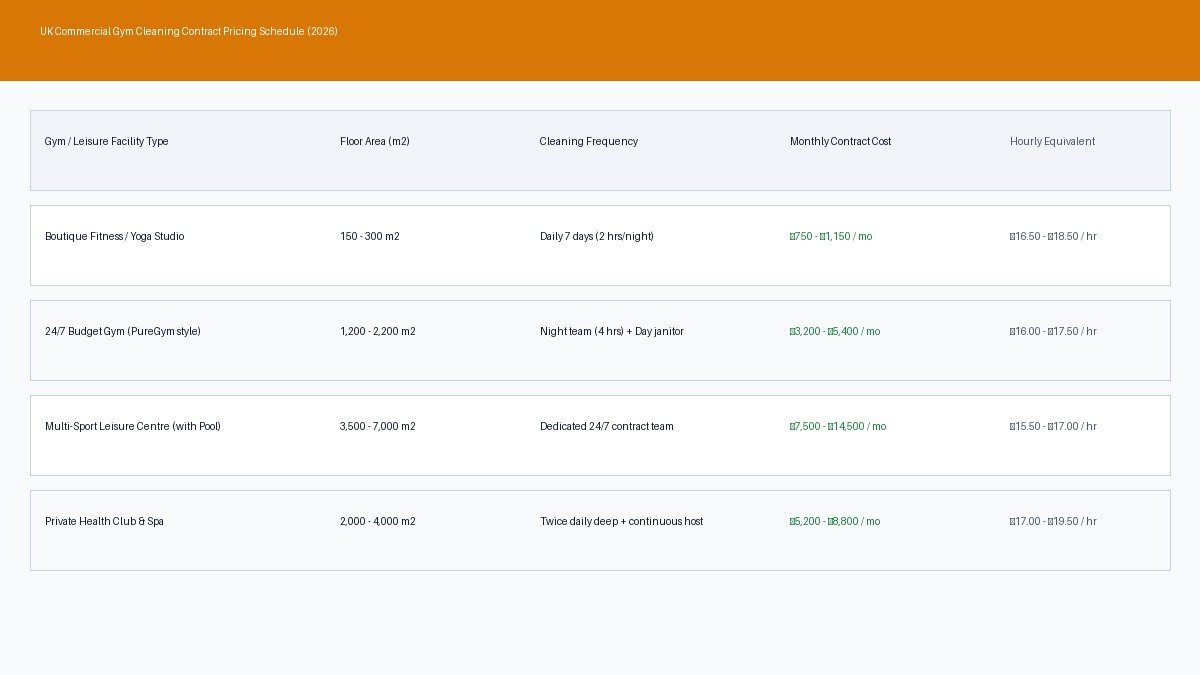
Figure 5: Commercial contract pricing benchmarks per square metre, monthly costs, and hourly rates across UK gym and leisure facilities.
6. Odor Neutralization & Indoor Air Quality (IAQ) Architecture
Body perspiration contains lactic acid, urea, and apocrine sweat secretions that are broken down by skin bacteria into volatile organic fatty acids, creating the pungent “gym locker room smell.” Masking odors with heavy synthetic aerosol perfumes merely creates an unpleasant, suffocating atmosphere for exercising members.
A. Bio-Enzymatic Odor Elimination
Professional cleaning contractors deploy advanced bio-enzymatic digesters containing live non-pathogenic bacterial strains. These enzymes penetrate deep into porous rubber seams, tile grout, and locker crevices, actively consuming organic sweat proteins and converting them into odorless carbon dioxide and water, eliminating the root cause of malodors permanently.
B. HVAC Ventilation and Chloramine Gas Mitigation
In wet leisure facilities with indoor swimming pools, chlorine disinfectants react with bather perspiration, urine traces, and skin lotions to produce chloramines (trichloramine and dichloramine):
- Respiratory Irritation: Chloramines evaporate from the pool surface, accumulating in the atmospheric boundary layer just above pool water. Inhalation causes eye stinging, coughing, and exacerbates swimmer’s asthma.
- Airflow Balancing: Cleaning protocols coordinate with HVAC engineers to ensure wet pool halls operate under continuous negative air pressure relative to surrounding corridors, preventing chloramine gas from migrating into reception lobbies or fitness studios. Low-level exhaust ventilation pulls heavy chloramines from the pool deck surface continuously.
- CIBSE Fresh Air Ventilation Rates: Under Chartered Institution of Building Services Engineers guidelines, sports halls and gym fitness suites mandate 10 to 12 litres per second per occupant of outside fresh air exchange, combined with high-grade ePM1 60 percent (F7) HVAC air filters to capture fine airborne skin dust and sweat aerosols.
C. Mould & Mildew Eradication in High-Humidity Changing Suites
Changing rooms and shower suites routinely experience relative humidity levels surpassing 80 percent, creating ideal proliferation zones for black mould (Aspergillus niger and Cladosporium):
- Silicon Sealant and Tile Grout Vulnerability: Mould spores penetrate deep into degraded silicone caulking along shower wall corners and ceramic floor expansion joints. Surface wiping fails to eliminate embedded mycelial roots.
- Oxygenating Biocide Treatments: Cleaners deploy professional oxygenating fungicidal foam systems certified under BS EN 1650. The thick clinging foam remains in contact with vertical grout lines for 20 minutes, breaking down black melanin pigments and destroying fungal spores down to the substrate without releasing toxic chlorine fumes.
- Air Dehumidification Cycles: Cleaning contractors verify that mechanical bathroom extractors maintain continuous air exchanges during cleaning shifts, ensuring surfaces reach dry equilibrium before morning member arrival.
7. Preserving Fitness Machinery: Manufacturer Warranty Standards
Modern commercial gyms invest hundreds of thousands of pounds in premium cardio equipment and selectorized weight machines from manufacturers such as Technogym, Life Fitness, Precor, and Matrix. Improper cleaning chemicals and methods can void equipment manufacturer warranties:
A. Protecting Cardio Electronics from Liquid Damage
Digital touchscreen displays and integrated resistance consoles are sensitive electronic systems:
- Never Spray Consoles Directly: Liquid cleaners sprayed onto treadmill or stationary bike consoles seep behind bezel seams, causing internal motherboard corrosion and touchscreen sensor failure. Cleaning staff are trained to spray virucidal solutions onto microfiber cloths first, then wipe consoles gently.
- Corrosion of Chrome Guide Rods and Selector Pins: Using bleach or aggressive acid cleaners near strength equipment causes pitting and rust on polished steel weight stack guide rods. Cleaners apply specialized dry silicone or Teflon lubricants to guide rods while using pH-neutral disinfectant wipes on vinyl upholstery pads.
- Treadmill Belt and Deck Dusting: Electrostatic dust accumulates beneath motorized treadmill belts, creating friction that overheats drive motors. Cleaners vacuum beneath treadmill running decks weekly using specialized thin crevice wands to extend motor operational lifespans.
B. Olympic Weightlifting Barbells & Knurling Maintenance
High-end steel barbells (Eleiko, Rogue, Werksan) represent substantial capital investments that require specialized cleaning care:
- Chalk and Skin Sebum Extraction: Magnesium carbonate chalk and skin sebum pack tightly into the sharp pyramid knurling of barbells, degrading grip friction and creating biological transmission sites. Cleaners utilize soft brass-bristled brushes to dislodge chalk from knurling valleys without stripping zinc or chrome surface platings.
- Rotational Bushing & Bearing Protection: Liquid cleaners must never be sprayed into barbell sleeves containing needle bearings or bronze bushings, as moisture strips internal lithium grease. Operatives apply fast-evaporating 70 percent isopropyl alcohol wipes to bar shafts, followed by light mineral oil coating applied with lint-free microfiber to ward off sweat-induced surface oxidation.
C. Functional Cable Pulleys & Upholstery Seam Restoration
Multi-station cable machines and selectorized weight stacks experience intense mechanical friction and high perspiration accumulation:
- Upholstery Seam Salt Crystallization: Perspiration seeps into the double-stitched nylon seams of workout bench vinyl pads. As moisture evaporates, salt crystals form inside thread fibers, cutting the stitches from the inside out and causing seam splits. Cleaners treat vinyl upholstery with neutral conditioning biocides that dissolve salt crystals and replenish plasticizers to prevent leatherette cracking.
- Nylon Pulley Wheel & Cable Debris Removal: Cable pulley wheels collect lint, chalk dust, and airborne fibers that bind around axle bearings and groove tracks. Weekly vacuuming and dry silicone wipe-downs prevent cable wear and maintain smooth biomechanical resistance for users.
8. Service Level Agreements (SLAs), TUPE & Quality KPIs
A rigorous Service Level Agreement ensures commercial cleaning contractors are evaluated against objective hygiene criteria:
- Quantitative ATP Bioluminescence Swab Audits: Modern contracts utilize ATP (Adenosine Triphosphate) luminometer surface testing. Swabbing equipment handles, touchscreens, and shower stalls measures biological residue in Relative Light Units (RLU). Standard benchmarks mandate scores under 100 RLU in workout zones and under 50 RLU on sanitized food/hospitality surfaces.
- Staffing Reliability Guarantee: The contractor must provide a 100 percent shift attendance guarantee. In the event of cleaner sickness or planned holidays, vetted and fully briefed replacement personnel must be on site within 60 minutes.
- Audited Consumable Management: The contractor provides transparent telemetry on wet wipe, paper towel, and hand sanitizer consumption, ensuring zero run-out situations during peak evening gym trading hours (17:00 to 20:30).
- TUPE Transfer Excellence: When taking over from incumbent contractors, experienced cleaning suppliers manage the Transfer of Undertakings (Protection of Employment) Regulations 2006 smoothly, auditing transferred cleaning operatives, upgrading cleaning machinery, and delivering formal BICSc CPSS skills training.
9. Commercial Gym Cleaning Contract Pricing Benchmarks (UK 2026)
Procuring commercial gym cleaning services requires calculating direct labor allocations, specialized machinery amortization, and consumable supplies. The table below outlines standard market pricing benchmarks across UK fitness sectors:
| Fitness Facility Type | Floor Area (m2) | Cleaning Deployment | Monthly Contract Range (Ex. VAT) | Hourly Rate Benchmark |
|---|---|---|---|---|
| Boutique Yoga / Pilates Studio | 150 to 300 m2 | Daily 7 days (2 hrs/night) | £750 to £1,150 / month | £16.50 to £18.50 / hr |
| CrossFit Box / Functional Gym | 400 to 800 m2 | Daily 6 days (2.5 hrs/night) | £1,100 to £1,650 / month | £16.00 to £18.00 / hr |
| 24/7 Commercial Fitness Club | 1,200 to 2,200 m2 | Night Team (4 hrs) + Day Janitor (4 hrs) | £3,200 to £5,400 / month | £16.00 to £17.50 / hr |
| Premium Health Club & Spa | 2,000 to 4,000 m2 | Twice daily deep cleans + continuous host | £5,200 to £8,800 / month | £17.00 to £19.50 / hr |
| Municipal Leisure Centre & Pool | 3,500 to 7,000 m2 | Dedicated full-time on-site contract team | £7,500 to £14,500 / month | £15.50 to £17.00 / hr |
10. Frequently Asked Questions Regarding Gym & Leisure Centre Cleaning
How often should a commercial gym be cleaned in the UK?
Commercial gyms require daily professional cleaning, typically executed during early morning (05:00 to 07:00) or overnight hours (23:00 to 04:00). High-volume 24/7 fitness clubs and multi-sport leisure facilities also require ongoing daytime janitorial coverage to continuously restock paper consumables, disinfect customer washrooms, and manage liquid sweat spills.
What is the best way to clean rubber gym floor tiles without damage?
Rubber gym flooring must be cleaned exclusively using neutral synthetic detergents (pH 7.0 to 8.5) paired with low-moisture industrial walk-behind scrubber driers. Never use bleach, pine oil, or solvent cleaners, as they break down rubber vulcanization, causing tiles to soften, become sticky, and emit strong chemical odors. Squeegees must extract moisture immediately to prevent water penetration into subfloor seams.
How do commercial cleaners prevent the spread of MRSA and ringworm in gyms?
Preventing MRSA, ringworm, and staph infections requires applying broad-spectrum commercial biocides certified under BS EN 1276 and BS EN 13697. Cleaners must maintain a minimum wet dwell contact time of 60 to 120 seconds on vinyl workout benches and dumbbells, combined with high-temperature dry steam (140°C) across shower tile grout where fungal spores thrive.
What is the HSE slip resistance standard for poolside and barefoot wet areas?
Under Health and Safety Executive guidance, wet barefoot areas (swimming pool surrounds, sauna floors, communal showers) must achieve a minimum Pendulum Test Value (PTV) of 36 or higher when tested under BS 7976-2 using Slider 55 (TRL rubber). Regular acidic descaling is mandatory to dissolve body fat and mineral films that compromise tile slip resistance.
How much does commercial gym cleaning cost in the UK?
In 2026, commercial gym cleaning rates in the UK range from £16.00 to £19.50 per hour outside London, and £18.50 to £22.50 per hour within Greater London. Monthly contracts range from £750 to £1,150 for boutique yoga studios, £3,200 to £5,400 for 24/7 commercial clubs, and £7,500 to £14,500+ for large leisure centres with swimming pools.
What are ATP bioluminescence swab tests, and how are they used in gyms?
ATP (Adenosine Triphosphate) swab tests measure active microbiological residue on gym surfaces in Relative Light Units (RLU) using a portable luminometer. Commercial cleaners use ATP testing to quantitatively verify disinfection efficacy on weight machine handles and benches, targeting readings below 100 RLU to prove infection-control compliance.
How do cleaning teams eliminate persistent sweat odors in gym locker rooms?
Sweat odor is caused by bacteria breaking down apocrine lipids and urea into volatile fatty acids. Cleaners deploy bio-enzymatic digesters containing live non-pathogenic bacterial cultures that penetrate tile grout and rubber seams, actively consuming organic proteins rather than merely masking odors with synthetic fragrances.
What is Ultra-Low Volume (ULV) electrostatic fogging in fitness centers?
ULV electrostatic fogging atomizes disinfectant solution into sub-micron droplets and applies an electrostatic charge. When sprayed, the charged mist wraps 360 degrees around complex shapes, coating dumbbell knurling, weight stacks, and cardio machinery frames with an even antimicrobial barrier that destroys airborne and surface pathogens.
What regulations govern Legionella prevention in leisure centre showers?
Legionella control is governed by the HSE Approved Code of Practice L8. Leisure centre managers must dismantle, clean, descale, and disinfect all communal showerheads quarterly using chlorine solutions (50 PPM), maintain hot water distribution above 50°C, and conduct regular microbiological water testing.
How is lifting chalk removed from rubber gym mats?
Lifting chalk (magnesium carbonate) is extracted using commercial HEPA backpack vacuums while dry, followed by low-moisture rotary scrubbing using neutral bio-enzymatic detergents and immediate high-suction squeegee extraction. Mops must never be used on chalk, as they turn the powder into white streaks.
Can electronic cardio consoles and touchscreens be sprayed with disinfectant?
No. Liquid disinfectants should never be sprayed directly onto electronic cardio touchscreens or treadmill consoles, as moisture seeps behind bezel edges and short-circuits internal circuit boards. Operatives apply virucidal solutions via pre-moistened microfiber cloths or specialized 70 percent isopropyl alcohol wipes.
What is chloramine gas, and how is it managed around swimming pools?
Chloramines are chemical byproducts formed when pool chlorine reacts with swimmer sweat, urea, and cosmetics. Heavy chloramine gases settle just above the pool water surface, causing respiratory irritation. Management involves continuous low-level deck exhaust ventilation, balanced negative air pressure, and fresh air exchanges.
What insurance is mandatory for commercial gym cleaning contractors?
Commercial contractors must carry a minimum of £10,000,000 Employers’ Liability Insurance and at least £5,000,000 Public Liability Insurance, including specific endorsements covering accidental damage to client property and keyholding security indemnity.
How do cleaning contractors handle lone workers during overnight gym shifts?
Under HSE lone working safety regulations, operatives cleaning 24/7 gyms overnight are monitored via mobile GPS lone worker safety applications with automated check-in timers, tilt sensors, and emergency panic buttons linked directly to 24/7 security response centers.
What is the BICSc color-coding standard for gym facilities?
Under BICSc standards: Red equipment is restricted exclusively to toilet bowls and urinals; Yellow is used for washroom basins, shower cubicles, and mirrors; Green is designated for staff canteens and nutrition juice bars; and Blue is used for general workout areas, cardio equipment, and offices.
How often should communal sauna and steam rooms be deep-cleaned?
Saunas and steam rooms require daily washing and chemical disinfection at closing, paired with weekly deep acid descaling of steam delivery conduits and high-pressure steam cleaning of cedar benches to eliminate body fats, sweat minerals, and bacterial colonization.
How are communal exercise yoga mats and foam rollers sanitized?
Communal foam rollers and yoga mats absorb perspiration directly from member skin. Cleaners submerge or wash mats in hospital-grade broad-spectrum antimicrobial biocide solutions certified under BS EN 1276, allowing full air drying on vertical drying racks to prevent mold and bacterial colonization before restacking.
What procedures govern drinking fountain and water bottle refill station hygiene?
Water refill stations and gym drinking fountains are prime vectors for respiratory and oral pathogen transmission. Operatives sanitize fountain basins, push buttons, and electronic sensor nozzles twice daily using food-contact-approved sanitizers, descaling mineral buildup around drainage grates weekly.
How do cleaning teams sanitize boxing gloves and martial arts tatami mats?
Communal boxing gloves and sparring gear harbor dense colonies of Brevibacterium and fungal spores within internal foam linings. Cleaners treat boxing gear using forced-air ozone drying cabinets that destroy bacterial cells without moisture damage. Vinyl tatami mats receive post-training damp mopping with neutral virucidal biocides formulated to eliminate dermatophytes without degrading mat elasticity.
How do cleaners prevent rust on selectorized gym equipment guide rods?
Cleaners wipe polished solid steel guide rods using lint-free microfiber towels treated with dry PTFE (Teflon) or pure silicone lubricants. Standard petroleum oils attract airborne magnesium chalk and gym dust, creating a sticky abrasive paste that damages linear bearings, while water-based biocides cause rust pitting.
How should climbing wall holds and bouldering mats be decontaminated?
Climbing holds should be stripped on a scheduled rotation and cleaned in ultrasonic immersion tanks using mild citric acid solutions to remove compacted chalk and dermal oils without eroding resin texture. Bouldering crash mats require daily dry HEPA vacuuming along seams and damp disinfection with non-slip biocides that leave zero slick residues on landing vinyl.
What is the protocol for cleaning unsealed squash court floorboards?
Unsealed European beech squash court floors must never come into contact with mop buckets or water scrubbers, as moisture causes instant grain swelling and floor warping. Daily maintenance relies on electrostatic scissor dust mops, while rubber shoe scuffs are removed by spot-buffing with dry white pads and minimal odorless mineral spirits.
How are commercial swimming pool scum channels and balance tanks cleaned?
Pool scum channels and perimeter overflow grates accumulate body oils, cosmetics, and organic biological films. Cleaners scrub grates weekly using specialized neutral pool-grade detergents and rinse with fresh water before waste reaches filtration tanks. Balance tanks undergo planned bi-annual drainage, sediment removal, and hyper-chlorination disinfection by certified water treatment contractors.
How do cleaners protect gym vinyl upholstery from sweat acid degradation?
Human sweat contains high concentrations of sodium chloride, lactic acid, and skin sebum that gradually dry out plasticizers in commercial vinyl upholstery, leading to hardening and seam tearing. Cleaners neutralize sweat acids daily using pH-neutral bio-enzymatic detergents, followed by weekly application of antimicrobial vinyl conditioners that keep seams pliable and waterproof.
What steps ensure chemical safety under COSHH in commercial leisure centers?
Under the Control of Substances Hazardous to Health (COSHH) Regulations 2002, all cleaning chemicals must have accessible Safety Data Sheets (SDS) on site. Concentrated chemicals must be locked within dedicated janitorial closets equipped with eyewash stations, spill containment kits, and automated dilution proportioners to eliminate manual chemical mixing risks.
For UK gym operators, fitness chains, and leisure facilities seeking certified commercial cleaning excellence, partnering with vetted, BICSc-accredited cleaning contractors ensures your commercial facility consistently protects member health, elevates online reviews, and maximizes membership retention.