1. Executive Summary: Clinical Hygiene Standards in UK Dental Practices
In healthcare environments across the United Kingdom, dental practices represent some of the most clinically sensitive facilities. Unlike standard commercial offices or general retail stores, dental surgeries operate under rigorous statutory governance enforced by the Care Quality Commission (CQC) under the Health and Social Care Act 2008 (Regulated Activities) Regulations 2014. The statutory benchmark specifically detailed in Regulation 15 (Premises and Equipment) and Regulation 12 (Safe Care and Treatment) requires dental premises to be visibly clean, chemically sanitised, and maintained to eradicate cross-infection risks to patients, clinical staff, and visitors.
Every dental practice across England, Wales, and Scotland is subject to unannounced CQC inspections evaluating Key Lines of Enquiry (KLOEs). Among the most critical inspection pillars is the “Safe” domain, where inspectors scrutinise practice cleanliness, environmental decontamination schedules, local decontamination unit (LDU) workflows, and documented cleaning audits. Failing a CQC inspection due to inadequate environmental hygiene or undocumented cleaning routines can lead to formal warning notices, financial penalties, suspension of NHS primary dental services (PDS/GDS) contracts, or immediate cancellation of practice registration.
Specialised commercial dental practice cleaning services in the UK deliver auditable environmental sanitisation protocols engineered specifically for primary dental care. Operating in strict adherence to Health Technical Memorandum (HTM) 01-05 (Decontamination in primary care dental practices) and the National Patient Safety Agency (NPSA) colour-coding system, dedicated dental cleaning contractors safeguard clinical reputations and patient safety. This comprehensive commercial operational guide details clinical decontamination protocols, cross-infection barriers, aerosol-generating procedure (AGP) settlement management, colour-coded equipment segregation, and commercial contract pricing benchmarks across the UK dental sector.
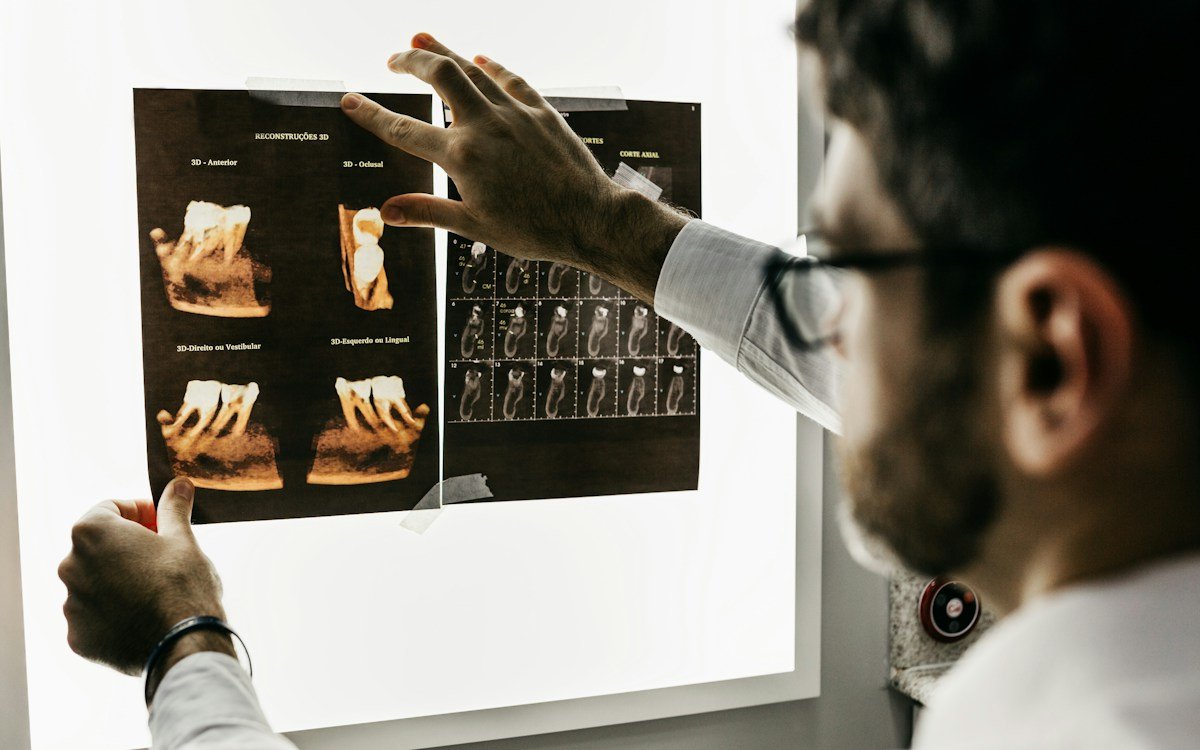
Figure 1: Pristine dental surgery suite following terminal decontamination and infection barrier protection meeting CQC Regulation 15 standards.
2. The Regulatory Framework: CQC, HTM 01-05 & Statutory Dental Hygiene Obligations
To establish a fully compliant cleaning regime, practice principals and practice managers must understand the interplay between British clinical regulations, infection prevention guidelines, and environmental sanitation standards.
A. CQC Regulation 15: Premises and Equipment Compliance
Under CQC Regulation 15, registered providers must ensure that premises are suitable for the purpose for which they are used, adequately maintained, and impeccably clean. During an inspection, CQC clinical inspectors examine:
- Visual Cleanliness and Environmental Dust Levels: Absence of dust, grime, and debris on horizontal surfaces, clinical worktops, light pelmets, high-level vents, and skirting boards across all clinical and non-clinical zones.
- Condition of Surface Finishes: All physical surfaces within treatment surgeries, including flooring, cabinetry, dental units, and walls, must be impervious, smooth, non-porous, and sealed to withstand continuous biocidal washdown without material degradation.
- Documented Cleaning Schedules and Logs: Written, signed, and dated daily cleaning records that detail specific tasks completed across every individual surgery, reception area, staff room, and patient washroom.
- COSHH Compliance and Chemical Safety: Full safety data sheets (SDS) and Control of Substances Hazardous to Health (COSHH) risk assessments for all clinical cleaning chemicals stored securely on-site in locked chemical storage cupboards.
B. Health Technical Memorandum (HTM) 01-05: Decontamination in Primary Care Dental Practices
Published by the Department of Health and Social Care, HTM 01-05 establishes the national benchmark for decontamination and infection control in primary care dental surgeries. It defines two distinct compliance tiers:
- Essential Quality Requirements (EQR): The baseline standard that every UK dental practice must meet to remain legally licensed. This mandates dedicated cleaning regimes, clean-to-dirty directional flows, validated autoclave cycles, and documented daily surgery wipe-down protocols.
- Best Practice: The gold standard of clinical governance, featuring separated Local Decontamination Units (LDUs) with physical partitioning between dirty wash zones and clean inspection/sterilisation rooms, automated washer-disinfectors, continuous data logging, and professional medical-grade environmental cleaning services.
| Regulatory Standard | Enforcing Authority | Operational Focus | Impact on Non-Compliance |
|---|---|---|---|
| CQC Regulation 15 | Care Quality Commission | Environmental hygiene, cleanliness logs, premises safety | Warning notices, special measures, practice deregistration |
| HTM 01-05 | NHS England / DHSC | Instrument decontamination, LDU airflow, surgery wipe-downs | Breach of NHS GDS/PDS contracts, clinical negligence claims |
| NPSA Colour Coding | National Patient Safety Agency | Segregation of mops, cloths, and buckets across zones | Severe cross-contamination findings during infection control audits |
| COSHH Regulations 2002 | Health and Safety Executive (HSE) | Chemical storage, Safety Data Sheets, ventilation, PPE | HSE improvement notices, corporate liability, employee compensation |
| Hazardous Waste Regulations 2005 | Environment Agency | Clinical waste consignment, sharps segregation, storage | Substantial statutory fines, environmental enforcement orders |
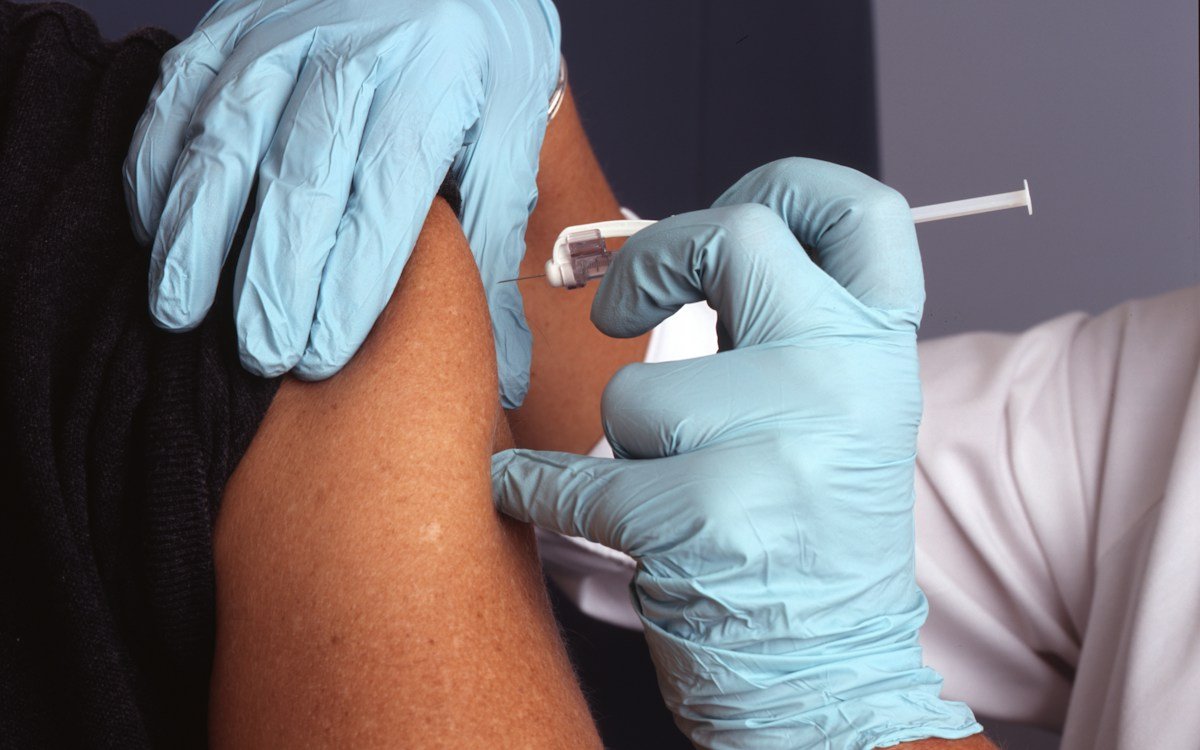
Figure 2: Hospital-grade virucidal wipe-down and high-touch surface barrier decontamination across dental operatory touchpoints.
3. The Clinical Zone: Dental Surgery Decontamination Architecture
The dental surgery room is a high-risk micro-environment. During routine restorative, endodontic, and ultrasonic periodontal procedures, high-speed dental handpieces produce fine aerosols containing water mist, saliva, oral microbes, and blood particles. Known as Aerosol Generating Procedures (AGPs), these clinical activities generate microbial fallout that settles across worktops, delivery units, dental chairs, and floor surfaces within a 2-metre radius of the patient chair.
A. Clinical Contact Zones vs Non-Contact Zones
Professional commercial cleaners working within dental surgeries must distinguish between clinical contact surfaces and environmental background surfaces:
- Clinical Contact Surfaces: Dental chair headrests, armrests, unit delivery arms, operating light handles, spittoons, curing lights, and dental cabinetry handles. While dental nurses execute rapid surface disinfection between patient appointments, commercial night cleaners perform comprehensive end-of-day chemical sanitisation using chlorine-dioxide, hydrogen-peroxide, or quaternary-ammonium formulations certified to BS EN 14476 (virucidal) and BS EN 13727 (bactericidal).
- Environmental Background Surfaces: Skirting boards, vinyl flooring, exterior cabinetry surfaces, computer keyboards, monitors, window sills, and radiation protection lead aprons. These surfaces must be cleaned nightly using damp microfibre systems to capture settled particulate matter without resuspending pathogens into the clinical air volume.
B. Spittoon and Suction Line Decontamination
Dental chair spittoons and high-volume aspirator suction housings accumulate saliva, amalgam debris, blood residue, and mouthwash particulates. End-of-day cleaning requires running non-foaming enzymatic vacuum line cleaners through the suction tubes to break down organic biofilms. Spittoons must be mechanically scrubbed using non-abrasive cream cleaners, followed by thermal or chemical disinfection, ensuring that amalgam separator traps are not disturbed by unauthorized cleaning personnel.
C. Clinical Vinyl and Coved Flooring Protocols
Carpeting is strictly prohibited within dental surgeries, decontamination rooms, and clinical corridors under HTM 01-05. Surgeries must feature continuous, slip-resistant, non-porous sheet vinyl with hot-welded joints and a minimum 100mm coved skirting along wall perimeters. Cleaning protocols require:
- HEPA Static Sweep: Dry static microfibre sweeping to remove hair, dental floss remnants, and dry debris without generating airborne dust clouds.
- Two-Bucket Moist Mopping: Utilizing yellow-coded double-bucket systems. The active solution bucket contains neutral clinical detergent or 1,000 ppm available chlorine solution; the second bucket collects dirty rinse water through a wringer to prevent soil re-deposition onto clinical floors.
- Periodic Mechanical Scrubbing: Quarterly rotary scrubbing with neutral cleaning agents to remove stubborn scuff marks from clinical operator stools and foot switches without damaging the vinyl’s polyurethane protective wear layer.
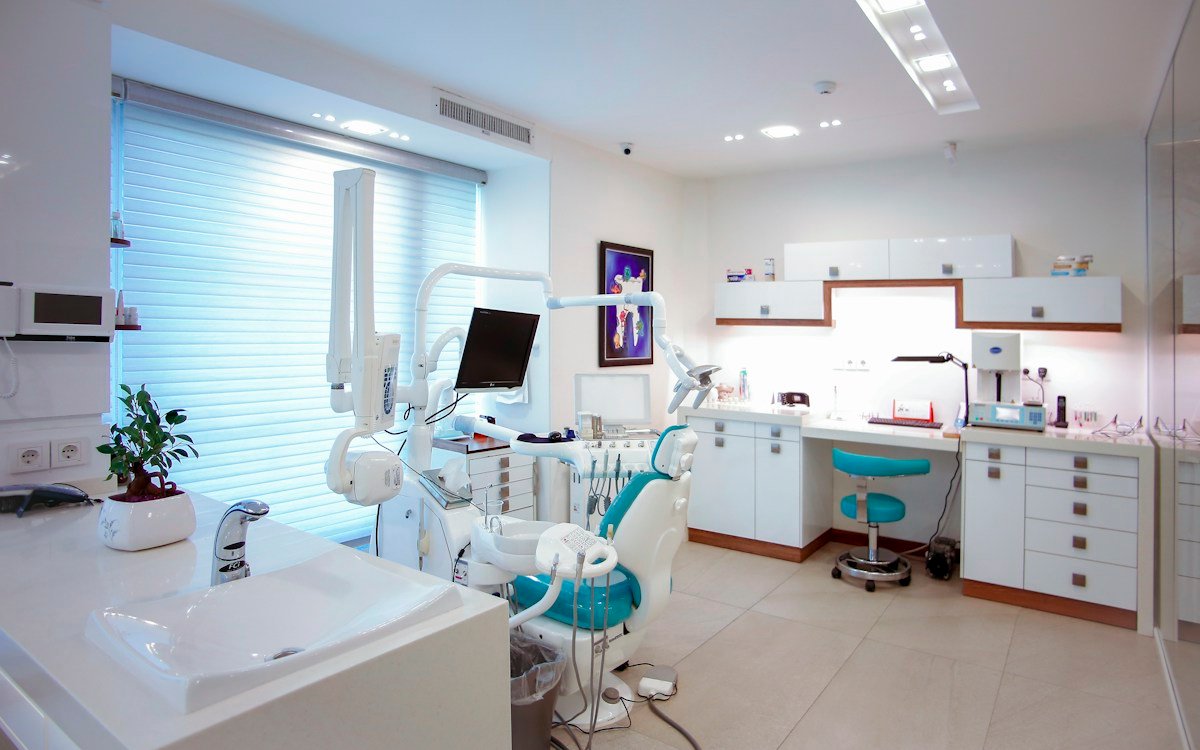
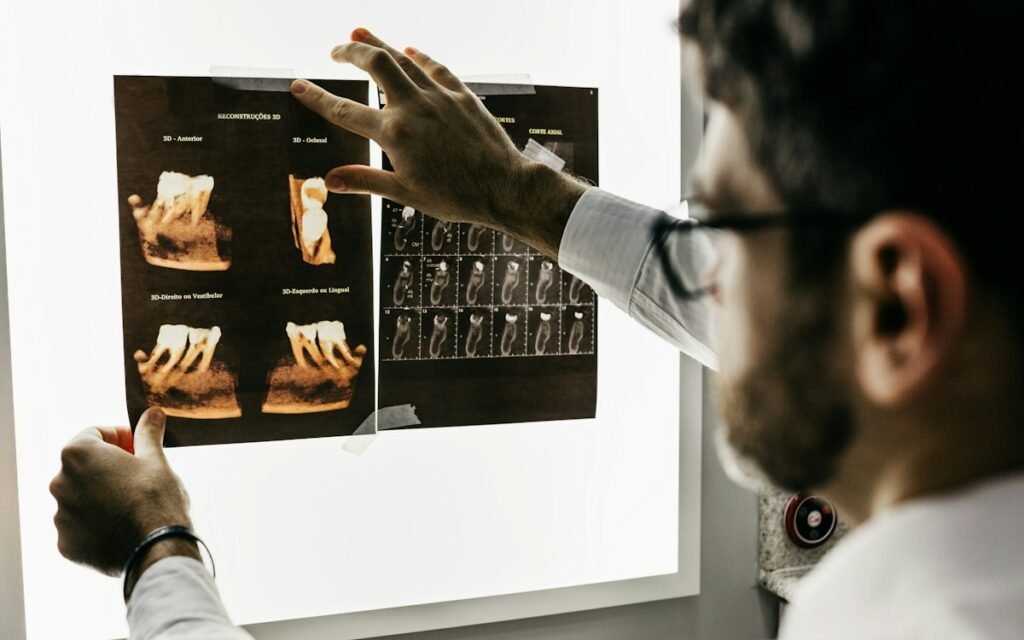
Figure 3: Sterile dental surgical instruments and autoclave tray staging processed under strict HTM 01-05 decontamination workflow criteria.
4. Decontamination Suites: Local Decontamination Unit (LDU) Protocols
The Local Decontamination Unit (LDU) is the operational core of dental instrument processing. Under HTM 01-05 Best Practice guidelines, LDUs feature a unidirectional dirty-to-clean layout to ensure that contaminated instruments never cross paths with sterilised packaging.
A. The Dirty Zone
The dirty zone receives used instrument trays, burs, and handpieces. Sinks in this zone are used for ultrasonic cleaning and manual scrubbing under water. Environmental cleaning in this area focuses on:
- Stainless steel splashback washdowns using neutral detergent to remove biological splatter.
- Scrubbing drain gullies and cleaning tap aerators where standing water can harbour bacterial biofilms.
- Decontaminating ultrasonic bath exteriors and inspection surfaces.
B. The Clean Zone
The clean zone houses autoclaves, pouched instrument drying racks, and clean storage cabinetry. Cleaning personnel must uphold strict hygiene integrity in this space:
- Wiping clean autoclave external panels, door seals, and printer housings with sterile alcohol or quaternary wipes.
- Dusting sterile instrument storage racks with lint-free microfibre cloths impregnated with anti-static disinfectant.
- Ensuring that cleaning cloths used in the dirty zone NEVER enter or touch the clean zone surfaces.
C. Directional Airflow & Extraction Vents
Decontamination suites rely on mechanical extract ventilation maintaining negative pressure in dirty zones and positive pressure in clean zones. Monthly cleaning schedules must include gentle vacuum extraction of HVAC grilles and exhaust louvres using microfibre HEPA nozzle attachments, preventing lint accumulation that compromises air exchange rates.
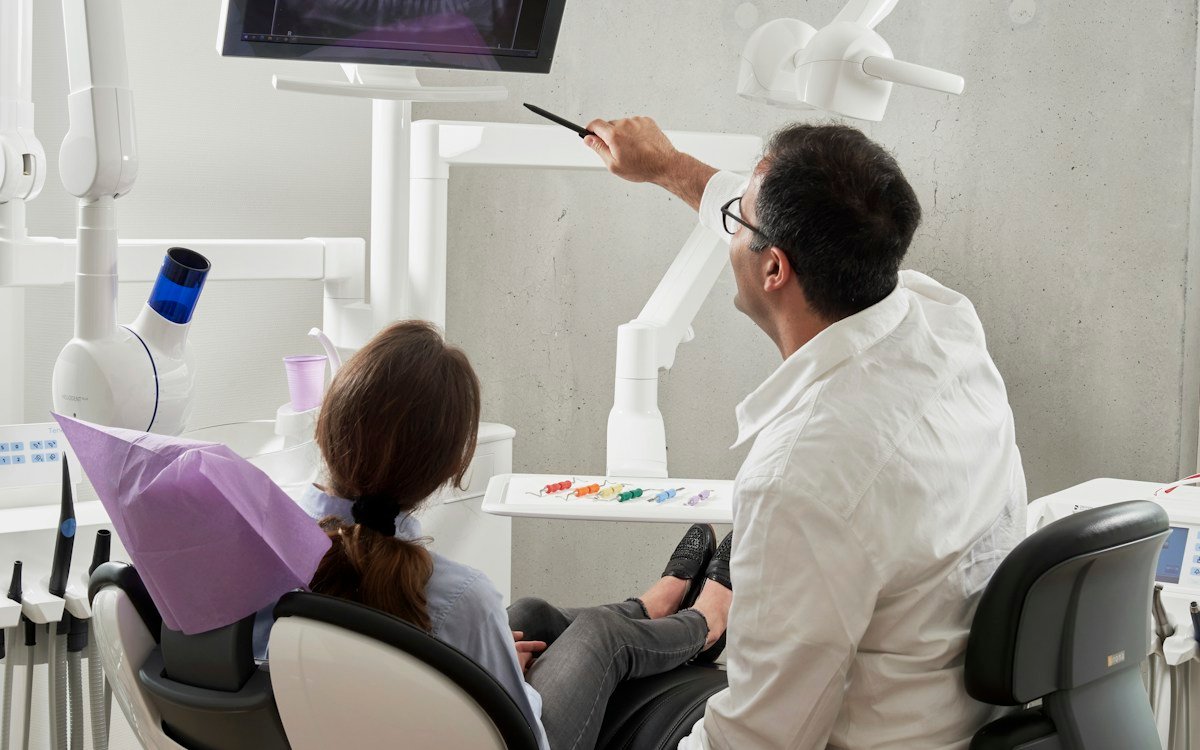
Figure 4: Clinical instrumentation staging and clean-zone boundary maintenance preventing cross-contamination in surgical suites.
5. National Patient Safety Agency (NPSA) Colour Coding in Dental Clinics
Cross-contamination between sanitary areas and clinical surgeries represents an intolerable risk in modern healthcare facilities. The National Patient Safety Agency (NPSA) colour coding standard provides a visual, foolproof mechanism ensuring that equipment used to clean toilets never contacts dental surgeries or public areas.
A. The Four Mandatory Colour Zones
1. Yellow Zone: Clinical Surgeries & LDUs
Designated Areas: Dental treatment rooms, surgery suites, decontamination rooms, instrument processing suites, and clinical sluice areas.
Equipment: Yellow mop handles, yellow mop heads, yellow wringer buckets, yellow microfibre cloths, yellow dustpans, and yellow rubber gloves. Strict rule: Yellow equipment must never leave the clinical treatment wing.
2. Red Zone: Washrooms & Sanitary Facilities
Designated Areas: Patient toilets, staff washrooms, baby changing facilities, shower rooms, and sanitary plumbing surrounds.
Equipment: Red mop handles, red buckets, red microfibre cloths, and red toilet brushes. Restricted entirely to toilet bowls, urinals, washroom mirrors, handwash basins, and sanitary floors.
3. Blue Zone: Reception, Waiting & Corridors
Designated Areas: Patient waiting lounges, reception desks, administrative offices, entrance foyers, and non-clinical stairwells.
Equipment: Blue mops, blue microfiber dusters, blue buckets, and blue vacuum attachments. Dedicated to low-risk general public and administrative surfaces.
4. Green Zone: Staff Kitchens & Dining Areas
Designated Areas: Staff canteens, kitchenettes, break rooms, dining tables, food storage areas, and staff refrigerators.
Equipment: Green cloths, green mops, green washing-up buckets, and green sponges. Reserved exclusively for food preparation counters, food sinks, and dining furniture.
B. Equipment Laundering and Maintenance Protocols
Under HTM 01-05 and BICSc healthcare guidelines, reusable cleaning cloths and mop heads must be thermally decontaminated after each shift. Dental cleaning contractors must either utilize high-grade single-use disposable colour-coded microfibres or launder reusable mops in commercial laundry cycles operating at 65 degrees Celsius for a minimum of 10 minutes, or 71 degrees Celsius for a minimum of 3 minutes. Mop heads must never be left wet in buckets overnight; moist equipment fosters rapid bacterial growth that turns cleaning gear into microbial vectors.
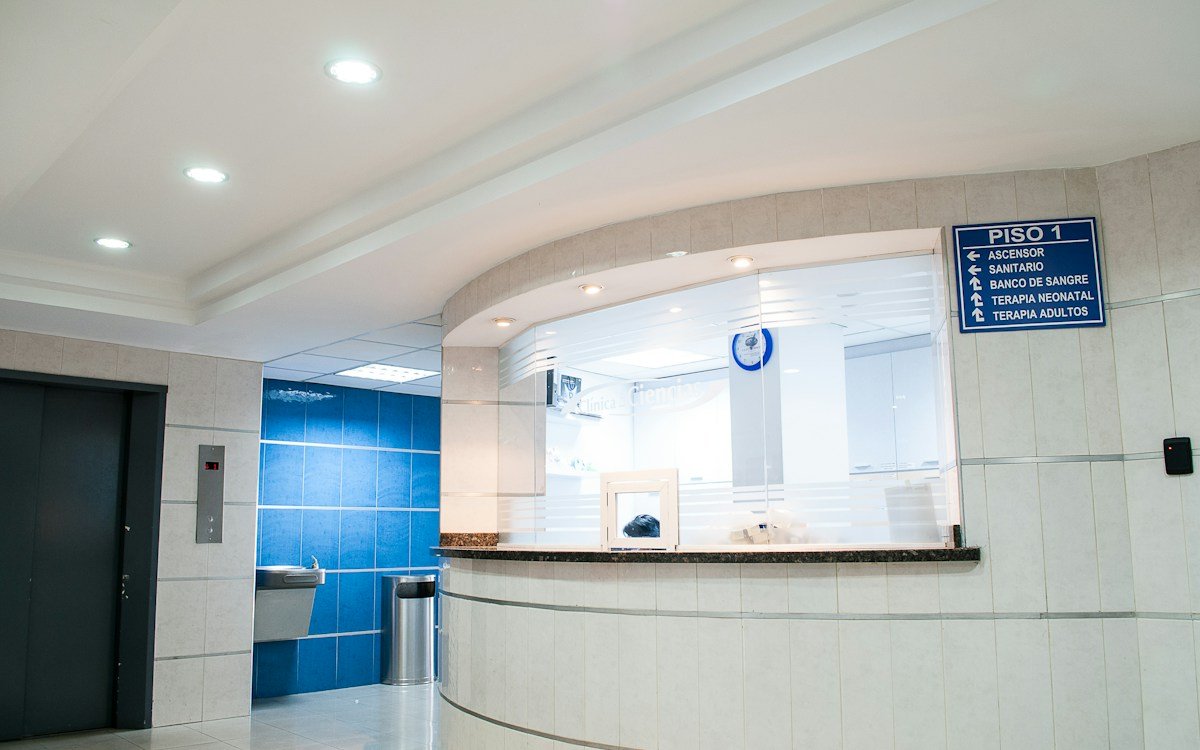
Figure 5: Immaculate patient reception lounge delivering high aesthetic presentation and reassuring hygiene standards for visiting patients.
6. Commercial Dental Cleaning Contract Pricing & Service Level Agreements
Dental practice cleaning contracts are priced reflecting clinical risk, specialised chemical requirements, auditable logbook governance, and vetted healthcare cleaning operatives. Unlike basic domestic or general office cleaning, commercial dental contracts provide practice owners with legal indemnity, COSHH documentation, and auditable proof of CQC compliance.
A. Commercial Dental Contract Pricing Matrix (UK Averages)
Below is an authoritative operational breakdown of commercial dental cleaning contract pricing across the UK:
| Practice Facility Size | Typical Monthly Cost | Service Schedule | Included Scope of Work |
|---|---|---|---|
| Single-Surgery Boutique Dental Clinic | £380 – £550 / month | 3 days / week (1.5 hours / visit) | Full surgery floor mopping, worktop wipe-down, waiting room, staff WC, daily sign-off log |
| 2 to 3 Surgery NHS / Private Practice | £680 – £1,100 / month | 5 days / week (2 to 2.5 hours / visit) | Full clinical surgery decontamination, LDU clean/dirty zones, patient reception, clinical waste checks |
| 4 to 6 Surgery Multi-Chair Clinic | £1,400 – £2,200 / month | 5 to 6 days / week (3 to 4 hours / visit) | Dedicated supervisor, full clinical suites, central sterilisation department, washrooms, staff facilities |
| Large Dental Hospital / Training Academy | £2,600 – £4,500+ / month | 7 days / week (day porter + evening team) | Continuous daytime spill response, comprehensive night clinical deep cleaning, ATP hygiene audits |
B. Crucial Elements in a Dental Cleaning Service Level Agreement (SLA)
When entering into a commercial agreement with a healthcare cleaning contractor, dental practice managers should ensure the contract explicitly includes:
- Enhanced DBS Vetted Staff: Cleaners must hold valid Disclosure and Barring Service (DBS) certificates, given access to secure clinical spaces, confidential patient files, and pharmaceutical stores.
- Hepatitis B Immunisation Verification: Cleaning personnel working in clinical dental environments should have verified Hepatitis B vaccination or immunity records, protecting both staff and practice against sharps injuries and blood exposure incidents.
- Adenosine Triphosphate (ATP) Bioluminescence Swab Audits: Leading dental contractors provide monthly or quarterly ATP surface testing. ATP swabs measure biological residue on dental chairs and worktops in Relative Light Units (RLUs), providing scientific, quantifiable evidence of cleanliness that can be directly presented to CQC inspectors.
- Indemnity Insurance: Minimum £5,000,000 Public Liability and Employers’ Liability insurance with specific endorsements for clinical healthcare premises and biohazard handling.
7. Detailed Surgery-by-Surgery Cleaning Protocols & Clinical Checklists
To eliminate ambiguity, a compliant dental cleaning regime must establish unambiguous daily, weekly, and monthly operational checklists.
A. Daily End-of-Day Surgery Checklist
- Step 1: Clinical Waste Check: Inspect clinical pedal bins. Ensure orange or yellow clinical sacks are sealed, tagged, and transferred to the external locked clinical waste store. Replace bins with fresh clinical liners.
- Step 2: Surface Pre-Clean: Remove visible soil from non-critical surfaces using disposable neutral detergent wipes.
- Step 3: Clinical Biocidal Washdown: Apply BS EN 14476 virucidal disinfectant to all horizontal worktops, cabinetry doors, and dental chair surfaces, maintaining the manufacturer’s required wet contact time (typically 60 to 120 seconds).
- Step 4: Basin and Sink Scrub: Clean clinical handwash basins with non-abrasive biocidal cleaner. Rinse and polish chrome lever taps; inspect waste trap for drainage flow.
- Step 5: High-Touch Point Sanitisation: Wipe room light switches, door handles, computer mouse and keyboards, chair control buttons, and telephone handsets with alcohol-based sanitiser wipes.
- Step 6: Clinical Floor Mop: Vacuum with HEPA filtration unit. Follow with yellow-coded double-bucket damp mopping using approved biocidal floor cleaner from the furthest point in the surgery toward the exit door.
- Step 7: Logbook Signature: Enter operative name, date, completion time, and any maintenance anomalies into the practice CQC environmental hygiene register.
B. Weekly Clinical Maintenance Checklist
- High-Level Dusting: Wipe tops of wall-mounted dental cabinets, X-ray arm articulators, high-level pelmets, and emergency exit signs with static microfibre duster.
- Window Sills and Venetian Blinds: Damp dust window sills and wipe clean horizontal blind slats to prevent dust buildup near open surgery windows.
- Chair Base and Mechanism Detailing: Clean hydraulic dental chair bases, lift bellows, and floor foot-control switches of scuffs and dust accumulation.
- Chemical Store Audit: Inspect chemical containment trays in cleaning cupboard, replenish colour-coded microfiber cloths, and ensure all containers display legible COSHH labels.
C. Monthly and Periodic Deep Cleaning
- Vinyl Floor Stripping and Resealing: High-speed scrubbing and application of matte anti-slip acrylic sealers on clinical vinyl to preserve impervious barrier integrity.
- HVAC and Grille Extraction: Vacuum and wipe supply and extract air grilles in LDUs and surgeries to prevent lint accumulation.
- ATP Swab Environmental Audit: Take 10 benchmark ATP swabs across dental chairs, LDU worktops, and waiting room arms; record benchmark RLU scores in the practice clinical governance dossier.
8. Patient Waiting Areas, Reception & Front-of-House Hygiene
While treatment rooms dictate clinical compliance, the reception foyer and waiting room directly determine patient perception and trust. Patients intuitively judge the clinical safety of a dental practice by the cleanliness of its front-of-house facilities.
A. Reception Desks and Payment Terminals
The patient reception counter is a major respiratory and tactile contact nexus. Reception desks should be cleared of excessive paperwork and wiped down three times daily with blue-coded microfiber cloths. Payment PIN pads, check-in touchscreens, and reception pens should be disinfected continuously throughout morning and afternoon clinics to prevent viral transmission among arriving patients.
B. Waiting Room Seating and Flooring
Fabric upholstery in healthcare waiting rooms is increasingly flagged during CQC infection control audits because porous textiles cannot be chemically disinfected. Dental practices must utilize vinyl, polyurethane, or wipeable faux-leather seating. Commercial cleaners wipe seating arms and vinyl cushions daily using neutral detergent. Carpeted waiting lounges require daily upright commercial vacuuming with HEPA filtration to extract outdoor soil and dust mites, combined with semi-annual hot-water extraction deep cleaning.
C. Children’s Play Areas and Literature Racks
Under modern clinical infection guidance, soft toys, fabric games, and communal paper magazines should be minimized or removed from dental waiting rooms. Where wooden or hard plastic toys are provided, they must be immersed daily in warm detergent and disinfectant solutions, rinsed thoroughly, and dried before the morning clinic commences.
9. Advanced Waterline Biofilms, Legionella & Pseudomonas Management (HTM 04-01)
Dental Unit Waterlines (DUWLs) present unique microbiological risks. Due to the narrow bore of plastic tubing supplying dental handpieces and ultrasonic scalers (internal diameter typically 1 to 2 millimetres), combined with low flow rates and periods of water stagnation, bacterial biofilms develop rapidly along inner lumen walls. In unmanaged dental water systems, planktonic bacterial counts can easily exceed 100,000 colony-forming units per millilitre (CFU/ml), posing severe inhalation and ingestion risks to immunocompromised dental patients.
A. HTM 04-01 Pseudomonas and Legionella Thresholds
Under HTM 04-01 (Safe water in healthcare premises) and HTM 01-05 recommendations, dental practice water quality must conform to strict microbiological criteria:
- Total Viable Count (TVC): Water supplied to dental instruments must maintain a TVC of less than 100 to 200 CFU/ml at 22 degrees Celsius and 37 degrees Celsius, matching national potable drinking water parameters.
- Legionella pneumophila: Must be completely undetectable (0 CFU/L) in all clinical taps, eyewash stations, and dental chair water feeds.
- Pseudomonas aeruginosa: Must be non-detectable in clinical scrub sinks, instrument washing basins, and rinse water supplies.
B. Chemical Disinfection & Waterline Purging Protocols
Commercial dental hygiene contractors assist clinical teams by executing and documenting rigorous waterline hygiene support protocols:
- Morning Purge: Running all waterline lines and 3-in-1 syringes for a minimum of 2 minutes before the first patient arrival to clear overnight stagnation.
- Inter-Patient Flush: A 20-to-30 second purge between patients to expel any oral fluids that may have retracted into line tips.
- Weekly Biocidal Shock Treatment: Purging lines with approved continuous or periodic dosing biocides (such as stabilized hydrogen peroxide, silver ion complexes, or hypochlorous acid) to dissolve adhered biofilm matrices without corroding internal valve seals.
- Dip-Slide Testing Logs: Documenting monthly TVC dip-slide incubation results within the practice water safety folder to demonstrate compliance during statutory CQC reviews.
10. Chemical Disinfection Science, BS EN Testing Standards & COSHH Governance
Selecting cleaning formulations for a clinical dental practice cannot be based on standard commercial janitorial products. Cleaning agents must possess verified bactericidal, virucidal, fungicidal, and sporicidal efficacy backed by accredited European Norm (BS EN) laboratory testing certificates.
A. Core British & European Standards for Healthcare Disinfectants
| European Standard | Target Pathogen Class | Required Log Reduction | Clinical Application in Dental Practice |
|---|---|---|---|
| BS EN 1276 | Bactericidal (Gram+ and Gram-) | Log 5 (99.999% kill in 5 mins) | General environmental surfaces, waiting room desks, corridor floors |
| BS EN 13727 | Medical Area Bactericidal | Log 5 under dirty clinical conditions | Surgery worktops, delivery trays, spittoons, instrument handling zones |
| BS EN 14476 | Virucidal (Enveloped & Non-Enveloped) | Log 4 (99.99% kill in 60-120 secs) | Mandatory for AGP aerosol fallout, chair arms, suction exteriors |
| BS EN 13697 | Surface Bactericidal & Fungicidal | Log 4 without mechanical wiping action | Clinical non-porous vinyl floors and stainless steel splashbacks |
| BS EN 13704 | Sporicidal (Clostridioides difficile) | Log 3 (99.9% bacterial spore kill) | Terminal clinical deep cleaning and outbreak decontamination |
B. Chemical Dilution Control & Contact Time Physics
A frequent finding in failed CQC environmental audits is the failure of cleaning personnel to observe manufacturer-mandated chemical contact times. Disinfectants do not sterilise on instantaneous contact. Spraying a clinical biocidal formulation and wiping it off within 5 seconds leaves active bacterial and viral colonies intact on surgery worktops.
Professional healthcare cleaners are trained in contact-time chemistry: surfaces must remain visibly wet with the active chemical film for the validated test duration (typically 60 seconds for alcohol or quaternary formulations, and up to 5 minutes for chlorine solutions). In addition, commercial automated chemical dispensing units eliminate manual “glug-glug” dilution errors, guaranteeing exact parts-per-million (PPM) concentration ratios that preserve antimicrobial efficacy while preventing sticky chemical residue buildup on clinical vinyl floors.
11. Amalgam Safety, Sharps Protocols & Hazardous Waste Management
Dental surgeries generate distinct hazardous waste streams requiring strict segregation under the Hazardous Waste Regulations 2005 and Environmental Protection Act 1990. Commercial cleaners operating in dental facilities must be trained to recognize hazardous materials and adhere to safety containment protocols.
A. Sharps Safety and Accidental Needle-Stick Protocols
Dental treatment involves local anaesthetic needles, suture blades, matrix bands, and sharp orthodontic wires. While clinical staff are responsible for discarding sharps into yellow-lidded UN-approved rigid sharps containers at the chairside, cleaning personnel face occupational risks from misplaced sharps on floors or inside clinical waste sacks.
- No Manual Waste Compression: Cleaners must never press down on waste sacks with hands or feet. Clinical sacks must be lifted away from the body by holding the gathered neck only.
- Puncture-Resistant Heavy-Duty Gloves: Clinical cleaners wear nitrile gloves certified to BS EN 388 (mechanical puncture resistance) beneath outer disposable gloves when handling clinical waste.
- Immediate Sharps Incident Procedure: If an operative encounters an unshielded needle or blade, work stops immediately; the object is isolated using forceps or dustpans (never bare fingers), and the incident is entered into the practice RIDDOR accident book.
B. Dental Amalgam and Mercury Hygiene
Under the EU Mercury Regulation retained in UK law, all dental practices must be equipped with amalgam separators retaining at least 95% of amalgam particles. Cleaners must be explicitly instructed never to pour waste amalgam residue down regular sinks or floor drains. Spittoon traps and suction filters must only be handled by trained dental nurses, preventing toxic mercury vapour exposure to commercial cleaning staff.
12. In-House Dental Nurses vs Commercial Healthcare Cleaning Contractors
Many practice principals grapple with the operational decision of whether to delegate end-of-day surgery cleaning to their in-house dental nursing team or contract a dedicated commercial healthcare cleaning company. A rigorous cost-benefit and clinical risk analysis reveals substantial advantages in commercial outsourcing.
A. Clinical Nurse Burnout and Opportunity Cost
Trained dental nurses represent valuable, highly qualified clinical assets. Requiring dental nurses to stay late after long clinical sessions to vacuum waiting rooms, mop dirty stairwells, and scrub staff toilets directly fuels nurse fatigue, low morale, and high staff turnover. In parallel, the hourly wage rate of an experienced GDC-registered dental nurse (typically £14 to £18+ per hour) makes using clinical personnel for basic janitorial tasks economically inefficient compared to commercial contract rates.
B. The Objectivity of Third-Party Compliance Auditing
When in-house staff clean their own surgeries, familiarity breeds complacency. Subconscious shortcuts occur: high-level vents are overlooked, chemical contact times are truncated, and logbooks are pre-signed. An external commercial cleaning partner introduces objective, accountable oversight:
- Independent area managers conduct monthly quality assurance spot checks.
- Digital QR-code attendance systems track exact operative check-in and check-out timestamps.
- Comprehensive ATP swab testing provides undeniable scientific records that protect the practice during unexpected CQC inspections.
- Guaranteed sickness and holiday cover ensures the practice is never left uncleaned due to nurse absences.
13. CQC Inspection Day Preparation: Environmental Audit Checklist
When the CQC announces a formal inspection, or during surprise unannounced visits, the practice manager should immediately execute this rapid environmental readiness protocol:
- Verify the Cleaning Dossier: Ensure the environmental hygiene folder is positioned at reception, containing the last 12 months of signed daily cleaning logs, monthly manager audit sheets, and COSHH safety assessments.
- Inspect Chemical Cupboards: Check that the cleaning store is locked, chemical bottles display legible original manufacturer labels, and Safety Data Sheets are mounted inside the cabinet door.
- Audit NPSA Colour Segregation: Ensure yellow, red, blue, and green mop heads, buckets, and cloths are stored on separate wall-mounted brackets with zero cross-contact.
- Check Surgery Baseboards & Vents: Conduct a white-glove inspection across surgery skirting boards, chair bases, and HVAC return grilles to eliminate any visible dust settlement.
- Verify Washroom Consumables: Ensure touchless anti-microbial soap dispensers, paper towel holders, and foot-pedal sanitary bins are fully stocked and operational.
14. Real-World Clinical Case Studies: CQC Turnarounds Across UK Dental Practices
Examining practical interventions illustrates how specialised healthcare cleaning services eliminate regulatory vulnerability and restore full compliance across primary dental clinics.
A. Case Study 1: London Multi-Surgery Practice Overcomes CQC Warning Notice
Practice Profile: A busy 4-surgery NHS and private dental practice located in Greater London serving over 8,500 registered patients.
The Regulatory Challenge: Following an unannounced CQC inspection, the practice received a formal Warning Notice under Regulation 15. Inspectors identified significant environmental non-compliance: dust accumulation along surgery light pelmets, stained grout along clinical splashbacks, unmonitored chemical dilution in the cleaner’s cupboard, and incomplete daily cleaning records dating back three months. In addition, the practice was relying on in-house dental nurses to clean surgeries after closing, resulting in rushed procedures and omitted touchpoint disinfection.
The Commercial Cleaning Intervention:
- Deployment of a dedicated two-person evening healthcare cleaning team certified in BICSc healthcare standards and NPSA colour coding.
- Execution of an initial weekend terminal clinical deep clean, including rotary floor scrubbing, hot-water steam extraction of grout lines, and HEPA vacuuming of all high-level ceiling grilles and pelmets.
- Installation of wall-mounted automated chemical dilution systems dispensing BS EN 14476 virucidal and BS EN 13727 bactericidal solutions.
- Implementation of a digital QR-code compliance logbook requiring operatives to scan surgery door tags and record completion of individual clinical touchpoints.
CQC Re-Inspection Outcome: Upon re-inspection six weeks later, CQC inspectors commended the practice for its exceptional environmental hygiene turnaround. The Warning Notice was lifted, the practice achieved a “Good” rating across all five KLOE domains, and practice nurses reported marked improvements in job satisfaction and clinic morale.
B. Case Study 2: Birmingham Private Implant & Orthodontic Centre Achieves Best Practice
Practice Profile: A prestigious private orthodontic and surgical implant centre in Birmingham operating 3 surgical suites and a dedicated central Local Decontamination Unit (LDU).
The Clinical Challenge: As an advanced surgical provider performing complex implantology and bone grafting, the practice principal sought to transition the facility from HTM 01-05 Essential Quality Requirements to full HTM 01-05 Best Practice status, requiring verifiable, auditable pathogen control and third-party hygiene validation.
The Commercial Cleaning Intervention:
- Establishment of a 6-day evening cleaning schedule utilizing high-efficiency particulate air (HEPA) filtration vacuum systems to maintain pristine air particle counts.
- Introduction of monthly Adenosine Triphosphate (ATP) bioluminescence surface swab audits. Swabs were gathered across 12 high-contact surgery points (including dental unit delivery arms, light handles, and LDU dirty-zone counters) to provide scientific benchmark data.
- Rigorous enforcement of NPSA colour coding with separate locked chemical containment units for clinical and non-clinical zones.
Clinical & Commercial Results: The practice successfully achieved formal Best Practice accreditation from the local health authority. Surface ATP swab results consistently averaged below 15 Relative Light Units (RLUs), far surpassing the healthcare cleanliness benchmark of 50 RLUs. The practice now leverages its documented clinical hygiene standard as a core marketing asset for prospective private implant patients.
C. Case Study 3: Manchester Community Dental Clinic Rectifies Cross-Contamination Hazards
Practice Profile: A dual-surgery community dental clinic in Manchester treating paediatric, special care, and general dental patients.
The Challenge: An internal clinical governance audit revealed severe equipment cross-contamination: domestic mop heads were being stored damp in plastic buckets, a single vacuum cleaner without HEPA filtration was being moved between staff washrooms and treatment rooms, and cleaning personnel lacked verified Hepatitis B immunisation records.
The Commercial Cleaning Intervention:
- Complete withdrawal of all non-compliant domestic cleaning tools and immediate installation of an NPSA colour-coded wall-bracket storage system in a newly designated, locked janitorial store.
- Provision of Enhanced DBS-checked, Hepatitis B vaccinated commercial cleaning operatives with ongoing CPD infection control training.
- Transition to single-use, colour-coded microfibre mop heads and cloths, eliminating bacterial incubation in wet laundry buckets.
Audit Outcome: The follow-up infection control audit recorded a 100% compliance score. Cross-infection risks were effectively eradicated, ensuring a safe, hygienic environment for vulnerable patients and staff.
15. Frequently Asked Questions (FAQs): Dental Practice Cleaning in the UK
Can regular office cleaners clean a dental practice?
No. Standard domestic or office cleaning contractors do not possess the specialised clinical training required to satisfy CQC Regulation 15 and HTM 01-05 standards. Untrained cleaners routinely cause severe cross-contamination by using the wrong colour-coded equipment across sanitary and clinical zones, fail to adhere to required biocidal contact times, lack Hepatitis B immunisation, and cannot provide auditable logbooks necessary to pass healthcare inspections.
How often must a dental surgery be cleaned?
Dental treatment rooms require dual-level cleaning: dental nurses perform rapid clinical contact point wipe-downs between each individual patient appointment, while professional commercial healthcare cleaners execute comprehensive environmental cleaning at the close of every working day (5 to 6 days per week). Common areas, reception, and patient washrooms also require daily comprehensive cleaning.
What is the difference between Essential Quality Requirements and Best Practice in HTM 01-05?
Essential Quality Requirements (EQR) represent the legal minimum standard for primary dental practices to operate in the UK, requiring dedicated surgery cleaning, validation of autoclaves, and recorded logs. Best Practice is the ultimate clinical benchmark, requiring a physically separate Local Decontamination Unit with dedicated dirty-to-clean directional airflow, automated washer-disinfectors, and independent third-party environmental hygiene audits.
What cleaning chemicals are approved for dental surgery floors?
Clinical vinyl floors in dental surgeries must be cleaned using neutral pH hospital detergents or stabilized chlorine solutions delivering 1,000 ppm available chlorine (such as sodium hypochlorite or sodium dichloroisocyanurate). In clinical areas where blood spills have occurred, an immediate 10,000 ppm chlorine solution is required. Cleaning solutions must be certified to British and European standards BS EN 1276 (bactericidal), BS EN 14476 (virucidal), and BS EN 13697.
What documentation do CQC inspectors look for during a dental hygiene audit?
CQC inspectors examine five core documentation files: 1) Daily signed cleaning checklists for every room; 2) COSHH safety assessments and Safety Data Sheets for all on-site chemicals; 3) Staff training records covering infection control, blood-borne pathogens, and NPSA colour coding; 4) Enhanced DBS and Hepatitis B vaccination records for all cleaners; and 5) Quantitative cleanliness audit reports such as periodic ATP surface swab testing logs.