
1. Executive Summary: The Economics of Commercial Cleaning Procurement in the UK
Procuring professional cleaning services represents one of the most critical operational commitments undertaken by commercial facility directors, property managers, and procurement leads across the United Kingdom. Whether managing a single regional office suite in Nottingham, a multi-storey corporate headquarters in Birmingham, or an expansive business park facility spanning several thousand square metres in Leicester, maintaining pristine, hygienic workspaces is fundamental to brand integrity, employee productivity, and statutory health compliance.
Yet, navigating the commercial facilities marketplace often presents substantial confusion. Commercial cleaning quotes submitted for the exact same commercial premises can vary by as much as 40 to 60 percent between competing contractors. One cleaning company might quote £18.50 per hour while another quotes £25.00 per hour for what appears on the surface to be identical scope. Understanding what accounts for these pricing discrepancies is essential for business leaders tasked with securing high-quality, dependable cleaning services without exposing their organisations to regulatory vulnerabilities, service failures, or unexpected hidden fees.
In modern British facilities management, commercial cleaning is governed by direct economic fundamentals. Between 75 percent and 85 percent of every pound spent on commercial cleaning contracts directly funds labour. The remainder must cover statutory employer contributions, holiday pay, pension provisions, mandatory health and safety supervision, specialised cleaning machinery depreciation, British Institute of Cleaning Science (BICSc) colour-coded materials, and certified eco-friendly chemical concentrates. When quotes appear unusually cheap, savings are invariably extracted by suppressing operative wages, cutting supervisory hours, neglecting staff training, or failing to maintain statutory compliance.
This comprehensive commercial guide provides facility executives, building managers, and operations directors with complete commercial transparency. We examine current UK commercial cleaning company rates, deconstruct average hourly charges across regional commercial hubs, evaluate the true cost of daily office cleaning by square footage, explain TUPE employment transfer liabilities, and present actionable procurement checklists. Armed with these insights, your organisation can evaluate commercial cleaning quotes with complete precision, securing exceptional workplace presentation and lasting commercial value.
Figure 1: Transparent commercial cleaning quotes balance skilled labour, modern floor care equipment, and rigorous supervisory standards across UK commercial premises.
2. How Commercial Cleaning Quotes Are Structured and Calculated
Professional commercial cleaning contractors do not guess prices or pluck hourly rates from thin air. Reputable cleaning companies employ structured operational estimation models built upon physical site measurements, operational production rates, hygiene risk profiling, and loaded labour costs. When requesting commercial cleaning quotes in the UK, facility managers will encounter three primary pricing structures:
A. The Hourly Rate Model
The hourly rate model is the most common pricing framework utilized for commercial office spaces, professional practices, and small-to-medium enterprise facilities. Under this arrangement, the contractor charges an agreed flat rate for every operative hour delivered on site (for example, £19.50 per hour). If your premises require 3 hours of cleaning per evening, 5 days per week, the monthly billing reflects the agreed hourly rate multiplied by the total hours worked across the calendar month.
- Primary Advantages: High transparency; easy to verify against clock-in systems; simple to scale hours up or down when office attendance fluctuates.
- Potential Drawbacks: Focuses purely on operational inputs (time spent on site) rather than cleaning output standards. Without effective supervisory management, operatives may work slowly to fill assigned hours.
B. The Square Metre (£/m²) or Square Foot Pricing Model
Commonly deployed across expansive commercial developments, logistics hubs, open-plan corporate trading floors, and high-footfall communal circulation areas, this structure establishes a baseline cleaning cost per square metre per annum or per visit. The contractor evaluates the floor plan, surface finishes (carpet tile, polished concrete, vinyl, or natural stone), and furniture density to assign an operational cleaning cost per square metre.
- Average UK Rates: Routine commercial office floor cleaning typically ranges between £0.12 and £0.35 per square metre per clean, depending upon desk density, partition layouts, and pedestrian traffic volumes. Periodic deep scrubbing or machine carpet extraction is quoted separately, usually between £1.50 and £4.00 per square metre.
- Primary Advantages: Straightforward budgeting for large property portfolios; allows facility directors to benchmark cleaning costs directly against overall estate operational expenditures.
- Potential Drawbacks: Does not easily accommodate irregular, high-intensity micro-environments such as high-occupancy executive washrooms, shower suites, or presentation boardrooms that require intensive detailing disproportionate to their floor area.
C. The Fixed Monthly or Annual Lump-Sum Contract (Output-Based)
The preferred model for enterprise corporations, institutional premises, and multi-tenant commercial offices. The cleaning contractor undertakes a comprehensive physical site survey and commits to maintaining the facility to a defined specification and Service Level Agreement (SLA) for an agreed, fixed monthly invoice (for instance, £2,850 plus VAT per calendar month).
- Primary Advantages: Total budget certainty; shifts the operational efficiency burden onto the contractor. If an operative takes longer to achieve the required standard, the client incurs no additional charges. The contractor is incentivised to invest in advanced machinery (such as battery-powered scrubber driers and microfibre flat-mop systems) to maximize cleaning productivity.
- Potential Drawbacks: Requires a tightly drafted, measurable cleaning specification. If the client expands office occupancy or introduces new functional areas without adjusting the contract scope, service disputes can arise.
The Scientific Estimator’s Calculation Formula
To establish an accurate commercial quote, professional estimators calculate cleaning resource requirements using the following standard industry formula:
Once total weekly hours are established, the contractor applies the loaded labour rate (covering gross pay, employer taxes, pension, and insurance) and adds overheads, machinery amortisation, consumable supplies, and commercial profit margin to arrive at the final contract quotation.
3. Average UK Commercial Cleaning Company Rates & Hourly Benchmarks
Commercial cleaning rates vary across the UK based on local labour market dynamics, transport infrastructure, living wage commitments, and regional commercial property overheads. To provide a clear procurement benchmark, the matrix below outlines current standard commercial cleaning company rates across major British regions.
| UK Geographic Region | Standard Daytime Office Rate (per hour) | Evening / Early Morning Rate (per hour) | Weekend / Night Shift Rate (per hour) | Specialist Machine Deep Clean Rate (per hour) |
|---|---|---|---|---|
| London (Inner & Central) | £23.50 – £29.00 | £22.00 – £27.50 | £26.50 – £34.00 | £35.00 – £48.00 |
| London (Outer M25 Collar) | £21.00 – £26.00 | £20.00 – £25.00 | £24.00 – £30.00 | £32.00 – £42.00 |
| East Midlands (Nottingham, Derby, Leicester) | £18.50 – £23.00 | £18.00 – £22.50 | £22.00 – £27.00 | £28.00 – £38.00 |
| West Midlands (Birmingham, Coventry) | £19.00 – £24.00 | £18.50 – £23.50 | £22.50 – £28.00 | £29.00 – £40.00 |
| North West (Manchester, Liverpool) | £19.00 – £24.00 | £18.50 – £23.00 | £22.50 – £28.50 | £29.00 – £39.00 |
| Yorkshire & North East (Leeds, Sheffield, Newcastle) | £18.00 – £22.50 | £17.50 – £22.00 | £21.50 – £26.50 | £28.00 – £36.00 |
| South West (Bristol, Bath, Exeter) | £19.50 – £24.50 | £19.00 – £24.00 | £23.00 – £29.00 | £30.00 – £40.00 |
| Scotland (Edinburgh, Glasgow) | £19.00 – £24.00 | £18.50 – £23.50 | £22.50 – £28.00 | £29.00 – £38.00 |
Notice the pricing tiers reflect operational realities. Night shifts and weekend rotas carry mandatory unsocial-hours wage premiums to attract reliable, vetted staff. Specialist deep cleaning services, which require heavy industrial machinery (such as rotary floor buffers, hot water extraction machines, and high-filtration HEPA systems), command higher rates to account for advanced operative certifications, hazardous chemical handling, and equipment capital depreciation.
Figure 2: Transparent commercial cleaning contracts define clear labour allocations, supervisory audits, and equipment maintenance schedules.
4. Anatomy of an Hourly Rate: Where Does Your Cleaning Budget Actually Go?
A frequent question asked by procurement professionals is: “If the statutory minimum wage is approximately £11.44 to £12.00 per hour, why does a commercial cleaning contractor quote £20.00 or £22.00 per hour?”
Understanding the statutory and operational cost build-up is vital. A professional cleaning contractor operating in complete compliance with British employment and taxation laws incurs significant mandatory overheads on every single hour delivered. Consider the financial breakdown of a compliant £20.50 per hour commercial cleaning charge in the Midlands:
| Cost Component | Cost per Hour (£) | Percentage of Total | Statutory Basis & Operational Purpose |
|---|---|---|---|
| Direct Operative Wage (Base Pay) | £11.75 – £12.60 | 58.5% | Meeting or exceeding the National Living Wage / Real Living Wage to ensure staff retention and reduce turnover. |
| Employer National Insurance (Class 1) | £1.15 – £1.45 | 6.5% | Mandatory statutory tax payable to HMRC on earnings above the secondary threshold. |
| Statutory Holiday Pay Accrual | £1.42 – £1.55 | 7.3% | Statutory entitlement under Working Time Regulations 1998 (5.6 weeks paid annual leave / 12.07% accrual factor). |
| Workplace Pension Auto-Enrolment | £0.35 – £0.45 | 2.0% | Statutory employer contribution (minimum 3% of qualifying earnings) under the Pensions Act 2008. |
| Relief Cover & Sickness Reserve | £0.55 – £0.80 | 3.3% | Funding mobile cover cleaners and Statutory Sick Pay (SSP) to guarantee zero service dropouts when primary operatives are absent. |
| Uniforms, PPE & Training | £0.30 – £0.50 | 2.0% | Branded workwear, personal protective equipment, health and safety inductions, and BICSc colour-code training. |
| Chemicals, Consumables & Machinery | £0.75 – £1.10 | 4.5% | Concentrated multi-surface biocides, microfibre mop heads, HEPA vacuum filters, and machinery maintenance. |
| Supervision, CAFM Auditing & Management | £1.50 – £2.00 | 8.5% | Dedicated area contract manager visits, digital time-tracking systems, monthly KPI audits, and account governance. |
| Insurance & Corporate Overheads | £0.80 – £1.20 | 4.8% | £10m Employers’ & Public Liability Insurance, office administration, HR legal compliance, and finance. |
| Net Contractor Operating Margin | £0.90 – £1.50 | 5.6% | Sustainable commercial business profit reinvested in staff development, modern fleet, and innovation. |
| Total Loaded Hourly Rate | £20.50 | 100.0% | Fully compliant, sustainable, high-performance commercial cleaning charge. |
This breakdown clearly demonstrates why an hourly quote of £15.00 or £16.00 per hour is commercially unviable without breaking the law. If a rogue contractor charges £15.50 per hour, once statutory holiday pay (£1.42), employer National Insurance (£1.15), and pension (£0.35) are deducted, the operative would receive less than the legally mandated minimum wage. Inevitably, such contractors resort to cash-in-hand arrangements, skip holiday pay, employ unvetted staff without Right to Work checks, or deliver sub-standard cleaning that frustrates building occupants.
5. Cost of Daily Office Cleaning: Scope, Frequency and Square Metre Estimates
To assist facility managers in formulating realistic annual facilities budgets, we have benchmarked typical commercial cleaning contract prices based on facility size, employee headcount, and service frequency across standard UK commercial offices.
| Facility Classification | Floor Area (Sq Ft / Sq M) | Staff Headcount Range | Recommended Cleaning Schedule | Daily Operational Hours | Estimated Monthly Cost (£ ex VAT) | Estimated Annual Cost (£ ex VAT) |
|---|---|---|---|---|---|---|
| Micro / Boutique Office | Up to 1,500 sq ft (approx. 140 m²) |
5 – 15 staff | 2 to 3 days per week | 2.0 hours per visit | £380 – £580 | £4,560 – £6,960 |
| Small Commercial Office | 1,500 – 3,500 sq ft (140 – 325 m²) |
15 – 35 staff | 3 to 5 days per week | 2.5 – 3.5 hours per visit | £750 – £1,350 | £9,000 – £16,200 |
| Medium Corporate Floor | 3,500 – 7,500 sq ft (325 – 700 m²) |
35 – 75 staff | 5 days per week (Mon – Fri) | 4.0 – 6.0 hours per day (team of 2) | £1,650 – £2,650 | £19,800 – £31,800 |
| Large Regional Headquarters | 7,500 – 15,000 sq ft (700 – 1,400 m²) |
75 – 175 staff | 5 to 7 days per week | 8.0 – 14.0 operative hours daily | £3,400 – £5,800 | £40,800 – £69,600 |
| Multi-Storey Complex / Campus | 15,000 – 40,000+ sq ft (1,400 – 3,700+ m²) |
175 – 500+ staff | Daily evening team + dedicated daytime janitor | 18.0 – 35.0 operative hours daily | £7,500 – £16,500 | £90,000 – £198,000 |
Production Rates by Workspace Zone
When professional estimators assess your floor plan during an initial tender walkthrough, they apply validated production speeds established by the British Institute of Cleaning Science:
- Open-Plan Office Areas: 350 to 480 square metres per operative hour (involving microfibre desk wiping, empty waste caddies, and upright vacuuming).
- Executive Cellular Offices & Boardrooms: 220 to 300 square metres per operative hour (accounting for heavy furniture detailing, cable tidy containment, glass partition polishing, and high-specification leather seating care).
- Commercial Washroom Blocks: 80 to 110 square metres per operative hour (intensive multi-surface descaling, cubicle partition sanitisation, porcelain disinfection, and paper restocking).
- Circulation Corridors and Entrance Atriums: 450 to 650 square metres per operative hour (high-speed vacuuming, barrier mat extraction, and rotary hard floor buffing).
Understanding these production metrics enables client procurement teams to immediately spot whether a contractor has allocated sufficient labour to maintain their property, or whether the proposal relies on impossible operational shortcuts.
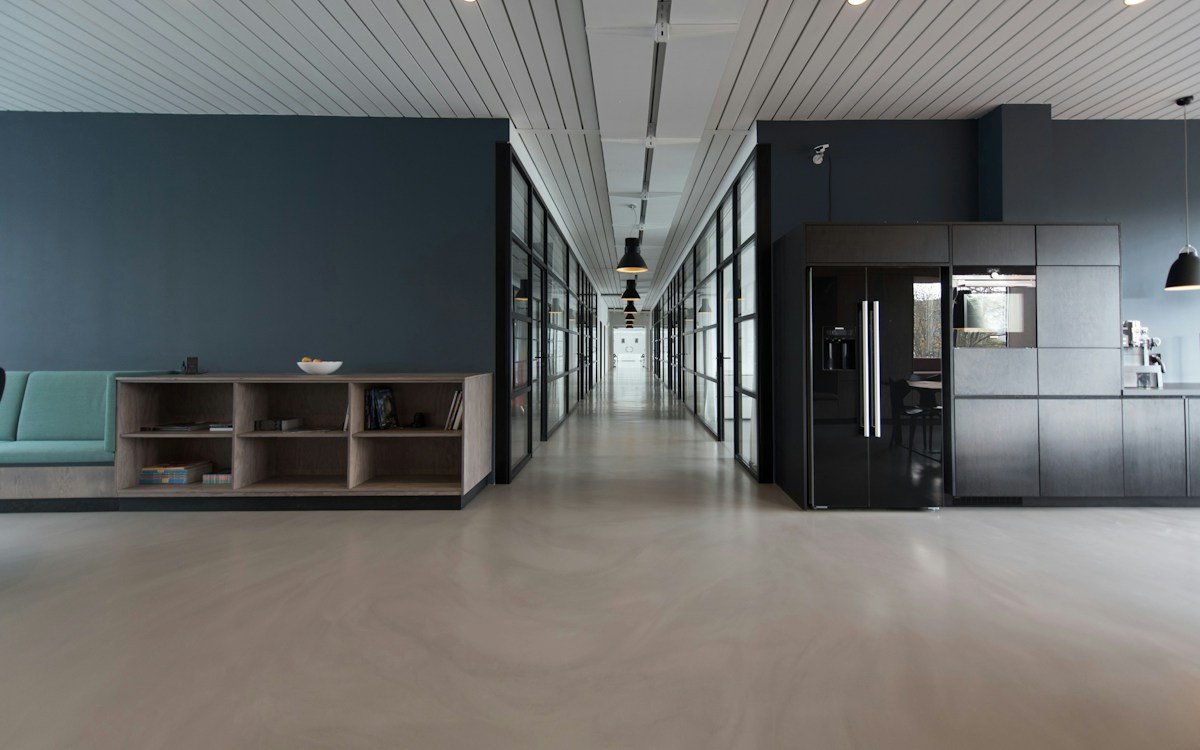
Figure 3: Routine maintenance and high-specification periodic hard floor buffing preserve commercial flooring assets and enhance visitor first impressions.
6. Regular Routine Cleaning vs Commercial Deep Cleaning: Scope, Cost and Interval Differences
A frequent ambiguity in commercial cleaning proposals is the distinction between routine maintenance cleaning and periodic commercial deep cleaning. Failing to delineate these two service tiers in your tender documentation leads to budget overruns or neglected building assets.
| Operational Dimension | Routine Maintenance Cleaning | Periodic Commercial Deep Cleaning |
|---|---|---|
| Primary Operational Goal | Daily presentation, touchpoint sanitisation, active waste management, and continuous hygiene maintenance. | Restorative asset preservation, sub-surface extraction, descaling, high-level dusting, and deep sanitisation. |
| Typical Frequency | Daily (3 to 5 days weekly) or continuous day-janitorial attendance. | Quarterly, biannually, or annually (often scheduled over weekends or bank holidays). |
| Key Tasks Included | Surface dusting, desk wipe-downs, empty recycling bins, washroom cleaning, damp mopping, entrance vacuuming. | Hot water carpet extraction, hard floor strip and seal, high-level duct vacuuming, light fixture washing, grout steam cleaning. |
| Typical UK Cost Structure | Standard contract hourly rate (£18.50 – £24.00/hr) or fixed monthly retainer. | Project rate (£28.00 – £40.00/hr) or unit cost (£1.80 – £3.50 per m² carpet, £4.00 – £7.50 per m² vinyl strip & seal). |
| Machinery Utilized | Commercial upright vacuums, microfibre flat mops, janitorial caddies, spray bottles. | Industrial rotary floor burnishers, steam vaporisation units, injection-extraction carpet machines, sky-reach poles. |
Integrating Periodic Tasks into Annual Contracts
Best practice in facilities procurement is to bundle essential periodic tasks directly into the baseline commercial cleaning quote. Rather than receiving unexpected separate invoices for carpet extraction or window cleaning every six months, request an amortised annual agreement. The contractor calculates the annual cost of two carpet cleans and four internal window washings and spreads the total equally across 12 monthly payments. This stabilizes facilities cash flow and ensures critical maintenance tasks are never forgotten.
7. Washroom Consumables and Machinery Amortisation in Cleaning Quotes
When reviewing commercial cleaning company rates, pay close attention to whether the proposal includes washroom consumables and specialized machinery capital costs, or whether these items are billed separately.
A. Consumables Procurement: Inclusive vs Pass-Through Reimbursable
Every commercial workplace consumes significant volumes of washroom products. In a corporate facility with 100 daily employees, average weekly consumption equals:
- 800 to 1,200 metres of commercial toilet tissue.
- 1,500 to 2,200 single-fold or centre-feed hand towels.
- 2.5 to 4.0 litres of foaming antibacterial hand soap.
- 15 to 25 heavy-duty refuse and recycling sacks.
There are two primary methods contractors handle these items in commercial quotes:
- Pass-Through Wholesale Invoicing (Recommended): The contractor uses their national purchasing leverage with commercial janitorial distributors to purchase bulk consumables at wholesale trade prices, passing the goods to the client at cost plus a small agreed handling fee (usually 5 to 10 percent). Invoices are backed by physical delivery dockets. This guarantees the client only pays for actual building consumption.
- All-Inclusive Fixed Cost: The contractor includes all soap, paper, and bin liners within the fixed monthly contract charge. While administratively simple, contractors often pad this figure by 20 to 30 percent to protect against usage surges, or conversely, install lower-quality single-ply paper products to protect their profit margins.
B. Machinery Depreciation and Asset Investment
High-standard commercial cleaning relies heavily on industrial equipment. A professional commercial cleaning contractor must deploy commercial-grade machinery that complies with British Standard BS EN 60335 and carries valid Portable Appliance Testing (PAT) certification. Typical capital asset commitments include:
- Commercial HEPA Tub Vacuums: £250 to £450 per unit. Essential for capturing fine particulate matter and improving Indoor Air Quality (IAQ) without recirculating dust.
- Rotary Hard Floor Scrubbers / Polishers: £1,200 to £2,400 per unit. Required for deep cleaning tiled reception atriums, vinyl corridors, and stone flooring.
- Walk-Behind Scrubber Driers: £3,500 to £8,500 per unit. Crucial for large logistics centres, communal atriums, and extensive circulation concourses.
In a professional tender quote, machinery capital depreciation is typically amortised over a 24-month to 36-month contract duration (representing approximately £0.40 to £0.80 per operative hour). If a contractor does not budget for equipment maintenance, they will likely arrive on site with worn household vacuums that break down frequently and degrade your carpets.
8. TUPE Regulations in Cleaning Contract Transfers: Legal Obligations & Liabilities
One of the most legally sensitive aspects of commercial cleaning procurement in the United Kingdom is the Transfer of Undertakings (Protection of Employment) Regulations 2006, commonly known as TUPE. Many business owners and property managers mistakenly believe that when they cancel a contract with an underperforming cleaning company, they can simply invite a new contractor to bring in an entirely fresh cleaning team. Under UK employment law, this is rarely permissible.
A. What Is TUPE and When Does It Apply?
Under TUPE regulations, when a commercial enterprise changes service providers for an ongoing activity (known as a Service Provision Change), any cleaning operatives dedicated to that specific contract automatically transfer from the outgoing contractor to the incoming contractor on their existing terms and conditions of employment.
This statutory protection preserves the operative’s:
- Continuous length of service and statutory employment rights.
- Contracted weekly hours and hourly pay rate (even if higher than the incoming contractor’s standard rate).
- Pension entitlements, overtime rates, and enhanced holiday allowances.
- Accrued redundancy entitlements.
B. Employee Liability Information (ELI)
Under Regulation 11 of TUPE, the outgoing cleaning contractor is legally obligated to provide formal Employee Liability Information (ELI) to the incoming contractor at least 28 days prior to the transfer date. Key data points contained in the ELI document include:
- Identity and age of the transferring operatives.
- Written particulars of employment (contracts, standard working hours, hourly wage rates).
- Disciplinary records and formal grievance proceedings initiated within the preceding two years.
- Instances of legal action or tribunal claims brought by the employees against the contractor within the previous two years.
- Collective bargaining agreements in effect.
C. How TUPE Impacts Commercial Cleaning Quotes
TUPE has a direct, tangible impact on commercial cleaning quotes. When inviting tenders, client procurement teams must request anonymised TUPE information from their incumbent contractor and distribute it to all bidding companies. If transferring staff earn £13.50 per hour due to length of service, an incoming contractor cannot quote based on the £11.44 statutory minimum wage. Bidding contractors must price their submissions around the real, transferring wage liabilities.
D. Managing Underperformance Under TUPE
If your primary motivation for tendering is that current cleaning staff are performing poorly, transferring them to the new contractor may sound counterproductive. However, experienced commercial cleaning contractors possess structured performance-turnaround frameworks. In over 80 percent of cases, poor cleaning performance is the result of deficient supervision, inadequate equipment, broken chemical dispensers, or demotivating management from the incumbent contractor. Under the leadership of a proactive contractor offering structured training, digital audit software, and decent equipment, transferring staff frequently become outstanding operational performers.
Figure 4: Equipping cleaning operatives with advanced battery-operated floor scrubbers elevates operational productivity and floor safety.
9. Constructing a Bulletproof Cleaning Tender Specification & RFP Document
The single most effective way to ensure competitive, directly comparable commercial cleaning quotes is to issue a comprehensive Request for Proposal (RFP) supported by a precise Cleaning Specification. When contractors bid against vague instructions such as “keep the office clean and empty bins”, quotes will vary wildly because every estimator invents their own assumptions.
A. Output-Based vs Input-Based Specifications
Modern commercial facilities procurement favours Output-Based Specifications over traditional Input-Based lists:
- Input-Based: Dictates exactly what tasks must be performed and when (e.g. “Vacuum all carpets on Monday, Wednesday, and Friday for 45 minutes”). This restricts the contractor’s flexibility to deploy innovative equipment and creates disputes if the floor looks dirty on Tuesday.
- Output-Based: Defines the measurable standard that must be achieved and maintained at all times (e.g. “All carpeted surfaces shall be visibly free from loose soil, grit, staples, and surface debris, with no spot accumulation exceeding 24 hours”). This holds the contractor accountable for results while empowering them to allocate labour and machinery efficiently.
B. The Essential Architecture of a Commercial Cleaning RFP
When preparing your tender documents, ensure your specification package contains the following ten essential structural components:
- Physical Premises Schedule: Exact square meterage broken down by floor type (carpet tile, commercial vinyl, polished stone, laminate), number of workstations, meeting rooms, executive washrooms, shower facilities, and kitchenettes.
- Building Occupancy Profile: Core operational hours, hybrid working patterns (peak occupancy days versus quiet days), and shift handover timings.
- Mandatory Access Requirements: Security access control protocols, alarm set procedures, key-holding responsibilities, and contractor signing-in procedures.
- Detailed Scope of Work: Daily routines, weekly tasks, monthly deep cleans, and annual periodic interventions categorised by workspace zone.
- Consumables Responsibility Matrix: A clear table identifying who supplies and pays for washroom paper, liquid soap, sanitiser refills, bin liners, and dishwasher tablets.
- Service Level Agreements (SLAs) & Key Performance Indicators (KPIs): Clear benchmarks regarding audit scores, response times for rectification, and supervisor attendance frequency.
- Environmental & Sustainability Standards: Expectations regarding chemical dilution dispensers, plastic waste reduction, microfibre laundering, and ISO 14001 environmental compliance.
- Health & Safety Compliance Requirements: Submission of site-specific Risk Assessments and Method Statements (RAMS), COSHH data sheets, and insurance certificates (£10m minimum liability cover).
- TUPE Staffing Profile: Anonymised staffing schedule detailing transferring employee hours, current wage rates, and lengths of service.
- Commercial Pricing Schedule Template: A standardized pricing table requiring all bidders to break down their costs identically (hourly rate, management fee, consumable markups, periodic task costs).
10. Red Flags and Hidden Traps in Cheap Commercial Cleaning Quotes
In commercial facilities management, selecting the lowest financial bid frequently results in severe operational headaches, property degradation, and rapid contract failure. Procurement teams must remain vigilant against common deceptive pricing practices deployed by disreputable cleaning contractors.
Red Flag 1: The “Ghost Hour” Calculation
A contractor quotes an attractive monthly fee by proposing 4 hours of cleaning per evening. In reality, their operative arrives at 17:30 and departs by 19:15, delivering only 1.75 hours of actual work. Because the contractor does not utilize geo-fenced mobile time-tracking or NFC clock-in systems, the client pays for ghost hours that were never delivered. Always demand time-stamped digital attendance logs as a prerequisite for invoice sign-off.
Red Flag 2: Impossibly High Production Speeds
Some bidding contractors deliberately underestimate the labour required to win the contract on price. An estimator might budget an open-plan office at 700 square metres per hour when the realistic industry benchmark is 380 square metres per hour. On paper, the price looks astonishingly low. On site, the operative is forced to rush through the building, skipping edge vacuuming, ignoring high-level dust, and merely spraying air freshener rather than thoroughly sanitising washrooms.
Red Flag 3: The Low Base / Expensive Add-On Trap
A contractor offers an ultra-low monthly maintenance charge to secure the contract, but excludes essential routine operations such as spot-cleaning carpets, washing internal glass partitions, or descaling washroom urinals. Within three months, the contractor begins submitting exorbitant quotations for every minor supplementary task, quickly driving the total annual spend well above competing full-service bids.
Red Flag 4: Zero Supervisory Infrastructure
High-quality cleaning requires systematic supervisory oversight. Cheap quotes achieve their price point by stripping out area managers and quality auditors entirely. Cleaning operatives are left unsupervised for months on end with no performance audits, no training refreshes, and no quality control until the client becomes frustrated enough to issue formal complaints.
Red Flag 5: Unvetted Labour and Absence of Insurance
To cut labour costs, unethical cleaning firms may hire casual, unvetted workers without conducting thorough Right to Work verification, identity checks, or Disclosure and Barring Service (DBS) screening. In addition, low-budget operators frequently carry minimal insurance coverage with restrictive policy exclusions that leave commercial property owners completely exposed in the event of major machinery water damage, chemical floor bleaching, or fire alarm activations.
11. Service Level Agreements (SLAs), Key Performance Indicators (KPIs) and Audit Scoring
To protect your investment and maintain accountability, every commercial cleaning contract should incorporate a robust Service Level Agreement linked to quantifiable Key Performance Indicators. A transparent SLA eliminates subjective opinions about cleanliness by establishing objective, verifiable scoring criteria.
The 85% Minimum Quality Audit Threshold
Leading commercial cleaning partnerships implement monthly joint inspections conducted by the contractor’s area manager and the client’s facility lead using digital inspection software. Workspaces are categorised into functional zones and audited against standardized criteria:
| Inspection Zone | Specific Quality Audit Checkpoints | Target Standard Score | Rectification Window for Defects |
|---|---|---|---|
| Executive & General Washrooms | Porcelain sanitised; mirrors smear-free; taps descaled; dispensers fully stocked; waste receptacles emptied; floor grouting clean. | 95% Minimum | Within 2 to 4 hours |
| Main Reception & Client Lounges | Glazing crystal clear; barrier matting vacuumed; hard floor buffed; reception desk spotless; soft furniture brushed. | 92% Minimum | Prior to 08:00 next business day |
| Open-Plan Workstations | Desks wiped; computer screens dusted; under-desk carpets vacuumed; waste and recycling bins emptied; dividers dusted. | 88% Minimum | Within 24 hours |
| Kitchenettes & Breakout Lounges | Worktops degreased and sanitised; microwave interiors cleaned; sinks scrubbed; cupboard fronts wiped; flooring damp-mopped. | 90% Minimum | Within 4 hours |
| Corridors, Lifts & Stairwells | Handrails sanitised; lift mirrors polished; threshold plates vacuumed; skirting boards dusted; fire door glass cleaned. | 88% Minimum | Within 24 hours |
Financial Rectification & Service Credit Clauses
To incentivize consistent operational focus, commercial cleaning contracts should include fair, balanced service credit mechanisms. For example, if a monthly audit score falls below 80 percent across two consecutive review periods, or if emergency spillages fail to be rectified within agreed service windows, the client receives an automatic 5 percent credit on the subsequent monthly invoice. Conversely, high-performing contractors achieving audit scores consistently above 95 percent receive contract extension preferences and formal partner commendations.
12. The Commercial Cleaning Procurement Evaluation Matrix
When tender proposals arrive, evaluating commercial cleaning quotes solely on headline price exposes your organisation to significant risk. Best-practice procurement teams apply a balanced scorecard model that weights technical capability, compliance, and staff welfare alongside commercial cost.
| Evaluation Pillar | Recommended Weighting | Critical Verification Criteria to Check |
|---|---|---|
| Commercial Cost & Transparency | 35% – 40% | Transparent hourly wage breakdown; realistic labour hours allocated; fair pricing for ad-hoc periodic services; clear consumable markups. |
| Operational Methodology & Staffing | 25% | Realistic square metre production rates; robust mobile relief cover pool; formal BICSc-aligned training programmes; staff retention metrics. |
| Quality Auditing & Account Governance | 15% | Cloud CAFM audit software; NFC tag verification; dedicated area manager frequency; clearly defined escalation path and SLA credits. |
| Health, Safety & Compliance | 10% | Site-specific RAMS; comprehensive COSHH documentation; £10m Employer and Public Liability Insurance; strict Right to Work auditing. |
| Social Value, Living Wage & Sustainability | 10% | Commitment to Real Living Wage pay; eco-labelled chemical concentrates; circular plastic recycling; carbon-reduction fleet policies. |
By enforcing this weighted evaluation model, facility procurement leads ensure they select a reliable, ethical cleaning partner who will protect their physical assets, keep building occupants satisfied, and deliver sustained commercial excellence.
13. Frequently Asked Questions Regarding Commercial Cleaning Quotes & Rates
To assist facilities managers and procurement directors in navigating cleaning procurement, here are straightforward, practical answers to common questions concerning commercial cleaning rates and contracts in the UK:
How much does commercial office cleaning cost per hour in the UK?
In the UK, commercial cleaning company rates typically range from £18.00 to £24.00 per hour across regional centres such as Nottingham, Derby, and Leicester, and between £22.00 and £29.00 per hour in Central London. This hourly charge covers operative wages, statutory National Insurance, pension contributions, holiday pay, site supervision, commercial cleaning chemicals, insurance, and equipment depreciation.
How are commercial cleaning quotes calculated?
Commercial cleaning quotes are calculated based on the cleanable square footage of the premises, workspace layout, footfall density, and required cleaning frequency. Professional estimators apply British Institute of Cleaning Science (BICSc) production rates (typically 350 to 480 m² per hour for open offices, and 80 to 110 m² per hour for washroom blocks) to determine required weekly hours, multiplying this by the loaded hourly labour rate.
What is the average monthly cost of daily office cleaning for a medium office?
For a medium-sized commercial office (between 3,500 and 7,500 square feet with 35 to 75 employees), daily commercial office cleaning (5 days per week) typically costs between £1,650 and £2,650 plus VAT per calendar month. This includes a team of two operatives working 2 to 3 hours per evening, routine consumables management, and regular supervisory audits.
What is included in a standard commercial cleaning contract?
A standard commercial office clean includes vacuuming carpets, damp-mopping hard floors, sanitising high-touch surfaces (door handles, switches, handrails), dusting desks and workstations, emptying and relining general waste and recycling bins, deep sanitising washroom toilets, urinals, sinks, and mirrors, replenishing soap and paper consumables, and cleaning kitchenette worktops and sinks.
What happens to existing cleaning staff when switching commercial cleaning contractors under TUPE?
Under the Transfer of Undertakings (Protection of Employment) Regulations 2006 (TUPE), cleaning operatives assigned to your premises transfer automatically to the incoming contractor on their existing terms, contracted hours, and hourly pay rates. The incoming contractor assumes management responsibility, provides fresh equipment, uniforms, and training, and conducts quality audits to elevate standards.
Why are some commercial cleaning quotes significantly cheaper than others?
Quotes that appear unusually cheap often achieve their lower price by paying below legal minimum wages, skipping statutory holiday or pension accruals, cutting supervisory hours, relying on unvetted staff without Right to Work checks, or assuming unrealistic square metre production speeds that result in rushed, low-quality cleaning.
Are washroom consumables included in commercial cleaning quotes?
Cleaning contracts can be structured either as all-inclusive or with consumables billed separately as pass-through wholesale items. Most facilities professionals recommend pass-through invoicing, where the contractor leverages trade purchasing power to supply bulk paper, soap, and bin liners at wholesale cost plus a small handling fee, ensuring the client only pays for actual consumption.
How often should commercial office carpets and hard floors be deep cleaned?
High-traffic commercial carpets should receive professional hot water extraction deep cleaning every 6 to 12 months to eliminate sub-surface grit, allergens, and traffic stains. Commercial hard floors (such as vinyl, linoleum, or natural stone) require machine scrubbing, buffing, or stripping and resealing every 6 to 12 months to preserve surface protection and maintain safe slip-resistance ratings.
14. Transparent Commercial Cleaning Partnerships: Secure Your Bespoke Quote with CCSN
Clean, well-maintained commercial facilities enhance brand prestige, foster staff wellbeing, and protect long-term property investments. When procuring commercial cleaning services, partnering with an established, accredited cleaning contractor who prioritises fair wages, transparent pricing, and rigorous supervisory governance is the surest route to lasting operational success.
At Complete Commercial Solutions Network (CCSN), we provide industry-leading commercial cleaning services across Nottingham, Derby, Leicester, and the wider East Midlands. Whether your organisation requires daily evening cleaning for a corporate office, dedicated daytime janitorial support for a multi-tenant business centre, or specialized machine deep cleaning, our experienced team delivers impeccable presentation backed by digital audit verification.
Our commercial cleaning solutions deliver total peace of mind:
- Fully Transparent Pricing: Itemised quotations detailing operative hours, loaded wages, supervisory time, and equipment allocation with zero hidden surcharges. Learn more about our transparent approach on our commercial cleaning pricing guide.
- Dedicated Office Cleaning Excellence: Daily, weekly, and flexible cleaning schedules tailored to your business operations. Explore our dedicated contract office cleaning services.
- Full TUPE Management: Structured employee transitions, respectful staff consultation, comprehensive training refreshes, and immediate performance enhancements.
- Certified Health & Safety Governance: Site-specific RAMS, comprehensive COSHH documentation, and £10m Employers’ and Public Liability Insurance.
- Digital Quality Auditing: Cloud-based CAFM inspection reports and NFC attendance verification accessible directly by your facility management team.
Ready to Benchmark Your Commercial Cleaning Costs?
Contact our commercial facilities specialists today for a confidential, no-obligation site survey and a fully itemised commercial cleaning quotation tailored precisely to your premises.
Request a Free Commercial Quote
Speak with Our Estimating Team