1. Executive Summary: The Commercial Venue Hygiene Standard in the UK
From multi-day trade conferences, corporate exhibitions, and civic award ceremonies to formal galas, product launches, and community celebrations, events represent significant financial investments and critical brand touchpoints for corporate organisations and venue proprietors throughout the United Kingdom. Event venues, historic town halls, modern exhibition centres, and corporate hospitality suites encounter intensive surges of pedestrian footfall concentrated into short, demanding operational windows. Over several hours or consecutive days, hundreds or thousands of attendees move through entrance foyers, registration desks, keynote auditoriums, networking lounges, and washroom facilities.
Without disciplined, planned commercial cleaning operations, high-occupancy event facilities suffer rapid environmental degradation. Overfilled litter bins, slippery beverage spillages on timber dance floors or polished stone tiles, depleted washroom paper products, and scuffed seating undermine attendee comfort and create immediate slip-and-trip hazards under the Health and Safety at Work etc. Act 1974. In addition, commercial venue hiring agreements across Great Britain routinely enforce strict contract hand-back clauses requiring premises to be completely reinstated to their original pristine baseline condition within hours of an event ending.
Specialised commercial event cleaning services in the UK provide the planned operational framework, vetted personnel, and industrial floor cleaning machinery required to manage every phase of venue presentation. Operating across an integrated three-phase methodology: thorough pre-event preparation, live continuous attendant janitorial support, and rapid post-event overnight turnaround, professional event cleaning contractors protect venue assets, preserve attendee safety, and maintain complete compliance with British health and environmental mandates. This comprehensive operational guide covers service level agreement architectures, statutory safety regulations, washroom detailing cycles, specialist floor care, commercial waste segregation, and contract procurement frameworks tailored for UK venue directors and facility managers.
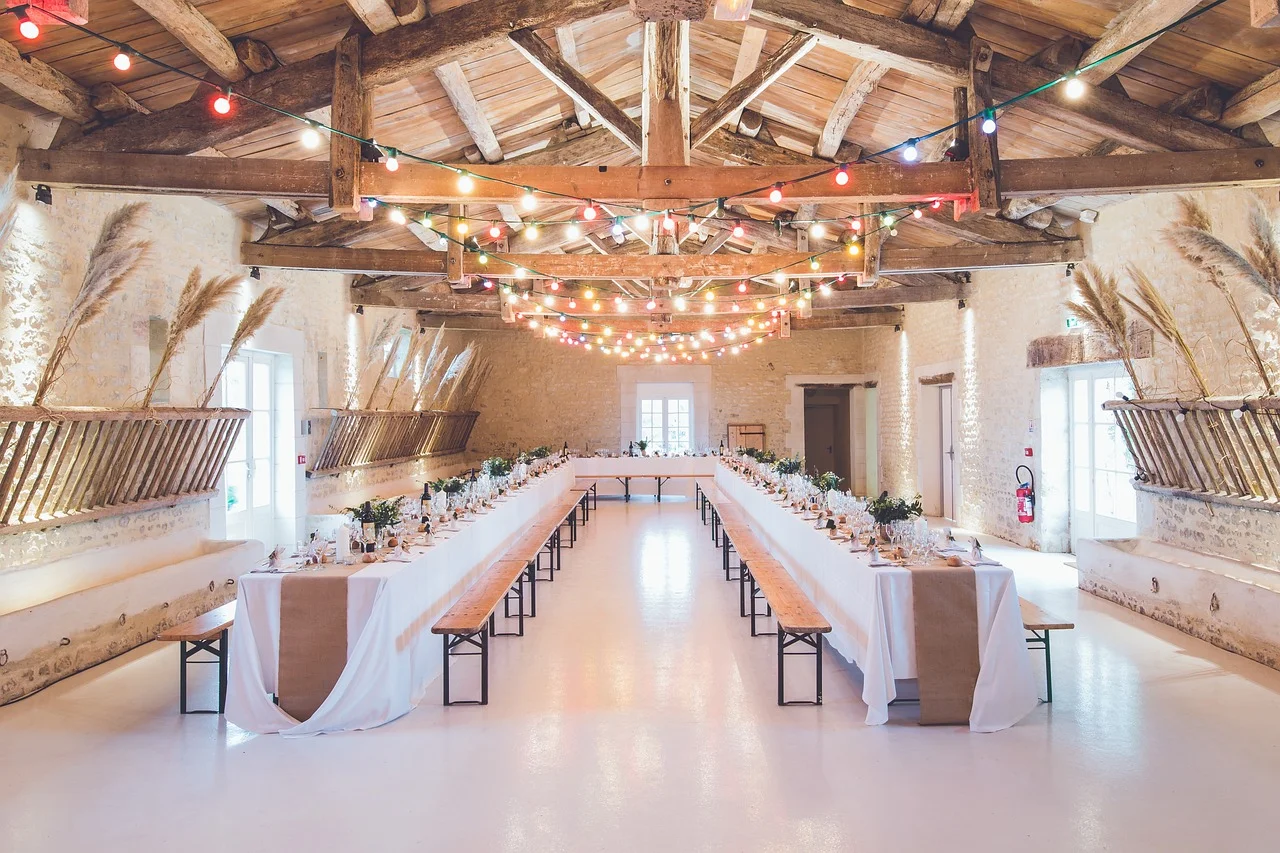
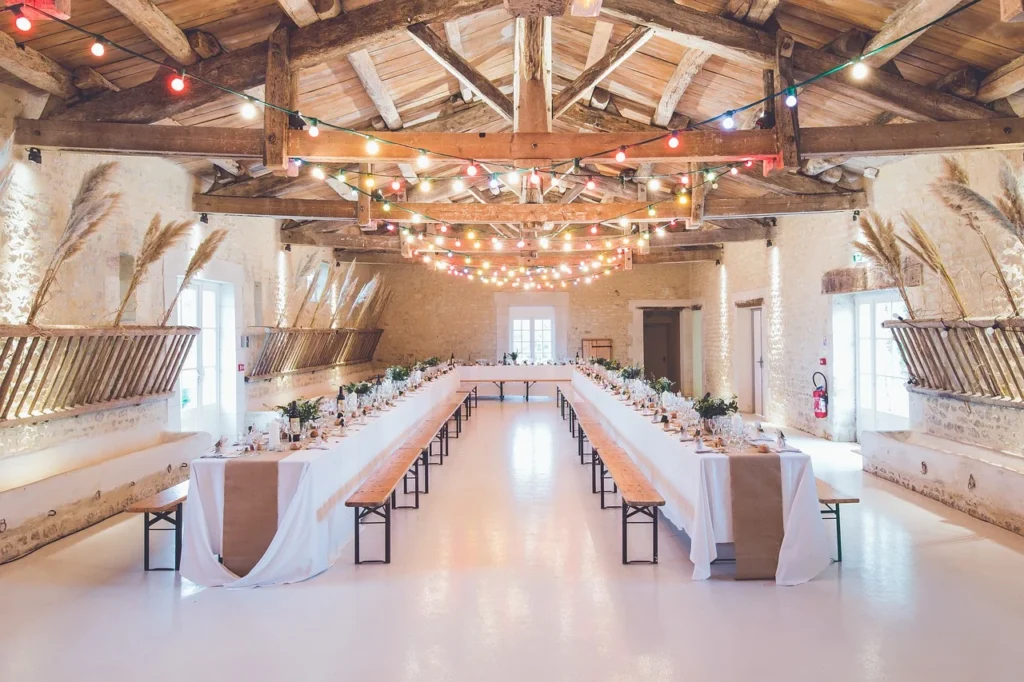
Figure 1: High-specification commercial event and venue cleaning standards across UK exhibition spaces, auditoriums, and corporate suites.
2. Statutory Legal Obligations: Health & Safety, Licensing and Duty of Care
Managing cleanliness in high-capacity public and corporate venues is directly governed by British statutory law. Facility directors, venue licence holders, and event organisers hold joint legal obligations to ensure environmental risks are controlled systematically.
A. Health and Safety at Work etc. Act 1974 & Risk Assessments
Under Section 2 and Section 3 of the Health and Safety at Work etc. Act 1974, duty holders must ensure the health, safety, and welfare of all employees, visitors, contractors, and members of the public using the premises. The Management of Health and Safety at Work Regulations 1999 legally requires a written site-specific Risk Assessment and Method Statement (RAMS) before cleaning operatives commence operations on site. Key operational hazards addressed in commercial event cleaning include:
- Handling Broken Glassware and Sharp Objects: Rapid containment protocols using dedicated puncture-proof disposal caddies, heavy-duty industrial dustpans, and cut-resistant Kevlar-lined gloves to eliminate sharps injuries during live functions.
- Slips, Trips, and Falls: Water, alcohol, and soft drink spillages represent the single largest cause of major public injury claims in UK hospitality and event spaces under HSE statistics. Immediate hazard cordoning, anti-slip signage placement, and flat-mop microfibre drying systems are mandatory operational controls.
- Manual Handling Risks: Safe lifting standards for shifting heavy commercial waste sacks, operating industrial floor scrubbers, and moving banquet furniture, fully conforming to the Manual Handling Operations Regulations 1992.
- Working in Shared Operational Zones: Coordinating cleaning tasks alongside third-party audio-visual technicians, rigging crews, stage carpenters, and catering personnel during busy load-in and de-rig windows.
B. The Occupiers’ Liability Act 1957 and 1984
The Occupiers’ Liability Act imposes a common duty of care on venue owners and tenants to ensure that all visitors are reasonably safe when using the premises for permitted purposes. In the event of a slip-and-fall incident caused by an unattended liquid spillage or trailing power cable from a cleaning machine, courts examine whether the occupier maintained a proactive, documented cleaning inspection regime. Professional cleaning contractors maintain time-stamped digital audit logs verifying routine floor inspections every 15 to 30 minutes, establishing robust documentary defence against public liability claims.
C. The Environmental Protection Act 1990: Section 34 Waste Duty of Care
Corporate events and trade exhibitions produce substantial volumes of mixed refuse, including promotional literature, cardboard packaging, plastic drink cups, wooden display pallets, and food-contaminated packaging. Under Section 34 of the Environmental Protection Act 1990, every commercial enterprise generating waste holds an unbroken legal Duty of Care to ensure waste is stored securely, prevented from escaping into the environment, and transferred exclusively to a registered upper-tier waste carrier licenced by the Environment Agency.
Professional event cleaners operate colour-coded, heavy-gauge waste management streams that segregate dry mixed recyclables from general municipal refuse directly at the point of collection. Cleaning contractors provide formal Waste Transfer Notes (WTNs) specifying European Waste Catalogue (EWC) codes, carrier registration numbers, and certified landfill diversion metrics, ensuring full environmental audit compliance for corporate sustainability reporting.
D. British Standard BS 7976-2: Slip Resistance and Floor Safety
High-traffic circulation routes, marble entrance atriums, and polished timber dance floors must maintain safe surface roughness and slip-resistance ratings. Under the British Standard BS 7976-2 Pendulum Test Value (PTV) framework, commercial walking surfaces must achieve a minimum PTV of 36 or above in both wet and dry conditions to classify as low slip risk. Cleaning operatives use neutral pH (pH 7.0) biocidal floor washes that lift grease and drink residue without depositing slippery surfactant films that diminish the slip-resistance coefficient of venue flooring.
Figure 2: Battery-powered walk-behind scrubber driers preparing high-traffic exhibition hall flooring for immediate low-slip pedestrian access.
3. The Three-Phase Operational Model for Event and Venue Cleaning
Delivering consistent cleanliness across high-occupancy venues requires an organised operational cadence structured around the event timetable. Professional cleaning services operate across three distinct operational phases.
| Operational Phase | Core Cleaning Objectives | Equipment & Materials Deployed | Operational Deliverables |
|---|---|---|---|
| Phase 1: Pre-Event Preparation | Detailed sanitisation, glass polishing, carpet vacuuming, hard floor buffing, full washroom consumable stocking. | HEPA tub vacuums, high-speed rotary burnishers, colour-coded microfibres, neutral floor cleaners. | Pristine baseline handover to event production teams 2 hours prior to guest registration. |
| Phase 2: Live Attendant Support | Continuous washroom sanitisation, immediate spillage response, discrete waste clearance, entrance mat drying. | Mobile janitorial caddies, wet floor hazard signs, bactericidal sanitising sprays, touchpoint wipes. | Zero slip hazards, permanently stocked washrooms, tidy communal break-out lounges. |
| Phase 3: Post-Event Turnaround | Bulk litter segregation, carpet spot extraction, hard floor scrubbing, furniture wipe-down, waste disposal. | Walk-behind scrubber driers, commercial carpet extractors, heavy-duty wheeled refuse carts. | Complete venue reinstatement ready for morning hire or landlord handover inspections. |
A. Phase 1: Pre-Event Deep Cleansing and Baseline Handover
Pre-event preparation establishes the aesthetic standard of the venue prior to guest arrival. When exhibition stand contractors, lighting technicians, and florists complete their staging activities, they inevitably leave behind packing cardboard, fine sawdust, cable cut-offs, adhesive tape residues, and tracked-in road soil. The pre-event cleaning team mobilises in the final hours leading up to guest registration:
- Architectural Glazing Detailing: Double-sided window and glass door cleaning across main entrance vestibules, automatic revolving doors, glass balustrades, and reception screens. High-purity alcohol-based glass formulations remove greasy fingerprints without leaving haze or streaks under bright stage lighting.
- Carpet and Textile Vacuuming: Edge-to-edge vacuuming using commercial upright vacuums fitted with cylindrical agitator brushes and micro-filtration bags to lift deep-seated particulate matter, exhibitor fluff, and fine dust from hospitality carpets.
- Hard Floor Burnishing: High-speed mechanical rotary burnishing on marble, terrazzo, polished concrete, and vinyl surfaces to restore a deep reflective shine while maintaining safe dry slip resistance.
- Washroom Priming: Complete disinfection of sanitary appliances, restocking of commercial luxury foam soaps, replenishment of c-fold or interfold hand towels, and fitting of fresh scented liners across all sanitary and waste bins.
- Touchpoint Disinfection: Systematic sanitisation of handrails, door handles, push plates, registration desk counters, and public lift button consoles using virucidal surface cleaners certified to BS EN 14476 standards.
B. Phase 2: Live Event Janitorial Attendant Support
During the active hours of the event, cleaning shifts into an observant, discreet support mode. Professional cleaning personnel are uniformed, neatly presented, and trained to operate unobtrusively around corporate delegates and VIP guests.
Live attendants carry lightweight mobile janitorial caddies equipped with spray bottles of multi-surface disinfectant, microfibre cloths, absorbent spillage powders, and telescopic dustpans. Key responsibilities during live event hours include:
- Rapid Spillage Neutralisation: Monitoring high-risk spillage zones surrounding hospitality bars, coffee stations, and buffet tables. Liquid spillages are secured with safety warning cones within moments, absorbed with super-absorbent polymer powder or microfibre pads, and mopped completely dry to eliminate slip hazards.
- Continuous Restroom Detailing: Executing structured 15-minute maintenance rotations across all public and backstage restrooms. Attendants wipe water splashes from vanity basins, dry mirrors, polish chrome tap fittings, re-stock toilet tissue, and wipe cubicle door latches.
- Discreet Waste Management: Monitoring public litter receptacles and recycling points in networking areas. Bins reaching 75% capacity are emptied immediately, tied securely, and transferred to rear service corridors away from public view.
- Table and Lounge Refreshment: Clearing discarded drink containers, napkins, and used catering items from occasional lounge tables and breakout seating clusters between keynote speaker sessions.
C. Phase 3: Post-Event Overnight Turnaround and Reinstatement
The post-event turnaround phase represents the most labour-intensive component of venue maintenance. Venues frequently host consecutive bookings, requiring deep cleaning to take place overnight between 22:00 and 06:00 to prepare the facility for the next client or return the building to landlord specifications.
Once attendees have departed and production load-out commences, turnaround cleaning crews execute a top-down operational sequence:
- Bulk Waste Clearance: Systematic sweeps across exhibition halls, main auditoriums, and external perimeters, collecting bulk litter into heavy-gauge 50-micron refuse sacks segregated into dry mixed recycling, cardboard, and general municipal waste.
- Deep Machine Scrubbing: Industrial walk-behind scrubber driers traverse the full floor area. Twin counter-rotating disc brushes apply neutral detergent under mechanical down-pressure to loosen ground-in grime, while powerful rear vacuum squeegees extract contaminated slurry immediately, leaving floors completely clean, dry, and traffic-ready within minutes.
- Carpet Spot Extraction: Treating coffee, red wine, cosmetic, and food spillages on carpets using industrial hot water extraction machinery loaded with targeted protein and tannin spotters.
- Furniture Restoration: Wiping down banquet tables, stacking conference seating according to venue storage regulations, and disinfecting podiums and stage steps.
- Waste Compaction and Final Site Securement: Consolidating commercial waste sacks into external lockable Eurobins or skips, sanitising bin lids, locking service exits, and signing off the handover audit checklist with the venue night duty manager.
4. Zone-by-Zone Operational Protocols: High-Traffic Venue Detailing
Every commercial venue encompasses diverse architectural spaces requiring specialised equipment and customised cleaning chemistries. Professional cleaning plans establish dedicated protocols for each zone.
1. Entrance Foyers, Reception Atriums and Public Circulation Routes
Entrance foyers experience the highest concentration of pedestrian footfall and establish the foundational impression of event quality. In wet weather, attendees transport litres of rainwater and road dirt across entrance floor tiles. Operatives position high-capacity moisture-absorbing barrier matting across threshold zones. Hard floor areas adjoining entrance matting are maintained with continuous dry-dust mopping and damp microfibre flat-mopping using quick-drying neutral detergents. Revolving entrance glass doors and stainless steel kick-plates receive continuous polishing with microfibre cloths to remove handprints and luggage scuffs.
2. Main Exhibition Halls, Conference Auditoriums and Gala Ballrooms
Large clear-span halls and tiered auditoriums present logistical challenges due to high ceiling volumes and dense seating layouts. Cleaning operations follow an organised perimeter-to-centre grid pattern:
- Tiered Auditorium Seating: Cleaning operatives work row-by-row, vacuuming beneath folding theatre seats with backpack vacuum units fitted with flexible crevice tools to capture dropped items, plastic bottles, and paper debris.
- Timber Dance Floors and Staging: Hardwood parquet and sprung dance floors are swept with static-control dust mops to gather fine grit before receiving specialist timber wash down using damp flat mops. Wax-free, residue-free wood formulations preserve polyurethane seals without creating slippery conditions.
- Perimeter Skirting and Wall Surfaces: Low-level walls and baseboards are inspected for scuffs from equipment flight cases, delivery carts, and exhibition display stands, with scuffs removed using non-abrasive melamine foam pads.
3. High-Capacity Washroom Facilities and Sanitary Detailing
Washrooms demand the highest level of hygienic discipline. Inadequate restroom standards generate immediate dissatisfaction among event guests and corporate organisers. Cleaning personnel adhere strictly to the British Institute of Cleaning Science (BICSc) colour-coding code of practice to eliminate biological cross-contamination:
- Red Equipment: Exclusively dedicated to toilet bowls, urinals, sanitary bins, and surrounding floor surfaces. Red microfibre cloths, red mop buckets, and red brush handles are barred from all other surfaces.
- Yellow Equipment: Exclusively assigned to washroom washbasins, vanity mirrors, chrome taps, hand dryers, and tiled splashbacks.
- Blue Equipment: Assigned to general commercial office surfaces, registration desks, and low-risk public touchpoints.
- Biocidal Sanitisation: All sanitary fittings receive broad-spectrum bactericidal and virucidal chemical treatment certified to BS EN 1276 and BS EN 14476 standards, with strict adherence to required chemical contact dwell times of 60 seconds before clean wipe-down.
4. Backstage Hospitality, VIP Green Rooms and Speaker Suites
VIP lounges, artist dressing rooms, and speaker preparation suites require delicate, premium janitorial attention. High-value soft furnishings, delicate display mirrors, and personal refreshment stations must be maintained in pristine condition. Operatives vacuum upholstered sofas, dust dressing table mirrors, clean private en-suite washroom fittings, and empty personal waste bins with total discretion and respect for artist privacy.
5. External Plazas, Designated Smoking Zones and Service Loading Bays
Exterior venue presentation directly impacts the attendee arrival experience. External perimeter teams sweep paved forecourts, clear dropped marketing flyers, and empty wall-mounted cigarette bins into galvanised metal safety buckets. Logistics loading bays are cleared of discarded wooden pallets, shrink-wrap plastic, and packing straps to maintain unobstructed access for emergency fire service vehicles and delivery trucks.
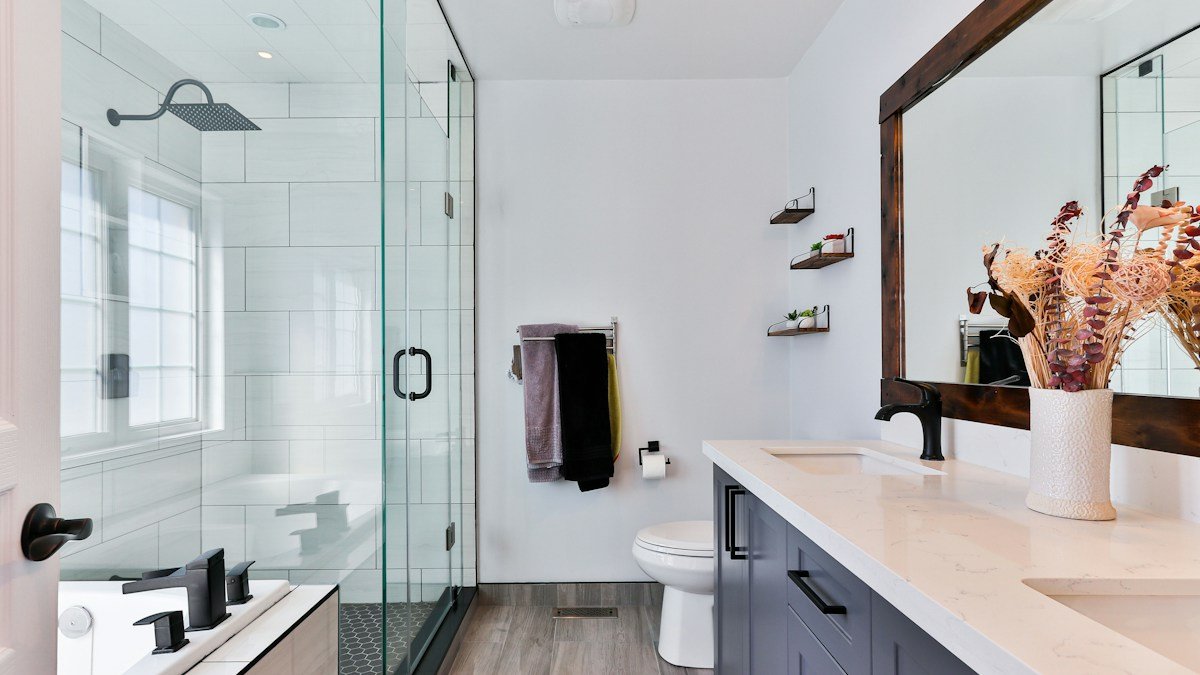
Figure 3: BICSc colour-coded sanitary detailing and virucidal surface disinfection across commercial venue washrooms.
5. Specialist Floor Care, Carpet Spot Extraction and Spillage Management
Flooring represents the most costly physical asset in any commercial venue and is the surface most vulnerable to rapid physical damage during major events. Professional cleaning contractors employ technical floor care systems designed to preserve delicate flooring materials.
A. Commercial Exhibition Carpet Care
Exhibition halls and banquet suites commonly feature heavy-contract nylon loop or cut-pile carpet tiles. During events, carpets suffer from high-density foot traffic, ground-in abrasive soil, food spills, and beverage accidents containing sticky sugars, tannins, and artificial colourings. Professional carpet cleaning utilizes a multi-step restorative process:
- High-Filtration Soil Extraction: Thorough pre-vacuuming with heavy-duty commercial twin-motor upright vacuums to extract dry insoluble soil particles before moisture is applied.
- Targeted Spot Treatment: Applying specialized chemical spotters directly to stubborn stains. Enzymatic spotters are applied to biological residues and dairy spillages, solvent-based spotters lift chewing gum and oily cosmetics, while acidic tannin formulations neutralize coffee, tea, and red wine marks.
- Rotary Agitation: Low-moisture encapsulation agitation using cylindrical brush machines to distribute carpet pre-sprays deep into the pile, lifting matted carpet fibres.
- Hot Water Extraction (HWE): Commercial truck-mount or high-pressure portable hot water extraction machinery injects heated water at 60 degrees Celsius mixed with fiber rinses, immediately vacuuming away dissolved soils with high-airflow dual vacuum motors. Rapid drying fans are deployed to achieve complete dry-time within two hours.
B. Natural Stone, Terrazzo and Polished Concrete Maintenance
Natural stone flooring materials, including marble, granite, and limestone, are porous and sensitive to acidic damage. Carbonated beverages, fruit juices, and wine cause rapid chemical etching if left unaddressed. Turnaround teams wash natural stone using neutral stone detergents that preserve protective penetrative sealers. Periodic diamond polishing pads fitted to rotary floor machines restore surface brilliance without utilizing harsh crystallization chemicals that compromise indoor air quality.
C. Hardwood and Sprung Sports Hall Dance Floors
Civic halls and community event spaces often feature sprung timber flooring designed for dancing and athletic use. Moisture must be controlled meticulously; excessive water causes wood swelling, warping, and seam splitting. Operatives use microfibre flat-mop systems wrung out firmly, applying specialized wood soaps formulated to lift grease without leaving wax residues that create hazardous slippery surfaces for dancers and performers.
6. Commercial Waste Management: Segregation, Landfill Diversion and Duty of Care
Modern event organisers and corporate brands prioritize environmental sustainability and zero-landfill initiatives. Cleaning contractors serve as frontline environmental stewards, managing complex waste streams across the venue lifecycle.
A. Front-of-House Multi-Stream Recycling Stations
Strategic placement of multi-compartment recycling receptacles in networking atriums, registration foyers, and catering halls encourages delegate participation. Professional cleaners continuously monitor these stations to prevent cross-contamination between waste streams:
- Dry Mixed Recycling (DMR): Dedicated clear sacks for clean paper, cardboard brochures, clean aluminium cans, and rigid plastic beverage bottles.
- General Municipal Waste: Dedicated heavy-duty black sacks for non-recyclable packaging, soiled paper napkins, and composite food wrappers.
- Dedicated Glass Collection: Heavy-duty wheeled plastic bins designated solely for empty glass wine, beer, and soft drink bottles, preventing hazardous glass breakages within general waste compactor units.
B. Back-of-House Waste Consolidation and Weight Audits
All waste removed from front-of-house areas is transported via secure service corridors to back-of-house logistics yards. Waste sacks are loaded into commercial 1,100-litre four-wheeled Eurobins or hydraulic static compactors. Commercial waste transfer notes document collection volumes, providing corporate clients with verifiable environmental reports detailing exact recycling percentages and carbon emission offsets for corporate environmental social governance (ESG) reporting.
7. Comprehensive Room-by-Room Venue Quality Audit Checklist
To guarantee that venues pass rigorous post-event hand-back inspections, professional cleaning supervisors execute a formal room-by-room quality audit. The following inspection matrix details specific pass criteria across every commercial zone:
| Inspection Zone | Specific Quality Checks Required | Pass Benchmark Standards |
|---|---|---|
| Main Entrance & Vestibule | Automatic glass doors, threshold metal tracks, entrance barrier mats, registration desks, directory boards. | Glazing 100% streak-free, matting free of trapped grit, threshold tracks vacuumed, desks wiped with anti-static cleaner. |
| Main Auditorium / Hall | Edge-to-edge carpet pile, under-seat voids, stage skirts, hardwood podiums, low-level emergency signage. | Zero visible debris, all beverage stains extracted, stage surfaces dusted, signage clearly illuminated and dust-free. |
| Public Washrooms | Sanitary ware, vanity basins, vanity mirrors, chrome taps, cubicle lock hardware, tile grout lines, floor dryness. | All fittings virucidally disinfected, mirrors polished, zero water puddles, paper and soap dispensers over 85% capacity. |
| Hospitality & Bar Areas | Bar counters, back-bar flooring, under-counter bottle shelving, non-slip rubber duckboard matting, spillage zones. | Surfaces degreased and sanitized, non-slip duckboards pressure-washed, flooring scrubbed free of sticky beverage residues. |
| Backstage & Green Rooms | Vanity dressing tables, illuminated mirrors, en-suite restrooms, private wardrobe hanging rails, soft seating. | Upholstery vacuumed, mirrors polished, en-suites sanitized, personal waste bins lined with fresh clear sacks. |
| External Areas & Loading Bays | Exterior paved plazas, wall-mounted ashtrays, delivery docks, perimeter fire escape routes, waste compound. | Pavements swept clear of litter and cigarette ends, ashtrays emptied, fire routes unobstructed, Eurobins locked securely. |
8. Health & Safety Governance, Chemical Safety (COSHH) and Operational RAMS
Professional cleaning services prioritise rigorous environmental safety compliance across every contract. Operating within complex venue environments alongside technical production crews requires strict adherence to safety frameworks.
A. COSHH Regulations 2002 & Chemical Management
The Control of Substances Hazardous to Health Regulations 2002 (COSHH) dictates how cleaning chemicals are transported, mixed, applied, and stored. In high-traffic public venues, chemical mismanagement can trigger allergic reactions, respiratory irritation among attendees, or physical damage to venue finishes. Professional cleaning contractors enforce strict chemical controls:
- Standardised Dilution Control: Utilizing wall-mounted, tamper-proof dilution dispensing units that automatically meter concentrated chemicals with cold water, eliminating hazardous hand-pouring and improper dilution ratios.
- Comprehensive Safety Data Sheets: Maintaining an active, indexed COSHH technical binder on site containing current 16-point Safety Data Sheets for every product used on the premises.
- Eco-Accredited Chemical Formulations: Prioritizing plant-derived, biodegradable cleaning agents certified under the EU Ecolabel or Nordic Swan standards, ensuring zero volatile organic compound (VOC) emissions that compromise indoor air quality.
B. Personal Protective Equipment (PPE) Standards
Cleaning personnel are equipped with task-appropriate personal protective equipment adhering to British Personal Protective Equipment at Work Regulations 1992. Operatives wear colour-coded puncture-resistant nitrile gloves for chemical wipe-down tasks, heavy-duty gauntlets for waste handling, safety spectacles during chemical dilution, and steel-toecap protective footwear conforming to BS EN ISO 20345 standards during exhibition hall turnaround and de-rig operations.
9. Commercial Cleaning Contract Structures, Pricing Models and Procurement Guidance
When procuring commercial event cleaning services, venue directors and event planners should look for transparent pricing structures and verified performance commitments.
A. Standard Pricing Models in the UK Commercial Cleaning Industry
Cleaning contractors typically offer three primary commercial contracting structures tailored to event duration and operational scale:
- Turnkey Lump-Sum Event Package: A comprehensive fixed-cost contract covering all three phases (pre-clean, live attendant cover, and post-event turnaround) based on projected attendee numbers and floor area. This model provides budget certainty for event planners.
- Hourly Rate per Operative Model: Commonly utilized for multi-day conventions or events with variable scheduling. Commercial hourly rates typically range from 18 to 28 pounds sterling per operative hour depending on shift timing (daytime, evening, or overnight weekend hours).
- Annual Venue Partnership SLA: Tailored for dedicated venue operators, civic halls, and convention centres hosting ongoing calendars of private bookings, providing fixed monthly management fees with scalable operative call-out tariffs.
B. Essential Contractor Procurement Vetting Checklist
Before awarding an event cleaning contract, venue managers should verify the following four institutional credentials:
- Public and Employer Liability Insurance: Minimum cover of 10,000,000 pounds sterling in Public Liability and 10,000,000 pounds sterling in Employer Liability, with explicit policy endorsement covering high-capacity public assembly venues.
- Staff Vetting and Employment Standards: Documented Right to Work verification under Home Office guidelines, full employment contracts adhering to UK Living Wage standards, and Enhanced DBS vetting where venues host schools, youth groups, or vulnerable individuals.
- Accreditations and Professional Memberships: Corporate accreditation under the British Institute of Cleaning Science (BICSc), ISO 9001 (Quality Management), and ISO 14001 (Environmental Management) frameworks.
- Dedicated On-Site Supervision: Provision of a named, experienced cleaning supervisor equipped with direct two-way radio communication connected to the venue control room for instant incident coordination.
10. Frequently Asked Questions: Event & Venue Cleaning in the UK
How many cleaning operatives are required for a 500-delegate corporate event?
Staffing ratios depend on venue layout, catering format, and attendee flow. As an industry benchmark, a 500-delegate corporate conference typically requires a pre-event team of 3 to 4 operatives for baseline preparation, 2 dedicated live attendants (one assigned to continuous washroom monitoring and one dedicated to break-out lounge and spillage response), and a post-event turnaround crew of 4 to 6 operatives to execute complete overnight venue reinstatement.
What happens if a major beverage spillage occurs on a polished timber dance floor during an event?
Live cleaning attendants follow immediate spillage intervention protocols. Within 60 seconds of notification, an attendant places a high-visibility wet floor warning sign at the hazard perimeter, absorbs standing liquids using high-capacity microfibre pads, and cleans the timber surface using damp microfibre flat-mops with quick-drying wood neutralizer to prevent timber swelling and eliminate slip risks.
Can event cleaning teams handle commercial waste disposal and recycling documentation?
Yes. Fully accredited commercial event cleaners provide comprehensive waste management solutions. Waste is segregated at collection into dry mixed recyclables and general waste, compacted into lockable commercial bins, and transferred by licenced waste carriers. The contractor issues formal Waste Transfer Notes documenting legal compliance under Section 34 of the Environmental Protection Act 1990.
How quickly can a commercial cleaning team turn around a large venue between consecutive bookings?
Turnaround teams operate on rapid scheduling. For standard banquet suites and exhibition spaces up to 2,000 square metres, a fully equipped crew of 6 to 8 operatives utilizing industrial scrubber driers, commercial carpet extractors, and mechanized sweepers can complete a full deep clean, washroom restock, and furniture reset within 4 to 6 hours overnight, guaranteeing morning handover readiness.
12. Emergency Spillage Interventions, Biohazard Protocols & Bodily Fluid Control
In high-capacity entertainment, gala, and exhibition venues, emergency spillages extend beyond standard water or carbonated beverage accidents. When public attendance exceeds several hundred individuals, venues inevitably encounter biohazardous incidents, including vomiting, blood contamination from accidental glass cuts, and bodily fluid spillages. Under the Control of Substances Hazardous to Health Regulations 2002 and Health and Safety Executive biohazard guidance, biological fluids represent Category B biological agents carrying potential exposure risks to hepatitis B, norovirus, and bloodborne pathogens.
Commercial event cleaners deploy dedicated Biohazard Emergency Spillage Kits equipped with the following statutory operational components:
- Chlorine-Release Absorbent Granules: Fast-acting sodium dichloroisocyanurate (NaDCC) granules producing 10,000 parts per million (ppm) of available chlorine. When poured directly onto liquid biological spills, the granules gel the fluid into an easily manageable solid mass within 90 seconds while inactivating bacterial and viral loads.
- Specialist Biohazard Personal Protective Equipment: Heavy-duty single-use nitrile gloves, impervious plastic over-aprons, and fluid-resistant surgical face masks fitted with eye visors to protect operatives from accidental droplet splashes.
- Disposable Scoop and Scraper Units: Rigid polypropylene scrapers used to scoop gelled waste directly into heavy-gauge yellow clinical waste bags without hand contact.
- Broad-Spectrum Surface Decontamination: The affected flooring or seating area is washed down with a hospital-grade bactericidal cleaner certified to BS EN 1276, BS EN 13727, and BS EN 14476 standards, with an enforced surface contact dwell time of five minutes before drying.
- Clinical Waste Disposal: Yellow biohazard waste bags are sealed with tamper-evident zip ties, labelled with site origin details, and stored in locked external clinical waste containment units awaiting specialist collection by licenced clinical waste contractors.
13. Acoustic Wall Panelling, Heavy Stage Drapes and Upholstered Seating Deodorisation
Modern civic auditoriums, concert halls, and conference suites feature extensive acoustic panelling, velvet stage drapes, and fabric upholstered seating designed to control acoustic reverberation. These porous textile surfaces readily absorb airborne odours, humidity, dust, and food aromatics during high-density events, leading to stale ambient atmospheres if not treated correctly.
Traditional liquid detergents cannot be applied to fire-retardant velvet drapes or acoustic fabric wall panels without destroying statutory flame-retardant chemical coatings complying with British Standard BS 5867-2 (Fabrics for curtains, drapes and window blinds). Cleaning operatives utilize specialized dry maintenance protocols:
- Static High-Airflow Textile Brushing: Soft-bristled horsehair brush attachments fitted to commercial backpack vacuum units gently extract settled dust from pleated stage curtains and fabric wall tiles without snagging delicate decorative weaves.
- Enzymatic Odour Encapsulation: Application of micro-fine non-wetting aerosol deodorising mists formulated with zinc ricinoleate and natural enzymatic odour eliminators. Unlike perfume masking sprays that temporarily cover smells, enzymatic mists chemically bond with odour-causing volatile organic compounds, breaking them down at a molecular level without dampening underlying fabrics.
- Upholstered Seat Extraction: Banquet and auditorium seating fabrics receive low-moisture extraction using specialist hand tools with internal spray jets. Water delivery is restricted to a fine 50-micron spray immediately recovered by high-vacuum extraction, ensuring fabric backing foam remains dry and preventing mildew growth or water rings.
14. Pre-Event Exhibitor Move-In Logistics and Contractor Debris Management
During the setup and move-in days preceding major trade exhibitions, consumer fairs, and corporate product showcases, event halls function as active industrial work zones. Stand construction contractors, electrical engineers, telecommunications technicians, and exhibition stand builders generate significant structural waste across hall aisles.
Commercial event cleaners operate a dedicated Exhibitor Logistics Cleaning Service during build days:
- Continuous Aisle Sweeping: Mobile operatives operate heavy-duty manual push sweepers and static dust mops continuously across main transportation avenues, removing dropped screws, wire off-cuts, timber splinters, and packing strapping that could puncture forklift tyres or cause trip hazards for riggers.
- Adhesive Tape Residue Removal: Exhibitors frequently secure temporary carpet tiles and electrical cabling to venue flooring using heavy-duty double-sided cloth tape or gaffer tape. When pulled up, adhesive residues attract dirt and leave black, sticky scars on concrete and timber floors. Operatives use citrus-based organic solvent spotters applied with scrapers to dissolve adhesive tack without damaging underlying epoxy or polyurethane floor sealers.
- Packaging Cardboard Baling and Consolidation: Discarded cardboard flat-packs are collected from exhibition booths, compacted into mobile roll cages, and fed into venue baling machines to maximize recycling volumes and keep emergency exit corridors completely clear under fire safety guidelines.
- Loading Dock Traffic Flow and Yard Sweeping: Exterior service yards and vehicle loading bays experience continuous vehicle movements from articulated lorries and courier vans. Dedicated exterior cleaning operatives sweep loading aprons every two hours to remove plastic strapping bands and broken pallet wood, ensuring level delivery access and preventing pedestrian vehicle collisions under Workplace (Health, Safety and Welfare) Regulations 1992.
15. The Role of Digital Audit Software and Real-Time Service Verification
Modern venue operations demand transparent, verifiable proof of service delivery. Leading commercial cleaning providers deploy mobile computer-aided facilities management (CAFM) applications and near-field communication (NFC) check-in tags mounted at critical venue inspection points.
Cleaning supervisors scan encrypted NFC discs situated in washrooms, VIP suites, and fire exit corridors using handheld mobile devices as each cleaning cycle concludes. This digital logging captures precise timestamps, operative identification numbers, and photographic evidence of completed tasks. Venue general managers can review live cloud dashboards from their smartphones, receiving instant confirmation that all pre-event sanitisation, live attendant rotations, and overnight turnaround benchmarks have been achieved ahead of schedule.
11. Professional Commercial Event and Venue Cleaning Services by CCSN
CCSN delivers dependable, accredited event cleaning services and venue cleaning across Nottingham, Derby, Leicester, Loughborough, and surrounding commercial centres across the East Midlands. Backed by vetted janitorial personnel, advanced mechanical floor scrubbing systems, and comprehensive 10,000,000 pound public liability protection, our teams maintain historic civic halls, modern exhibition arenas, conference centres, and corporate hospitality venues with meticulous care.
Explore our full range of specialised commercial cleaning capabilities:
- Learn more about our dedicated Event Hall & Venue Cleaning Services.
- Discover workplace hygiene programmes on our Commercial Office Cleaning Services page.
- For transparent commercial cleaning prices and customized event agreements, visit our Free Cleaning Quote Portal or consult directly with our operations team via our Contact Us Page.