Commercial floor stripping and waxing (also called stripping and sealing) restores dull, yellowed, and scuffed resilient hard floors across corporate offices, healthcare facilities, schools, and retail units. Vinyl composition tile (VCT), sheet linoleum, and safety flooring carry heavy foot traffic, castor wheel friction, and chemical spills every day. Over twelve to eighteen months, factory-applied finishes and surface acrylic polishes break down, embedding dark grime into porous sub-layers that daily mopping cannot lift.
Applying fresh polish over soiled, degraded layers creates a muddy, discoloured film. Complete restorative maintenance requires stripping away old wax emulsions down to the bare substrate, neutralising residual alkalinity, and applying multiple high-solids polymer seal coats. This process extends flooring longevity by years and prevents expensive premature floor replacements.
The Five Stages of Professional Commercial Floor Stripping
Successful hard floor restoration demands precision chemistry, correct pad selection, and strict dwell times. Rushing any step results in poor adhesion, bubbling, or permanent substrate damage.
Stage 1: Surface Preparation and Perimeter Masking
Technicians clear all movable furniture, computer chairs, and waste bins from the work zone. Edge skirtings, wooden frames, and electrical floor boxes are masked with protective tape. The entire floor is thoroughly swept and vacuumed with commercial HEPA equipment to remove loose grit, staples, and loose debris before chemical application.
Stage 2: Alkaline Stripper Application and Dwell Time
An aggressive, low-odour commercial stripping solution is mixed with cold water according to manufacturer dilution ratios. Hot water is strictly avoided because it accelerates solvent evaporation and produces hazardous vapours. The stripping solution is laid down evenly using dedicated cotton mops. It dwells on the floor for ten to fifteen minutes, liquefying embedded polymer chains and old acrylic wax without allowing the slurry to dry out.
Stage 3: Mechanical Rotary Agitation
A heavy, low-speed rotary floor machine (175 to 300 RPM) fitted with coarse abrasive pads (black for durable vinyl or green for sensitive linoleum) scrubs the surface. The machine emulsifies old seal coats into a thick suspension. Operatives use handheld doodlebug scouring pads along edges, corners, and under radiators where rotary machines cannot reach.
Stage 4: Wet Vacuum Slurry Extraction and Acidic Neutralisation
A high-capacity industrial wet pick-up vacuum extracts the liquefied slurry immediately. Leaving stripping slurry on the floor causes re-bonding within minutes. The floor is then rinsed twice using clean, cold water mixed with a mild acidic neutraliser. Rinsing returns the floor surface pH to a neutral range of 7.0 to 7.5. Skipping this step leaves alkaline residues that ruin new polish adhesion.
Stage 5: High-Solids Polymer Seal and Polish Application
Once completely dry and pH verified, technicians apply thin, uniform coats of a premium 20 to 25 percent solids cross-linked acrylic emulsion. Each coat requires thirty to forty-five minutes of dry time before the next layer is applied. A standard specification includes two foundational primer-seal coats followed by two to three high-gloss protective topcoats.
Substrate Guide: Flooring Types and Stripping Chemistry
Different commercial floor coverings have distinct tolerances. Using high-pH stripper on real linoleum destroys natural linseed binders, while abrasive black pads scratch safety flooring aggregate. See our full commercial cleaning pricing guide to assess restorative floor maintenance rates.
| Floor Substrate | Stripper Chemistry | Recommended Pad | Target Seal Layers | Stripping Cycle |
|---|---|---|---|---|
| Vinyl Composition (VCT) | Standard alkaline (pH 11 to 13) | Black or brown aggressive pad | 2 base seals + 3 topcoats | Every 12 to 18 months |
| Linoleum / Marmoleum | Linosafe neutral pH (under 10.0) | Green scrub or blue pad | 2 linoleum primers + 2 seals | Every 18 to 24 months |
| Commercial Safety Flooring (Altro) | Alkaline degreasing deep scrub | Cylindrical bristle brush | No polish (preserves slip rating) | Quarterly deep scrub |
| Terrazzo & Honed Stone | Solvent-free mild alkaline | Diamond impregnated resin pads | Penetrating impregnating seal | Every 2 to 3 years |
Ongoing Maintenance: Extending the Life of Stripped Floors
Stripping is an intensive, restorative procedure. Implementing an ongoing interim maintenance schedule delays the need for full stripping cycles and keeps floors gleaming continuously:
- Daily Damp Mopping with Neutral Cleaners: Using harsh general detergents gradually dissolves acrylic polish. Operatives use neutral pH 7.0 floor maintainers that clean without stripping surface shine.
- High-Speed Machine Burnishing: Running ultra-high-speed machines (1500 to 2000 RPM) fitted with natural hog-hair or white thermal pads heats and fuses the top microscopic polish layer. This repairs scuffs and produces a deep wet-look shine without chemical reapplications.
- Quarterly Scrub and Recoat: Instead of stripping down to bare tile every year, technicians perform a top-scrub using a blue pad to remove the top soiled coat, followed by applying one fresh layer of polymer seal. This maintains brilliant gloss indefinitely.
- Effective Barrier Matting: Up to 85 percent of interior floor soil enters through building entrances. Maintaining clean external scraper mats and internal moisture-absorbent mats cuts abrasive grit wear dramatically. For facilities with mixed flooring, pair this with our commercial carpet cleaning guide to protect adjoining carpet tiles.
Commercial Facilities That Need Routine Hard Floor Care
We deliver floor stripping and sealing services across corporate, industrial, and institutional premises across Nottingham, Derby, and our wider commercial cleaning contracts in Leicester:
- Healthcare Practices & GP Surgeries: Sealed vinyl floors satisfy Care Quality Commission (CQC) infection control mandates by eliminating porous seams where pathogens hide.
- Schools and Universities: Heavy footfall during term time takes a severe toll on classroom and corridor vinyl. We execute intensive stripping programmes during half-term and summer holiday breaks.
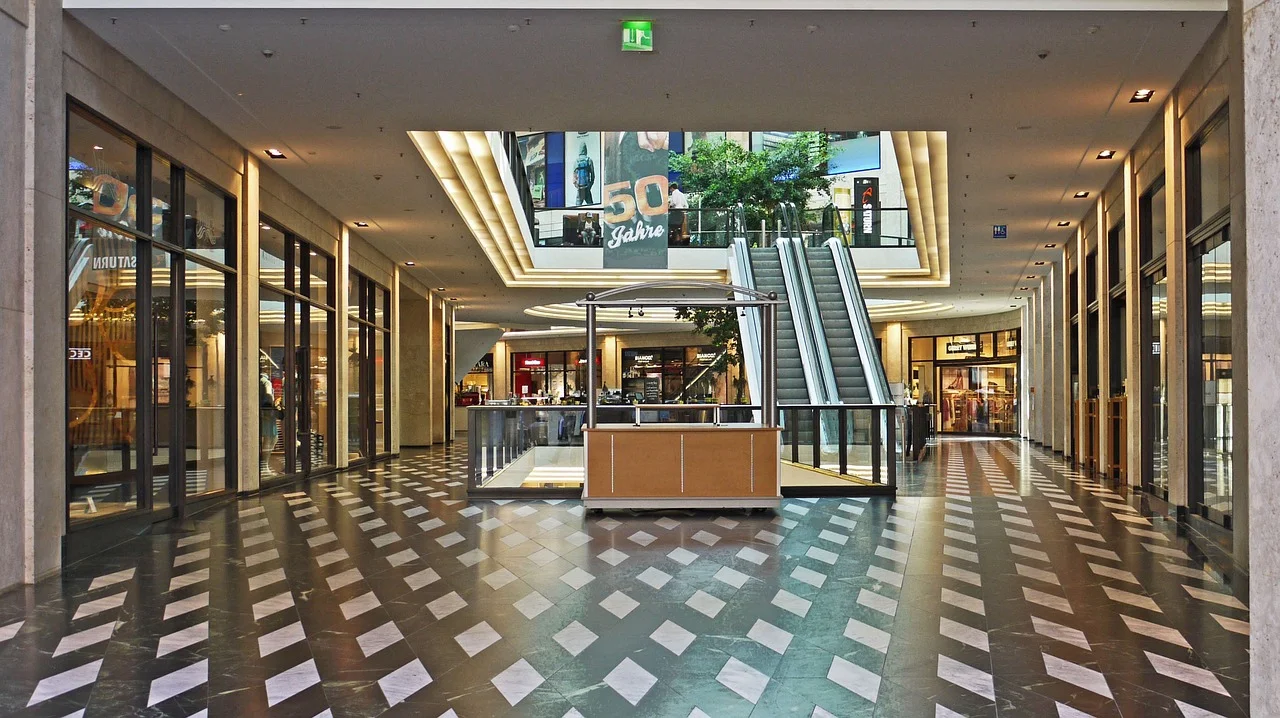
- Commercial Offices and Showrooms: Lustrous, mirror-finish reception floors create an instant positive impression for visiting clients and corporate partners.
- Food Production and Laboratories: Chemical-resistant polymer finishes safeguard floor substrates against spills, grease, and acidic cleaning solutions.
Book a Hard Floor Restoration Survey:
Our technical flooring specialists evaluate your floor substrate, assess wear depth, and provide a competitive, transparent quote.
Operations Desk: 0800 246 1957
Book online: Request Free Survey & Quote
Frequently Asked Questions
How long does commercial floor stripping and sealing take?
A standard 200 square metre open office area takes roughly six to eight hours to strip, neutralise, dry, and apply four coats of polish. The floor can take light foot traffic after four hours and heavy furniture loading after twelve to twenty-four hours of curing.
Can you strip floors over the weekend to prevent business downtime?
Yes. Our commercial teams operate 24 hours a day, 7 days a week. We regularly start stripping operations on Friday evenings or Saturday mornings so your team returns to fully cured, sparkling floors on Monday.
Will stripping damage Altro safety flooring?
No, provided specialist techniques are used. Traditional abrasive black pads and high-gloss sealants should never be applied to safety flooring because they fill slip-resistant granules and destroy pendulum slip test ratings. We employ cylindrical scrubbing machines and deep degreasers designed specifically for safety vinyl.
Are your stripping chemicals safe and low-odour?
Yes. We use low-odour, ammonia-free stripping formulations compliant with UK COSHH standards, ensuring minimal odour disruption for adjacent staff or residents.